Custom Soft Starter Cabinets: Built-in Bypass, Mobile Remote, and ODM Solutions
Industrial plants don't buy a soft starter cabinet because the phrase sounds good on a datasheet. They buy it because starts are where problems show up: voltage sag that upsets other loads, mechanical shock that shortens belt and coupling life, or repeated trips that turn a five‑minute restart into a maintenance ticket. A custom soft starter cabinet is less about “a box with a starter” and more about controlling risk—electrical, mechanical, and operational—while keeping the solution simple enough to service for years.
Built-in bypass: the feature that's really about heat and uptime
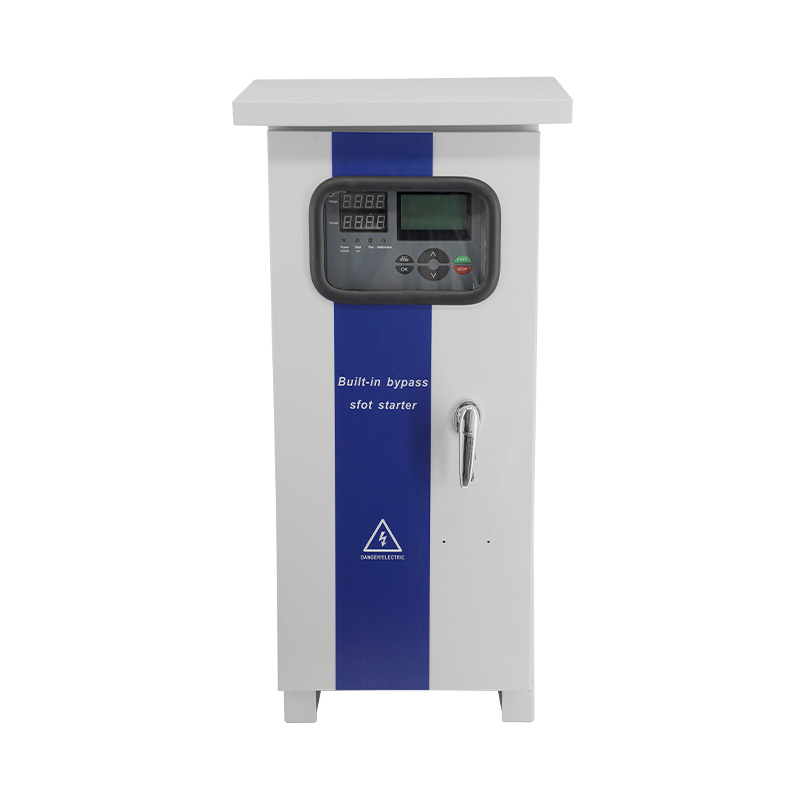
A built-in bypass soft starter cabinet uses the soft starter during acceleration, then transfers the motor to a bypass contactor once it reaches full speed. On paper, that sounds like a wiring detail. In daily operation, it's often the difference between a cabinet that runs comfortably and one that lives on the edge of thermal trips.
Why bypass matters in the real world:
- Lower continuous heat inside the panel. After the motor is up to speed, power losses in the starter section can be avoided, which helps when the cabinet is installed in warm electrical rooms or dusty industrial areas where filters clog faster than anyone likes to admit.
- Improved long-term stability for fixed-speed processes. Many applications—centrifugal pumps, blowers, mixers, compressors, conveyors—run at a constant speed once started. For these, bypass designs are a common choice because they focus the electronics on the start event, then let the motor run on line power.
- Service behavior is simpler. Plants that prioritize maintainability often prefer solutions that don't keep power electronics under constant load when speed control isn't required.
Bypass is not a magic wand. If the motor starts under heavy load, or if the supply is weak, the cabinet still needs correct sizing and settings. But bypass can widen the safety margin and reduce "mystery" thermal alarms that show up months after commissioning.
Common selection note (often missed in RFQs): motor kW/HP alone is rarely enough. Provide motor FLA, start frequency, load inertia, and ambient conditions. Those inputs drive thermal derating and determine whether the start profile should favor torque, current limiting, or a longer ramp.
Mobile remote control: small option, big impact on workflow and safety
Remote control is sometimes treated as a convenience feature. In practice, it's frequently requested for very practical reasons: the cabinet is in a restricted electrical room, the operator needs to be near the driven equipment during testing, or plant rules require personnel to keep distance during initial starts.
A mobile remote (or remote pendant/handheld control, depending on the project language) can make commissioning and troubleshooting more predictable:
- Commissioning a pump or fan becomes faster. One technician can be at the skid or valve position while controlling start/stop without shouting over a radio and guessing timing.
- Fewer unnecessary door openings. Plants that care about reducing exposure time around energized equipment often appreciate controls that keep routine actions outside the cabinet.
- Better coordination during mechanical checks. For conveyors, mixers, or coupled loads, the ability to start/stop while observing the equipment can prevent repeated “start—trip—reset” cycles.
The best remote implementations are boring—in a good way. They're clear, robust, and hard to misuse. If you're specifying this feature, it's worth stating expectations early: permissives, E‑stop behavior, selector switch priority (local/remote), cable length or wireless rules (many sites restrict wireless), and what feedback the operator must see (run, fault, bypass, ready).
When a custom soft starter cabinet is the right tool (and when it isn't)
In Western markets, one of the most common search comparisons is soft starter vs VFD. The cleanest way to decide is to separate the “start problem” from the “process problem.”
A soft starter cabinet is usually the right fit when:
- the motor runs at fixed speed after starting
- the pain point is inrush current, voltage dip, or mechanical shock at start
- simplicity and maintainability are top priorities
- you want a cost-effective improvement without adding speed-control complexity
A VFD is usually the better fit when:
- speed control is part of the process (flow control, pressure control, throughput)
- energy savings from variable speed are a major target (common on pumps and fans)
- the application needs controlled torque across a wide speed range
For many plants, the "right answer" is mixed: soft starters for fixed-speed equipment and drives where speed control actually earns its keep.
What to include in your RFQ (so the cabinet performs as expected)
If you want quotes that reflect real performance rather than "a cabinet that is roughly the right size," include these items:
- Motor details: kW/HP, FLA, duty class, service factor (if applicable)
- Supply: voltage, frequency, available fault level (if known), cable length concerns
- Load: pump/fan/conveyor/compressor/mixer; loaded vs unloaded start; inertia notes
- Start profile expectations: start time window, current limit preferences, soft stop needs
- Operating pattern: starts per hour/day, ambient temperature, ventilation constraints
- Controls: local/remote requirements, PLC interface, interlocks, status and alarm outputs
- Mechanical/environmental: enclosure rating expectations, dust/humidity, installation location
- Acceptance: FAT scope, test records, and required documentation deliverables
These details help the manufacturer set the starter correctly, choose protection sensibly, and design the panel layout for safe service access. They also reduce the "change order" churn that shows up when a cabinet arrives on site and the integrator finds missing signals or mismatched control voltage.
A cabinet can be tailored without becoming a "special case" for the maintenance team. The best industrial motor control cabinets feel familiar on day one: clear device tags, logical interlocks, consistent wire numbering, and a start profile that fits the driven load instead of creating new headaches.
When the goal is a cleaner start—lower electrical stress, less mechanical shock, fewer nuisance trips—without the extra layer of speed control, a built-in bypass soft starter cabinet is often the most practical route. Add a mobile remote when commissioning or routine checks benefit from controlling start/stop at a safer or more convenient position, especially on pumps, fans, conveyors, and packaged skids.
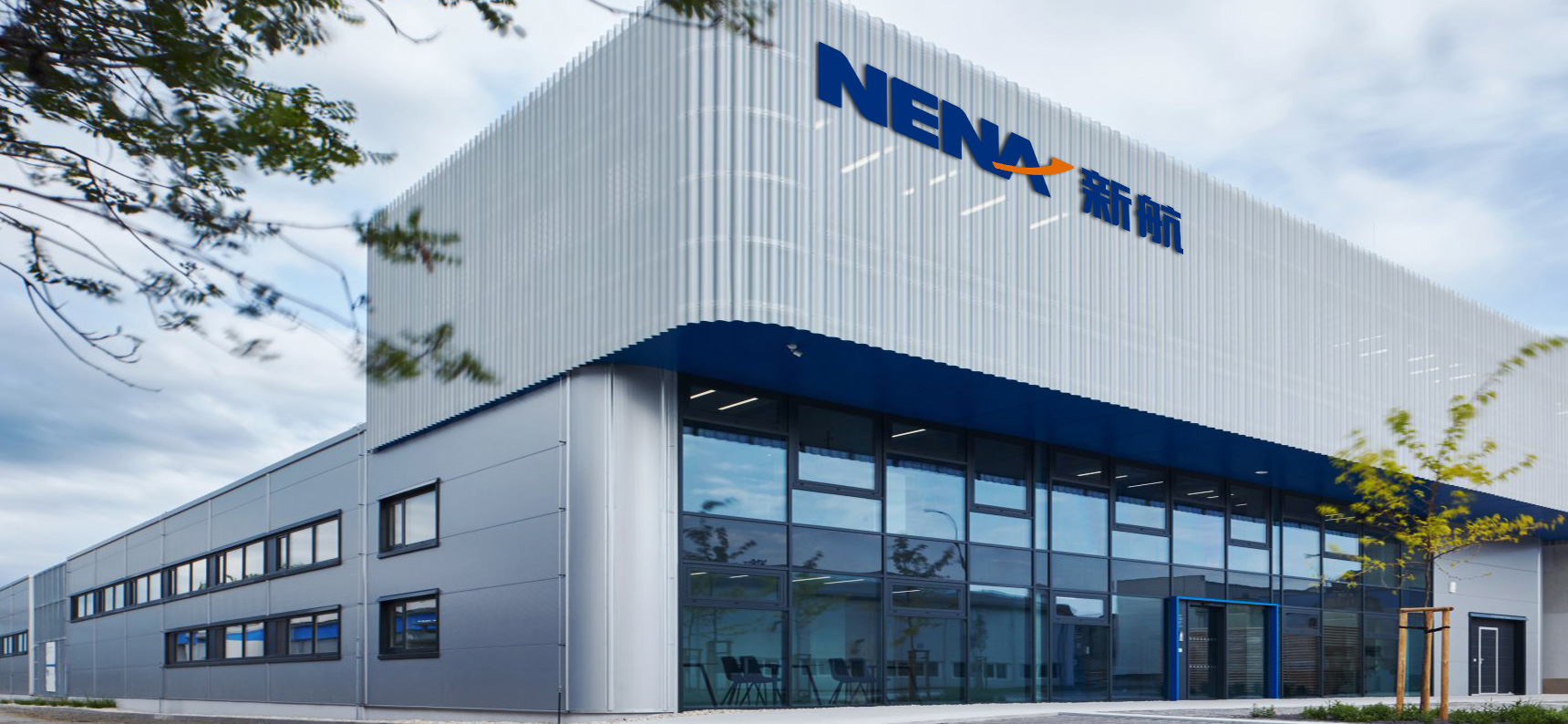
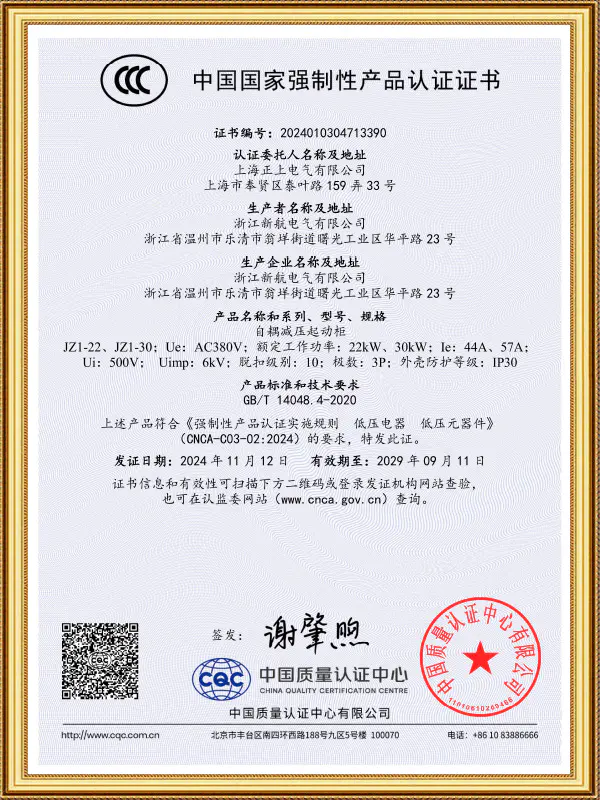
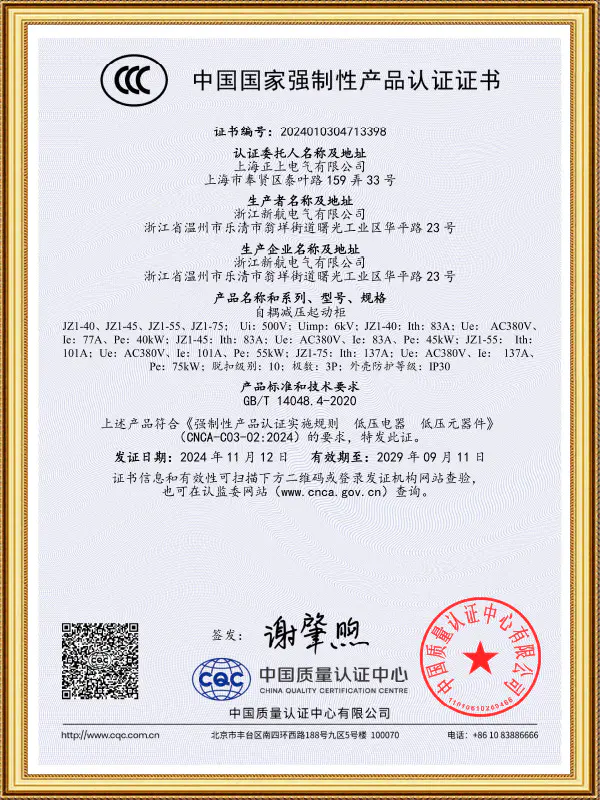
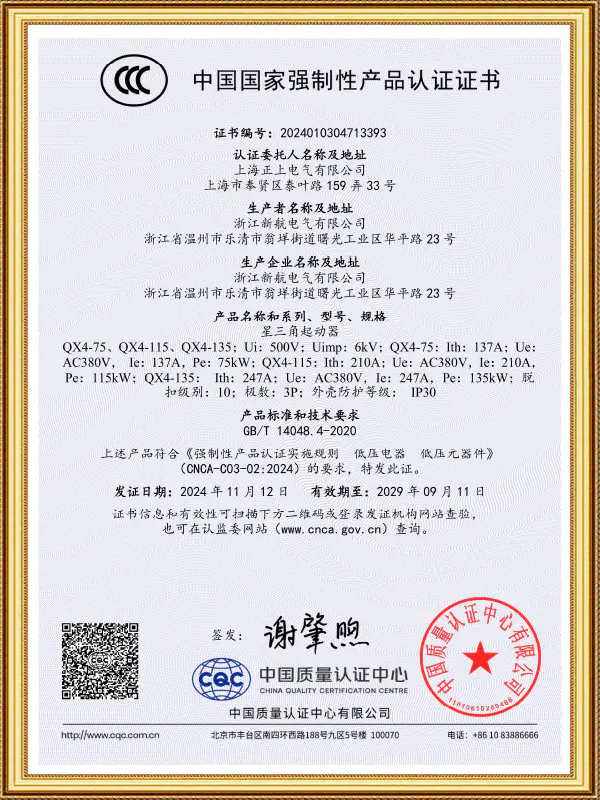
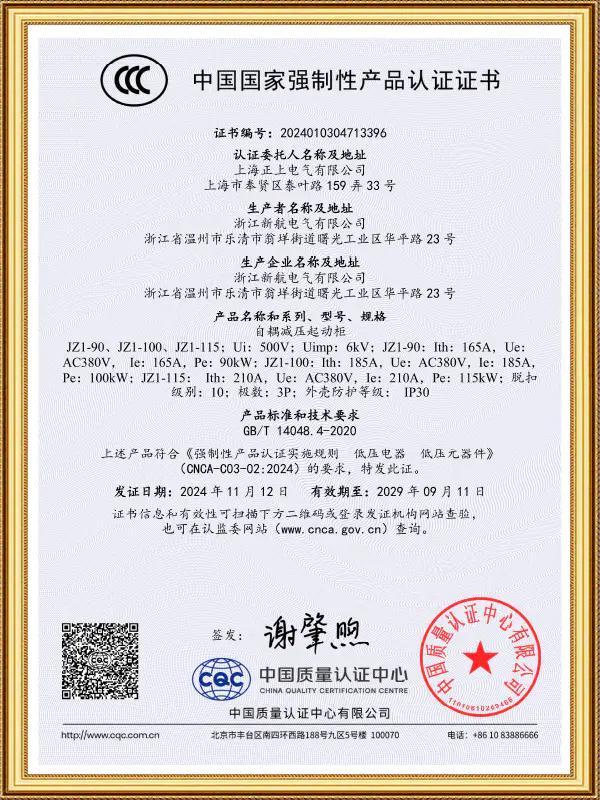
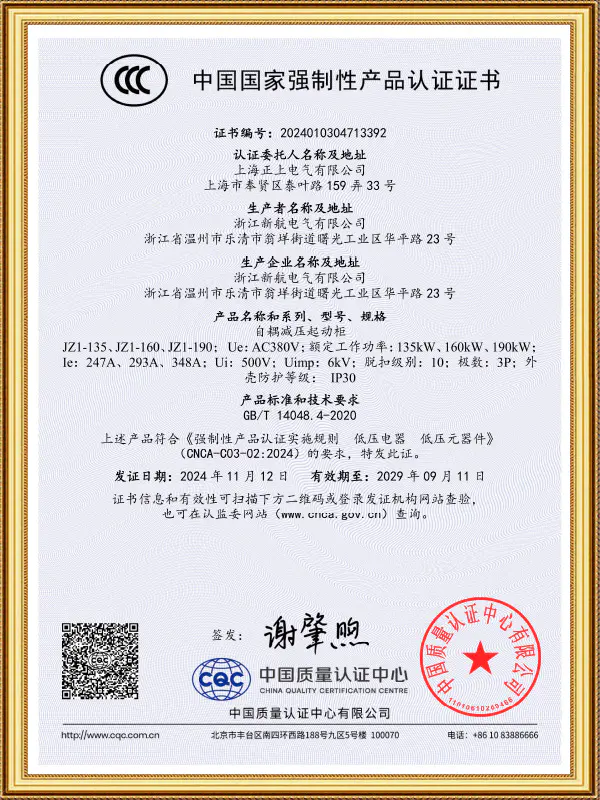
For distributors and project teams that need the same panel to work the same way across multiple sites, ODM standardization is the real value: consistent layout, repeatable drawings and labeling, agreed component selections, and packaging that's ready for export handling. That's exactly how Zhejiang Xinhang Electric Co., Ltd. approaches OEM/ODM production—building Mobile Remote Soft Starter Cabinets with built-in bypass as an engineered, repeatable product line rather than a one-off panel, so end users get predictable operation and straightforward maintenance wherever the cabinet is installed.



 English
 中文简体
中文简体 عربى
عربى






 浙公网安备33038202003754号