Modern electrical systems are more connected. Load patterns are hard to predict. Because of this, smart load control is now a practical need. It is not just an extra feature. When an IoT Circuit Breaker is used with an External Bypass Soft Starter, operators can see and manage load behavior clearly. They see data from start-up and from normal running. They do not need to rely only on fixed ratings or manual checks. Real operating data helps them make daily decisions. These decisions are about load sharing, responding to faults, and planning energy use.

What Smart Load Control Means Today
Smart load control means watching, judging, and changing electrical loads based on real conditions. Old systems often use fixed limits and checks done sometimes. These may not show daily changes in demand.
An IoT Circuit Breaker watches current, voltage, and power use all the time. This data shows a clear picture. It shows how loads change over time. This includes busy times, quiet times, and times of change. When motors are in the system, this visibility is very important. This is especially true for motors started with an External Bypass Soft Starter. Electrical behavior is very different between start-up and long-term running.
Seeing the difference between these phases makes smart load control more accurate. It fits real use better.
Watching Loads with External Bypass Soft Starter Operation
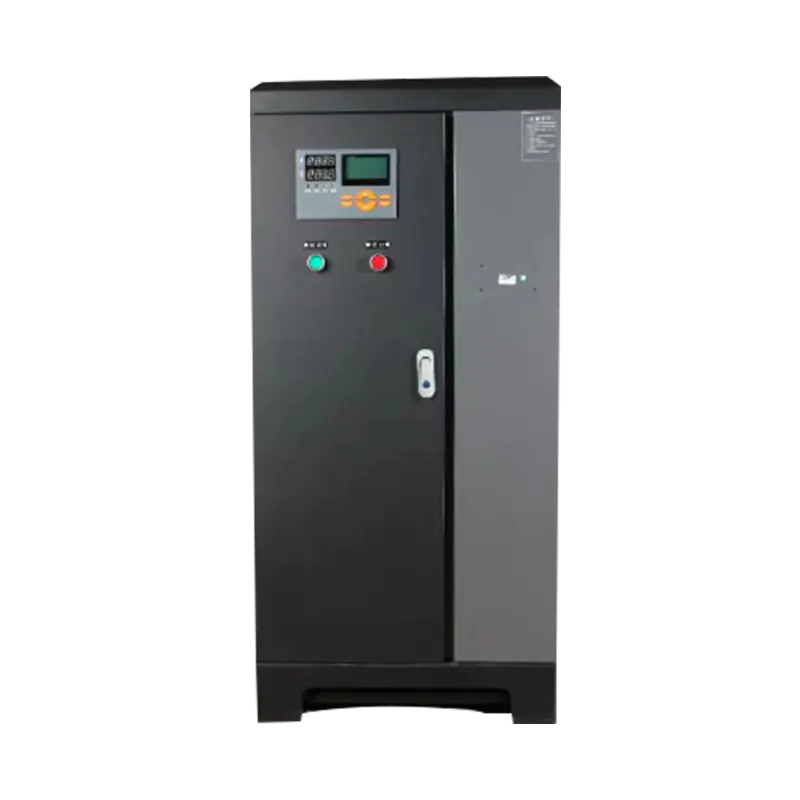
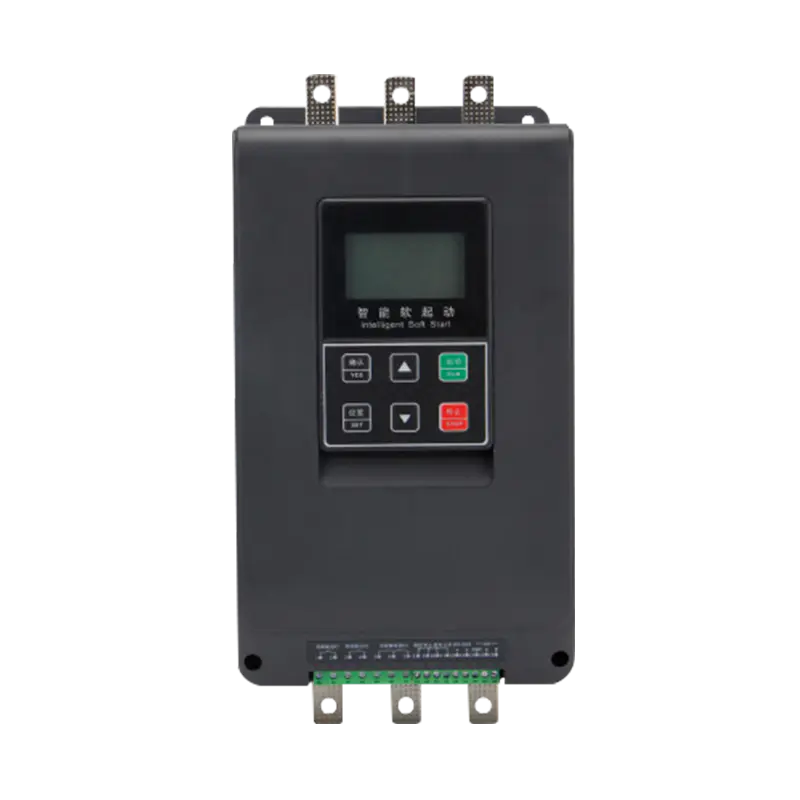
Soft starters are common. They lower electrical stress when a motor starts. After the motor reaches full speed, an External Bypass Soft Starter moves the load straight to the power line. This lowers heat on the starter. But it also changes how current moves in the system.
An IoT Circuit Breaker helps smart load control by still watching current and voltage after the bypass happens. This helps operators check that the motor load becomes stable as it should. If current stays high or moves outside normal limits, the data can show a problem. The problem could be mechanical resistance, a process change, or an electrical issue downstream.
In systems with many motors, this helps stop problems. It prevents a situation where combined loads are more than planned capacity without anyone seeing it.
Seeing Loads in Real Time Across Spread-Out Areas
Many facilities run electrical equipment over large or faraway areas. Examples are school campuses, industrial parks, or farm sites. Here, load control based on guesses can bring risk.
IoT Circuit Breakers send operating data using mobile networks. This allows watching loads from one central place. Operators can compare load levels at different spots. They can find uneven sharing or sudden increases.
This real-time sight is very useful where External Bypass Soft Starter units are used. They may be at many motor locations. Differences between similar motors can be seen through current trends. They do not need a manual check. This helps make better load balancing choices.
Using Data to Adjust Loads, Not Guesses
Smart load control needs understanding how systems act over time. IoT Circuit Breakers record past data. This data shows daily, weekly, and seasonal use patterns.
This information helps make choices like these:
- Changing operation times to lower peak loads that happen together.
- Finding equipment that always uses more current than expected.
- Checking if current wiring can handle more load.
For motors started through External Bypass Soft Starter systems, past data is useful. Comparisons between start-up current and running current give good context. For example, a slow rise in running current over many months may show wear or a change in process need. It may not be an electrical fault.
Using data this way supports careful load changes. It is better than quick, reactive changes.
Better Load Control in Industrial Places
Industrial places often have changing loads. This is due to shifting production amounts, material types, or work shifts. Managing these changes without clear data is hard.
IoT Circuit Breakers help track how total load reacts to production changes. If many motors start or stop close together, the system records how this affects total current. This insight helps operators organize equipment use. They can avoid putting too much strain on the power supply.
In setups where big motors use External Bypass Soft Starter configurations, understanding the total effect is key. Data from the breaker helps confirm if load increases are slow or fast. This affects how changes are made.
Managing Loads in Commercial and Public Buildings
Commercial buildings and public places have mixed loads. These include HVAC systems, lights, elevators, and tenant gear. Demand changes all day. Fixed load planning does not work well.
An IoT Circuit Breaker helps smart load control. It shows how different systems add to total use at different hours. Facility managers can find times of high demand. They can see if some loads can be moved or timed differently.
In buildings using External Bypass Soft Starter systems for pumps or fan motors, separating start-up effects from long-term trends is helpful. It stops people from mistaking normal behavior for a problem.



 English
 中文简体
中文简体 عربى
عربى




 浙公网安备33038202003754号