Optimizing CNC Machine Tools: The Role of Soft Starters and Frequency Converters
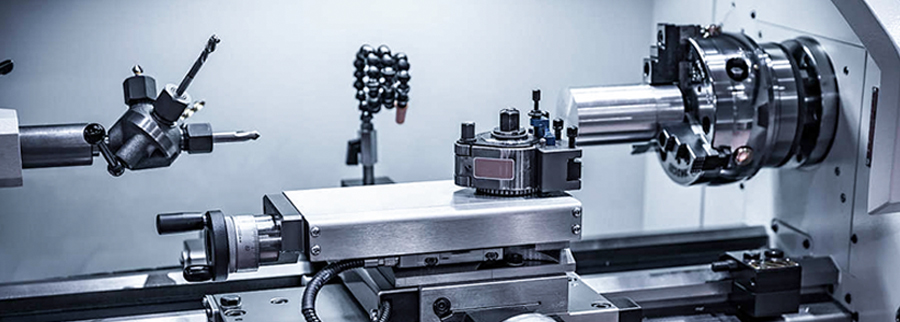
In the CNC machine tool industry, soft starters and frequency converters each have their unique applications.
Application of soft starters in the CNC machine tool industry:
Smooth starting to reduce electrical and mechanical stress
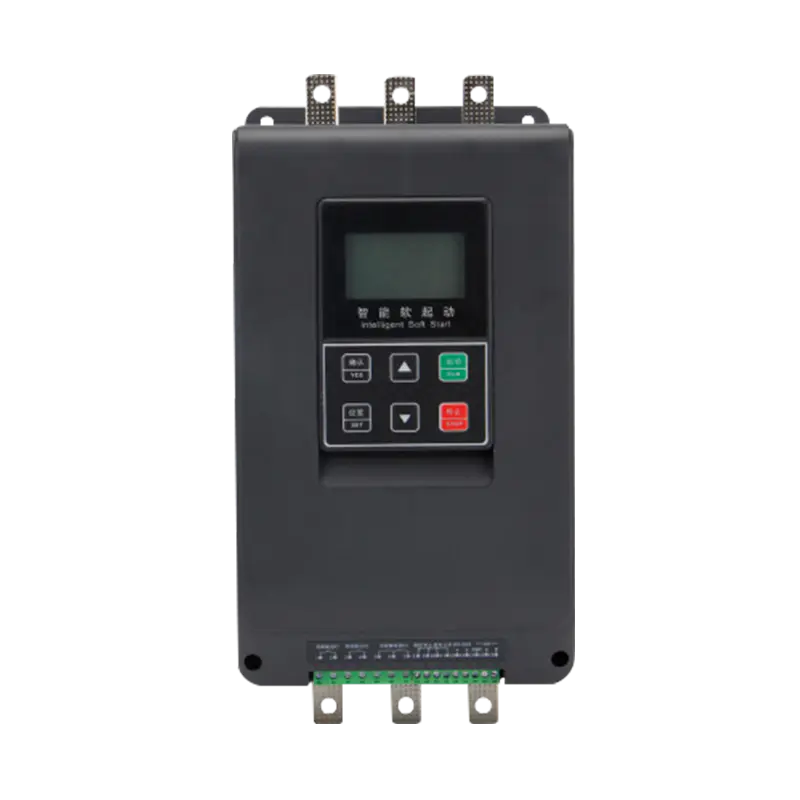
When a CNC machine's motor starts across-the-line, it can draw a high inrush current, which may cause voltage dip, nuisance trips, or unnecessary stress on the machine's electrical system. A soft starter ramps the motor's applied voltage up in a controlled way, so the motor accelerates more gently. That softer ramp reduces startup shock—both electrically and mechanically—helping protect the motor, couplings, and related machine-tool components.
Motor protection that helps extend service life
A soft starter isn't only about starting—it typically includes motor protection features such as overload monitoring (and, depending on the model, phase loss/imbalance and stall detection). In CNC machine tool applications, these protections can prevent damage from overload conditions and repeated harsh starts, which helps reduce downtime and supports a longer motor service life.
Suitable for occasions with frequent starting:
CNC machine tools may need to start and stop the motor frequently during processing. Soft starters are economical and easy to use, making them particularly suitable for such occasions where frequent starting is required. They can effectively reduce the impact of starting current on the power grid and equipment.
Application of frequency converters in the NC machine tool industry:
Speed control that supports better machining results
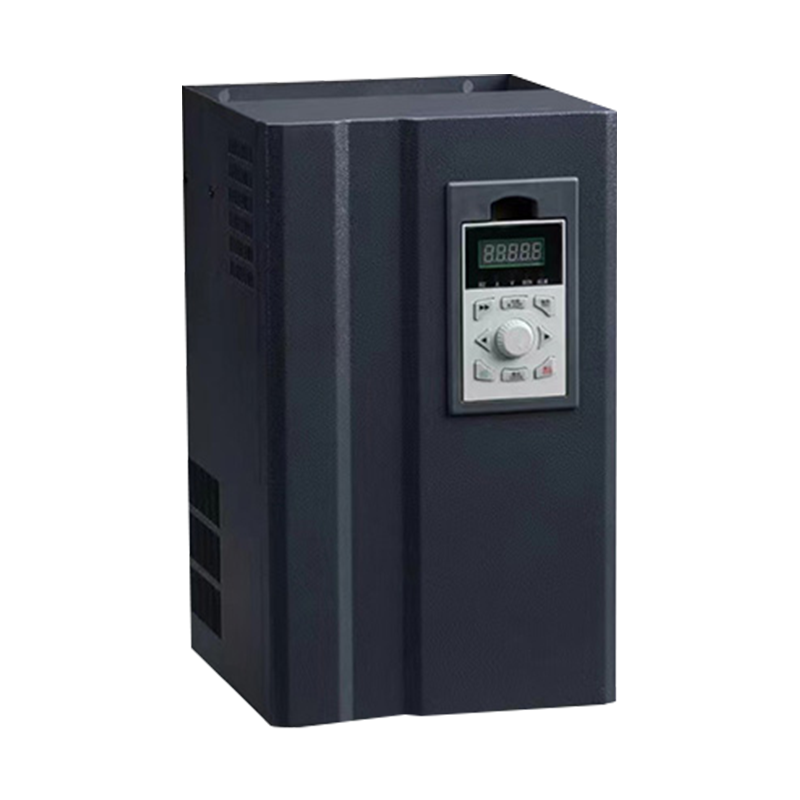
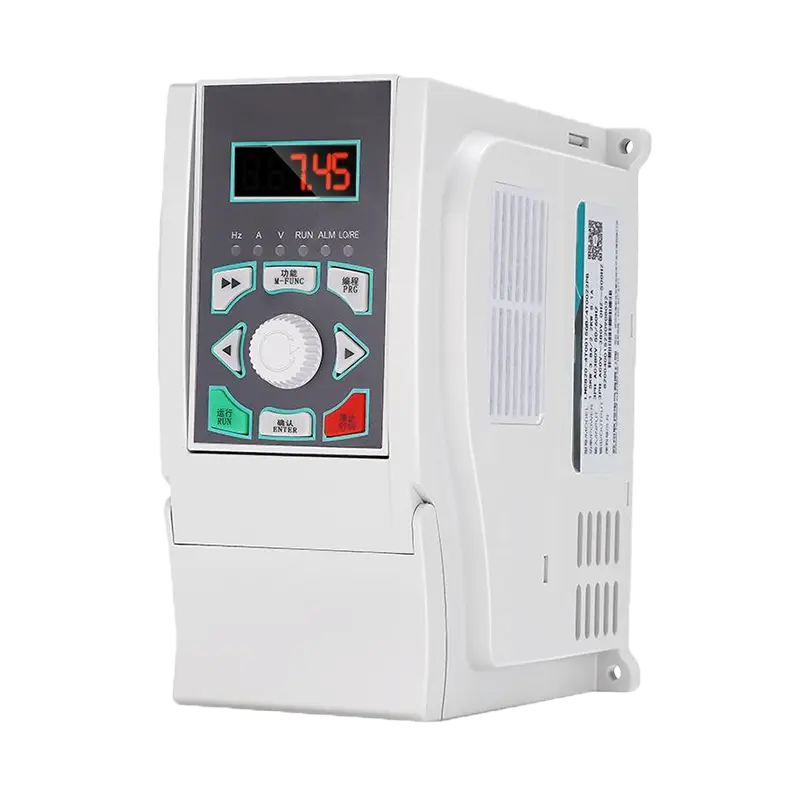
- A variable frequency drive (VFD)—also called a frequency converter or inverter drive—lets you adjust an AC motor's speed by changing the output frequency (and coordinating voltage). On CNC machine tools, that translates into more accurate speed matching for the job: you can set spindle or feed-related motor speed to what the material and cutting conditions actually require, which helps improve surface finish, dimensional consistency, and cycle efficiency.
Lower energy use when full speed isn't necessary
Many CNC operations don't need the motor running at maximum speed all the time. With a VFD, the machine can run only as fast as needed for the process step, reducing wasted power and improving overall energy efficiency. Over time, that can noticeably reduce electricity costs, especially in shops running multiple machines across long shifts.
More control options for automated CNC workflows
Beyond variable speed, a VFD can support functions commonly needed in CNC applications, such as:
- Forward/reverse control
- Controlled acceleration/deceleration ramps
- Braking (drive-controlled stopping, often used to reduce coast-down time)
These capabilities make it easier to meet more demanding process requirements and can improve automation flexibility at the machine level.
Improved reliability by simplifying mechanical complexity
Switching to variable-speed control can reduce the need for older, maintenance-heavy mechanical solutions (for example, multi-step gearboxes or complicated transmission arrangements). Fewer mechanical parts typically means less wear, fewer failure points, and more stable operation. Many VFD setups also include protective features—such as overload and fault protection—that help keep the CNC machine running safely and reduce unplanned downtime.
Soft starter vs. VFD in CNC machine tools (practical positioning)
In CNC equipment, soft starters and VFDs solve different problems:
- Soft starters are often selected when the priority is gentle starts, reduced electrical/mechanical stress, and solid motor protection, particularly in cases with frequent start/stop but fixed running speed.
- VFDs (frequency converters) are typically chosen when you need precise speed regulation, measurable energy savings, and richer control functions that support modern CNC process demands.



 English
 中文简体
中文简体 عربى
عربى




 浙公网安备33038202003754号