Optimize Conveyor Belt Performance with Soft Starters and Frequency Converters
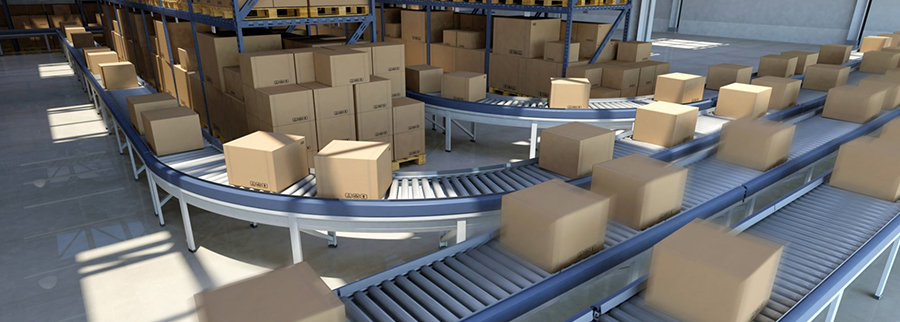
In the conveyor belt system industry, soft starters and frequency converters each have their unique applications and play an important role.
Application of soft starters in conveyor belt systems:
1. Smooth start and impact reduction:
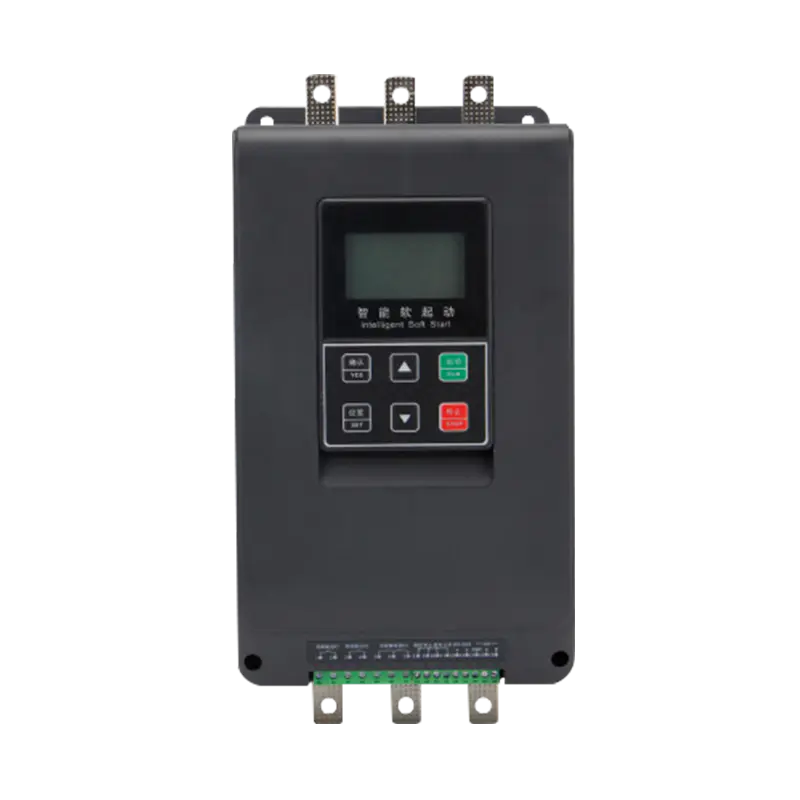
- A soft starter controls the motor's input voltage during startup and ramps it up gradually. This delivers a smooth, controlled start, which helps reduce both inrush current and mechanical shock. As a result, it protects the motor and the conveyor belt system from excessive stress, lowers wear on drivetrain components, and improves overall equipment reliability.
- By limiting the starting current, a soft starter also minimizes the impact on the power supply / electrical grid, helping prevent voltage dips and avoiding nuisance trips caused by overcurrent during startup. This makes motor starting more stable, especially in applications where conveyors start under load or where the power network is sensitive.
2. Protect the motor and extend its life:
- A soft starter does more than smooth motor startup—it also adds built-in motor protection features such as overload protection. These safeguards help reduce overheating and excessive stress, which can extend the service life of both the motor and the entire conveyor belt / conveyor system.
- In operation, the soft starter continuously monitors key motor conditions. If it detects a fault or abnormal behavior, it can trip and disconnect power immediately to help prevent equipment damage and improve overall system safety.
3. Suitable for high-power motor equipment:
-Soft starters are particularly suitable for high-power motor equipment, such as the start-up of large conveyor belt systems, which can effectively reduce the impact on the motor and the power grid at startup.
Application of frequency converters in conveyor belt systems:
1. Speed regulation and energy saving:
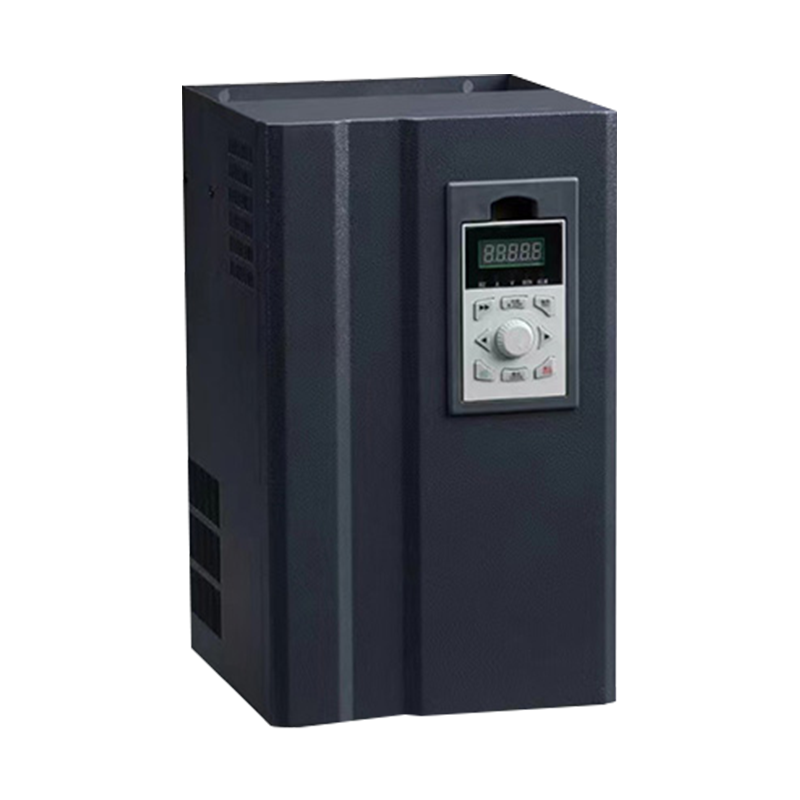
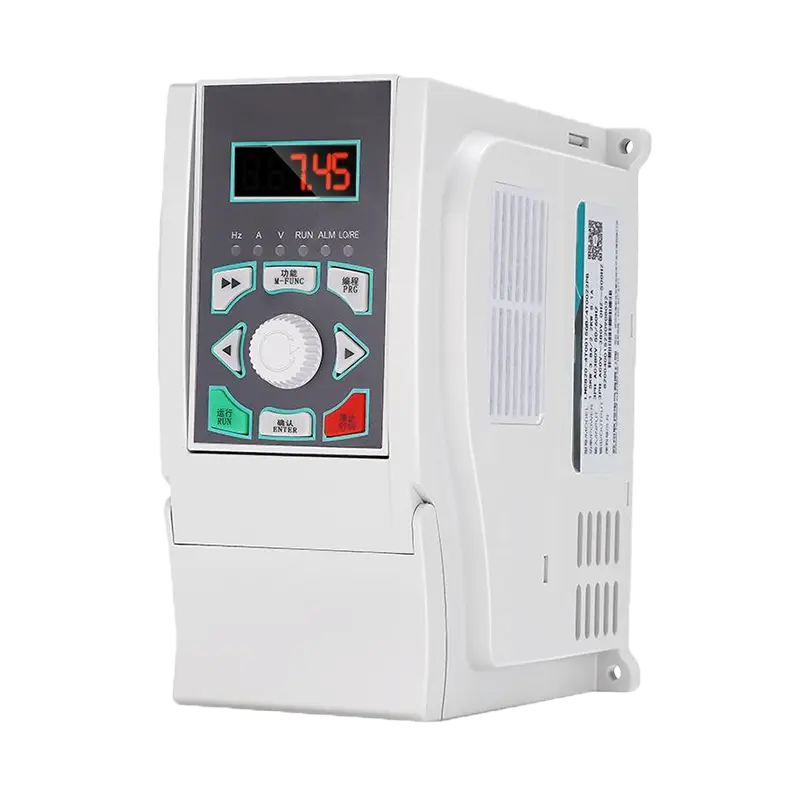
- A variable frequency drive (VFD)—often called an inverter or frequency converter—controls an AC motor by varying the supply frequency (and matching voltage), which lets you dial in motor speed with much finer accuracy. On a conveyor belt system, that means the belt speed can be set to the exact rate the process needs—slowing down for accumulation or delicate handling, speeding up to meet throughput targets—so production stays consistent instead of “one-speed-fits-all.”
- Beyond speed control, a VFD is a practical way to cut energy use. When the conveyor doesn't need to run flat-out, the drive lowers motor speed and reduces the power drawn, which can translate into measurable electricity savings and lower operating costs—especially in lines where loads and flow rates change throughout the day.
2. Improve operating efficiency and flexibility:
- A variable frequency drive (VFD) helps a conveyor run with reliable torque across a wide speed range, so the belt can slow down or speed up without feeling "weak" at low RPM. That steadier pulling force reduces stalling and surging, improves product handling, and gives the conveyor system more day-to-day flexibility without sacrificing efficiency.
- It also supports load-based speed control. As belt load or material flow changes, the drive can adjust motor speed to match the real demand—keeping the line balanced, reducing unnecessary strain, and smoothing out throughput. In practical terms, that kind of automatic speed trimming can improve overall performance while lowering wear on mechanical components.
3. Suitable for occasions requiring precise speed regulation:
A variable frequency drive (VFD/inverter) is a strong fit for conveyor applications where speed has to be controlled tightly—for example, lines that change belt speed often, need gentle acceleration/deceleration, or must automatically match conveyor speed to the production process (upstream/downstream equipment, product spacing, or variable flow).
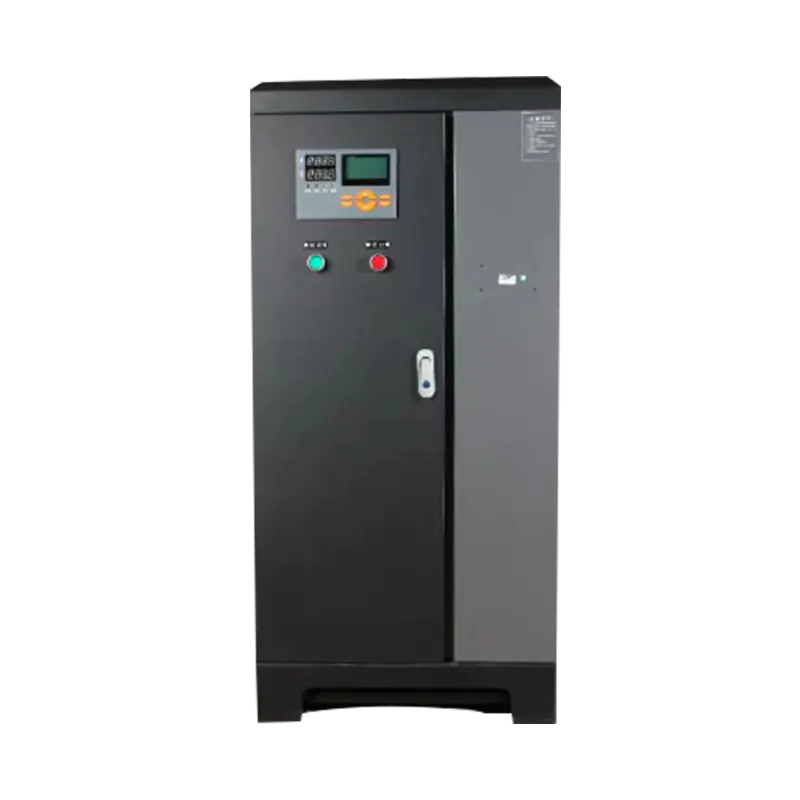
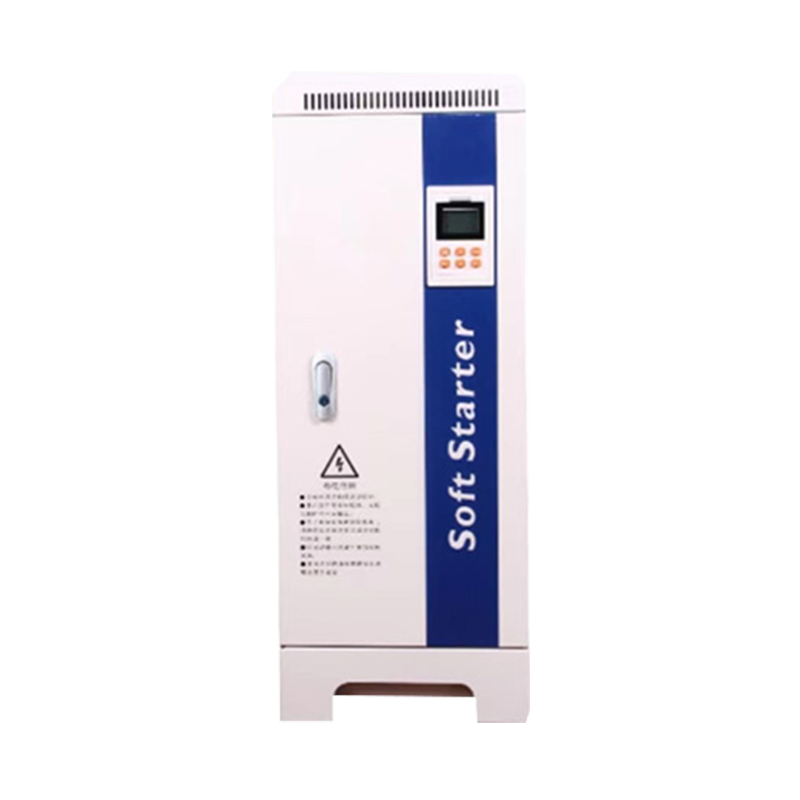
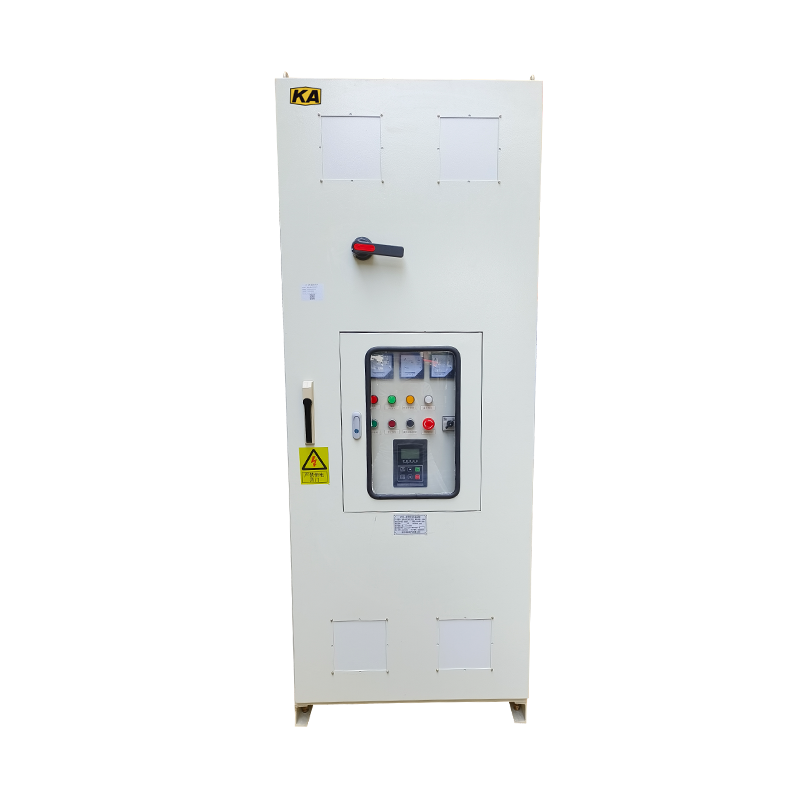
Xinhang soft starters and VFDs solve different problems, and that's why both remain common. A soft starter is typically chosen when the main goal is a smooth ramp-up, reduced inrush current, and solid motor protection—especially on high-power motors that run at a fixed speed once started. A VFD, on the other hand, is usually the go-to option when you need variable speed control, energy savings through speed reduction, and better overall operating flexibility—particularly in processes where accurate speed changes are part of normal production.



 English
 中文简体
中文简体 عربى
عربى




 浙公网安备33038202003754号