How to Choose a Soft Starter: Sizing, Protection Features, and When to Use a VFD Instead
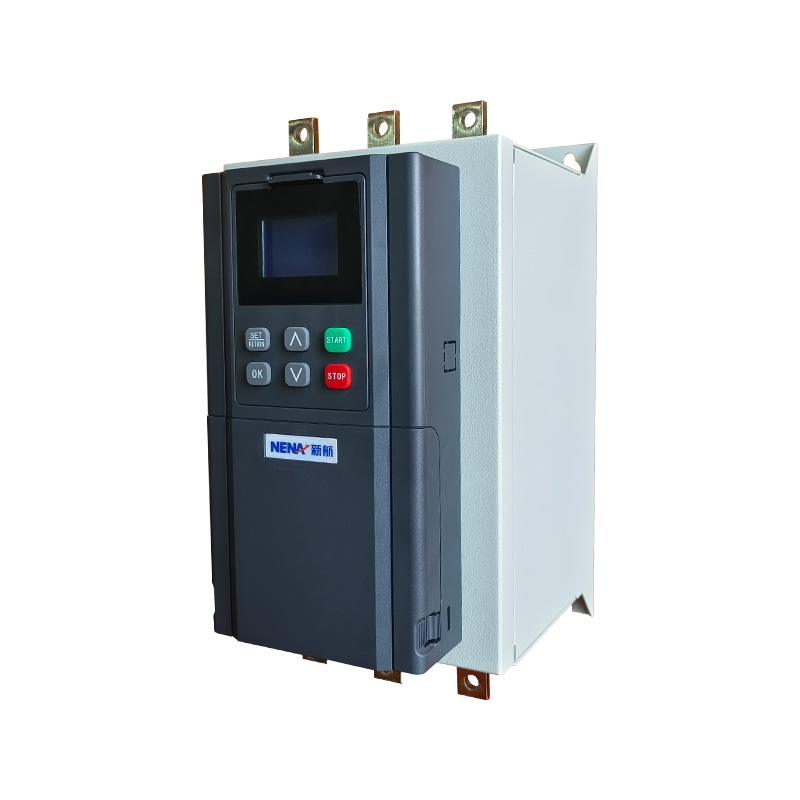
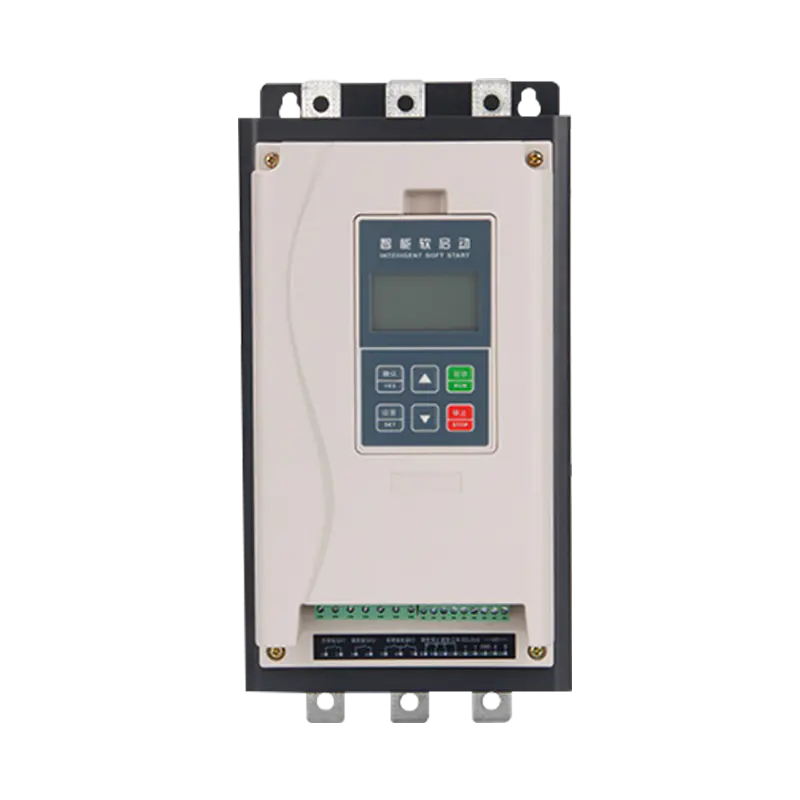
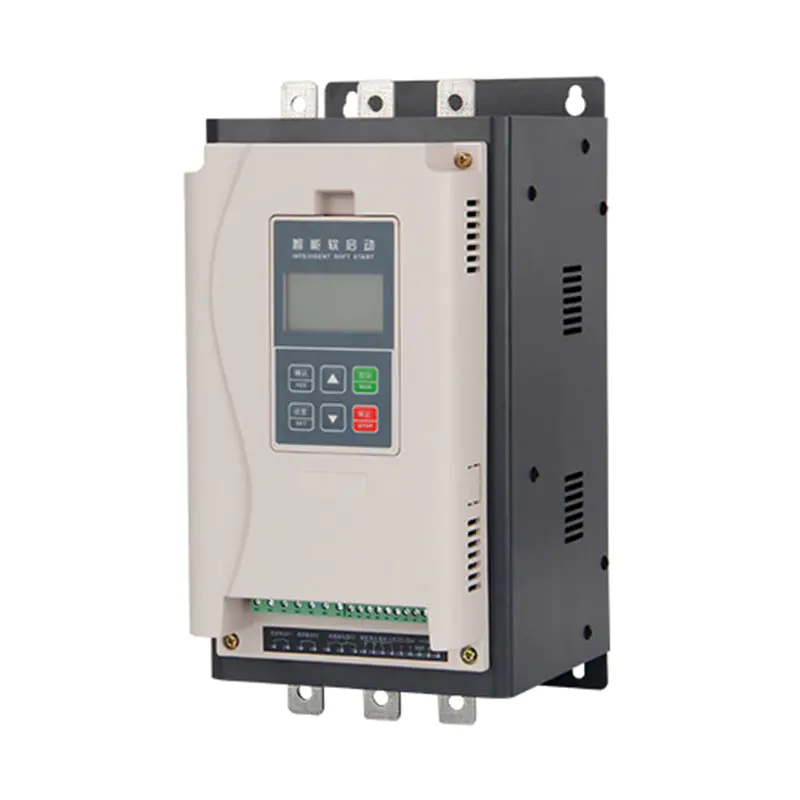
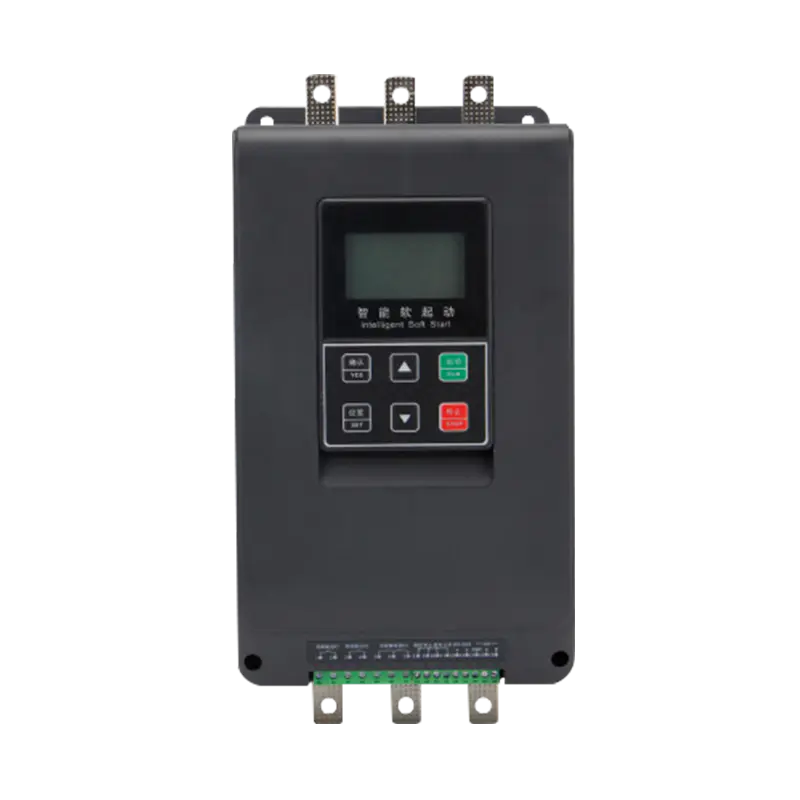
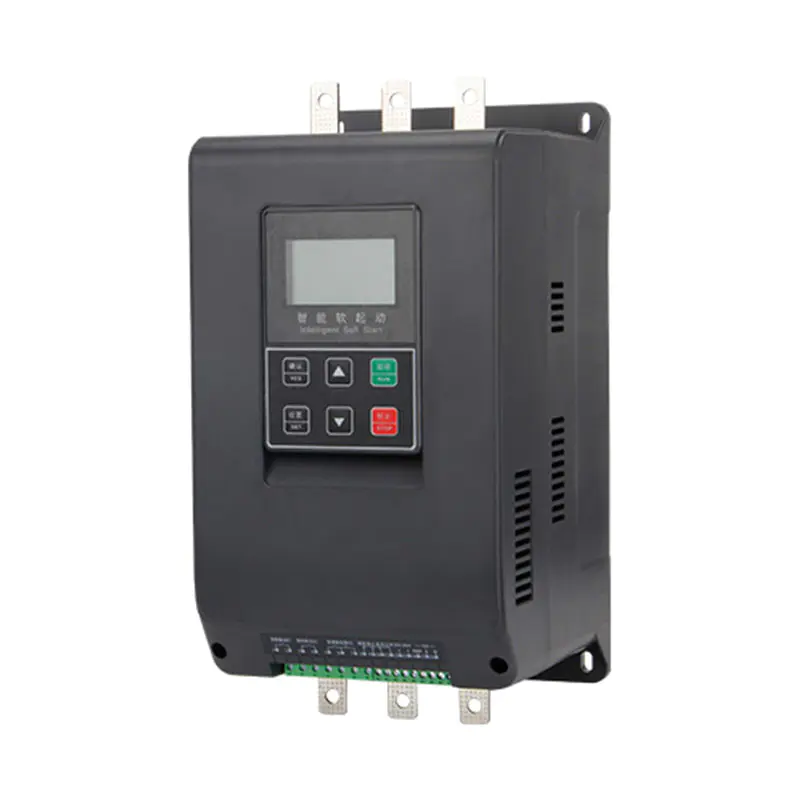
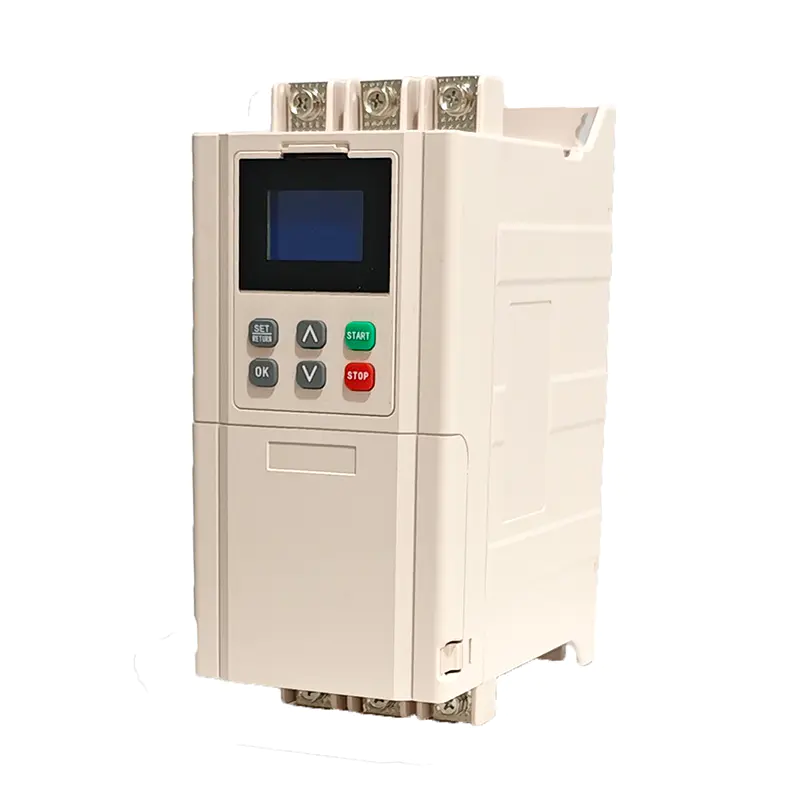
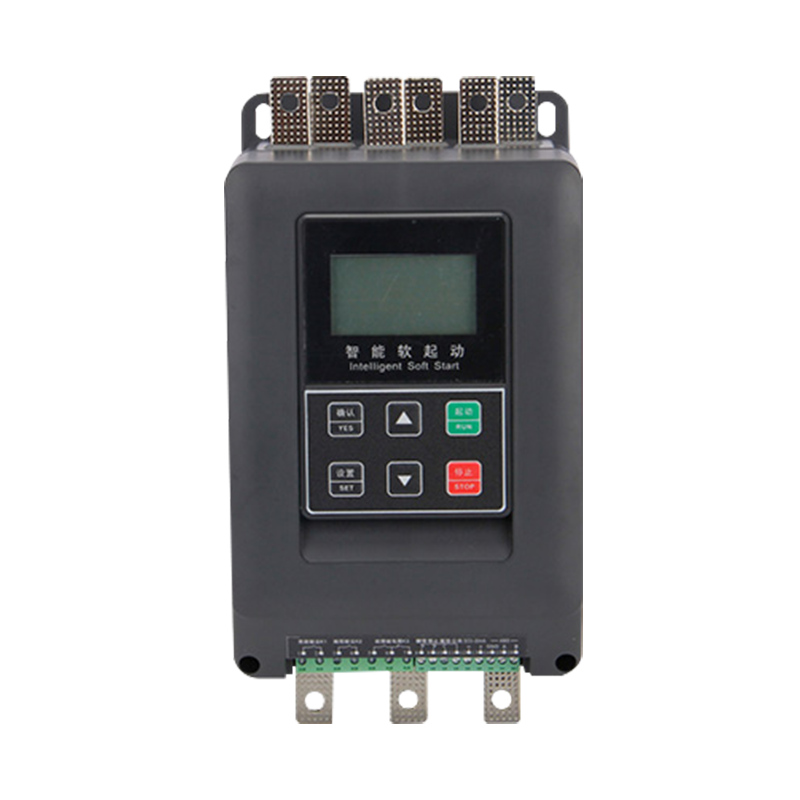
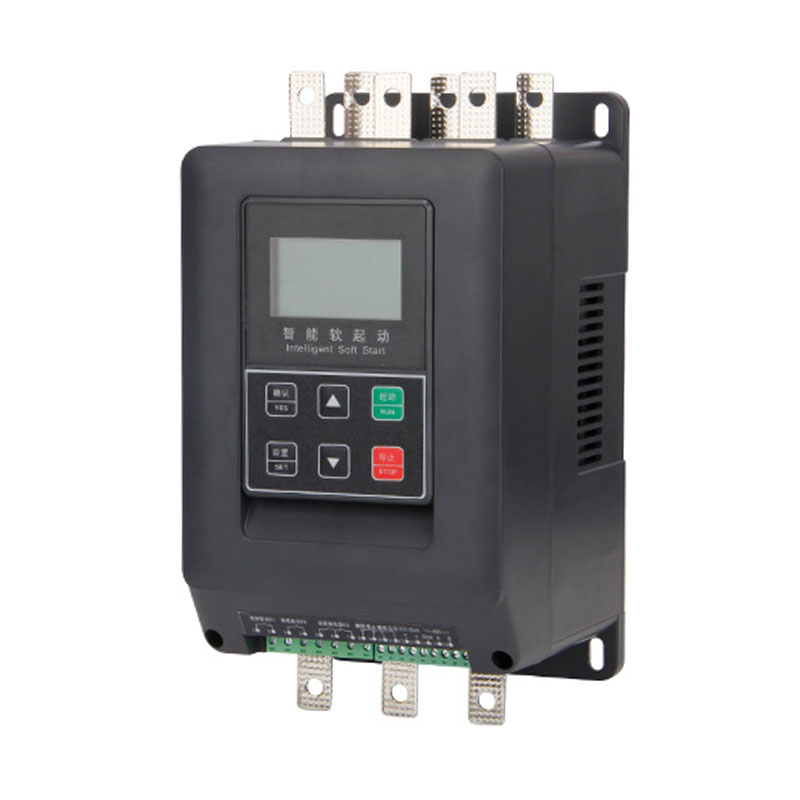
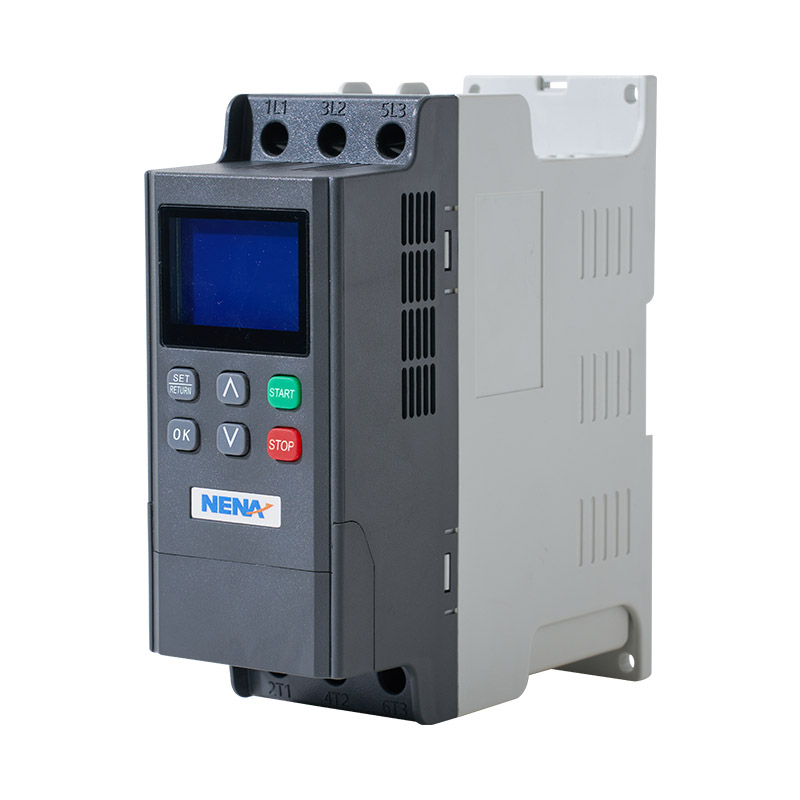
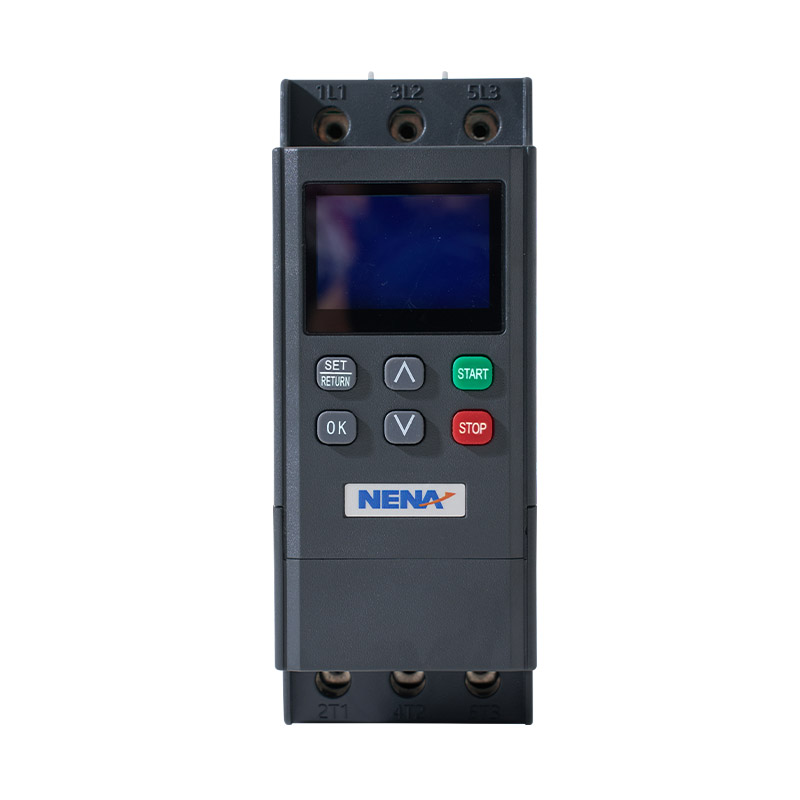
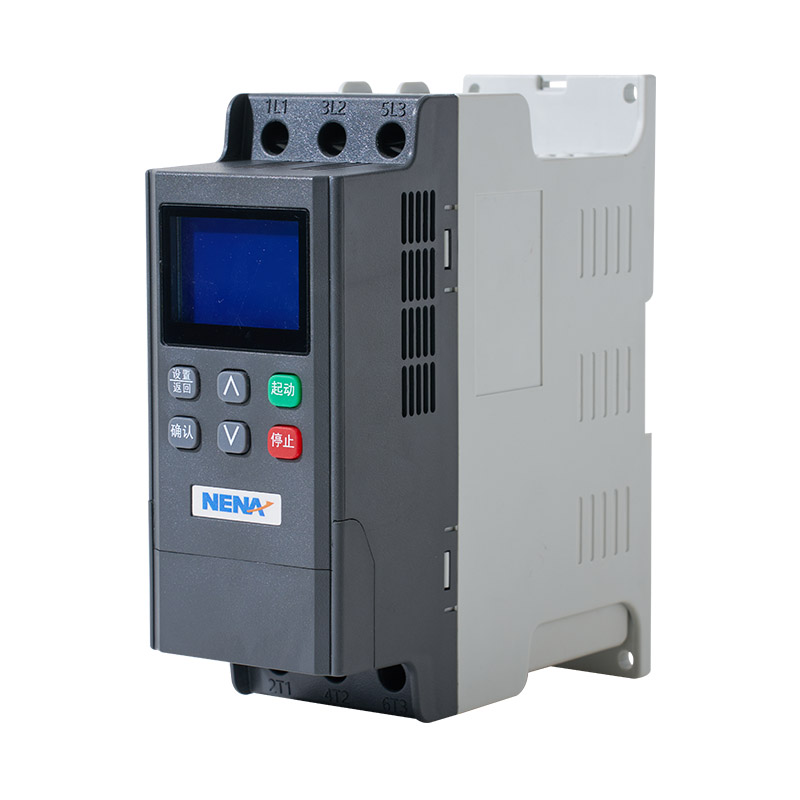
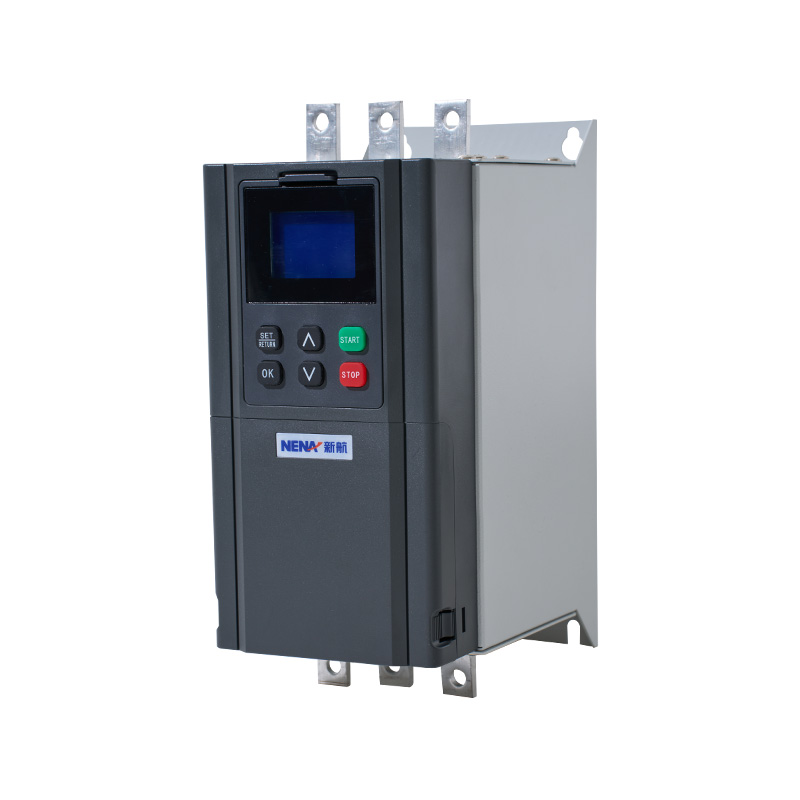
A soft starter is a straightforward way to improve AC motor starting without redesigning the whole drive system. By controlling voltage during ramp-up, it helps limit inrush current and smooth out starting torque, which reduces stress on the power supply and on mechanical components like couplings, belts, and gearboxes.
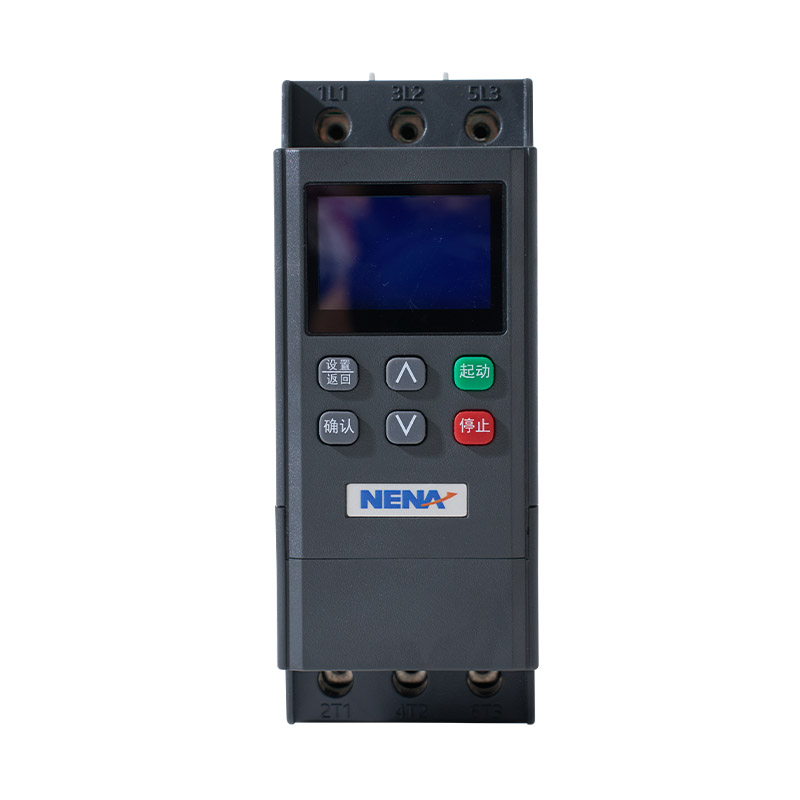
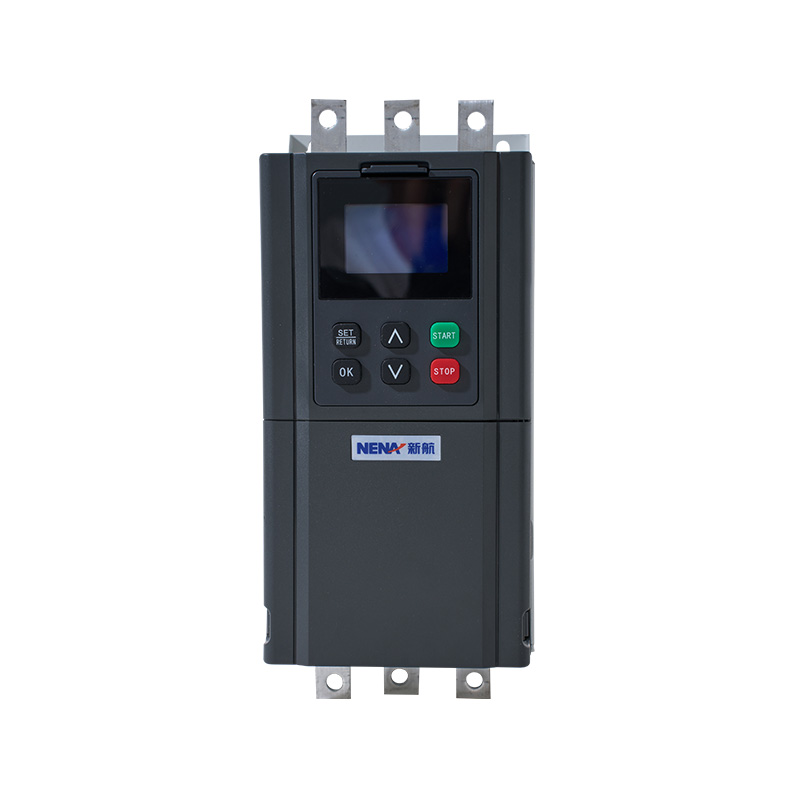
When selecting a motor soft starter, don't rely on horsepower alone. For most industrial applications, the correct choice depends on the motor's rated current (FLA), how often it starts (the duty cycle), and what you're driving—whether it's a pump, fan, compressor, conveyor, or another load with its own starting demands.
Below is a practical guide used by many buyers when comparing soft starters for pumps, fans, compressors, and conveyors.
What a soft starter actually solves
Direct-on-line starting can create high current draw and a sudden torque hit. In the field, that often shows up as:
- Voltage dip and nuisance trips
- Unnecessary wear on belts, couplings, bearings, and seals
- Hard starts on loaded machines (especially compressors and conveyors)
A soft starter ramps the motor voltage during startup, producing a smoother acceleration profile and reducing peak current.
Step 1: Size by motor current, not just kW/HP
The most reliable sizing input is the motor's rated current (FLA). Confirm:
- Motor voltage and frequency (e.g., 400V 50Hz, 460V 60Hz)
- Nameplate FLA and service factor
- Starting frequency (starts per hour) and ambient temperature
- Load type and inertia (light fan vs. high-inertia conveyor)
If the motor starts under heavy load or starts frequently, it's common to choose a higher current margin.
Step 2: Match features to your application
Common features that add real value in industrial sites include:
- Adjustable ramp time and current limit
- Overload protection settings suited to duty
- Phase loss/imbalance monitoring
- Motor temperature input (PTC/NTC where applicable)
- Bypass option (for reduced heat and improved efficiency once at speed)
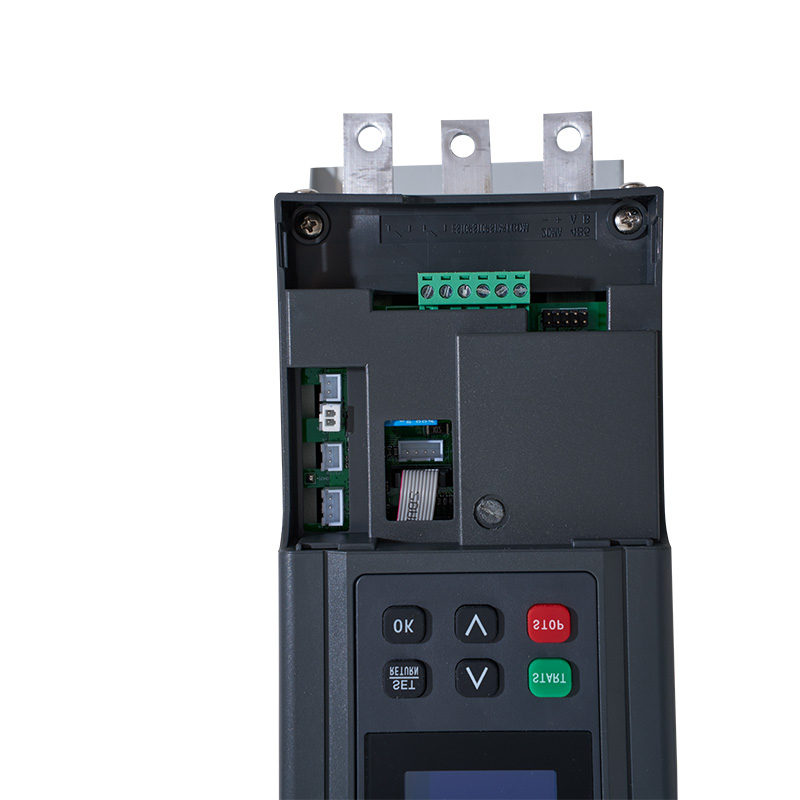
- Communication (Modbus/fieldbus) if integrating into a control system
Getting the soft starter sizing right is one of the easiest ways to improve motor starts without adding unnecessary complexity. A correctly selected motor soft starter delivers a smoother ramp-up, cuts inrush current, and reduces the torque shock that accelerates wear on belts, couplings, bearings, and gearboxes—often leading to fewer nuisance trips and more consistent uptime.
For wholesale soft starter buyers, most field problems can be avoided by confirming a few basics before placing the order: the motor nameplate FLA (rated current), supply voltage/frequency, load type and starting frequency (duty cycle), ambient temperature/ventilation, and the protection functions required on site (overload class, phase loss/imbalance, temperature input, bypass, etc.). Locking these details upfront helps prevent common headaches like oversizing, overheating, repeated faults, and time-consuming commissioning changes.



 English
 中文简体
中文简体 عربى
عربى








 浙公网安备33038202003754号