What "Quality Tested" Really Means for an Online Soft Starter (and What Buyers Should Ask)
Buying an online soft starter is deceptively easy today. A few clicks and you can compare ratings, features, and prices from dozens of suppliers. The harder part comes later—when the unit is mounted in a panel, wired to a 3 phase motor, and expected to start a pump or compressor cleanly on day one. That's the moment where the phrase “quality tested” either proves itself… or turns into downtime, rework, and a painful email thread.
In industrial motor control, "quality" isn't a vibe. It's repeatability: the soft starter ramps the same way it did on the bench, it protects the motor the way the datasheet implies, and it doesn't behave differently from one batch to the next. Real testing is what separates those outcomes.
"Quality tested" is not a sticker—it's a process you can trace
A soft starter sits at an uncomfortable intersection: it's power electronics (heat, current, switching behavior) and it's also a protection device (it has to react correctly when things go wrong). Many failures don't show up as dramatic smoke; they show up as the slow stuff that burns budgets:
- the ramp feels inconsistent across identical motors
- the unit runs hot in a real enclosure even though the rating "should be fine"
- nuisance trips appear only under load, or only after a few starts
- commissioning takes twice as long because settings don't behave predictably
Those symptoms are often tied to manufacturing variance, incomplete testing, or a QC process that checks "does it turn on" but not "does it behave correctly under realistic conditions."
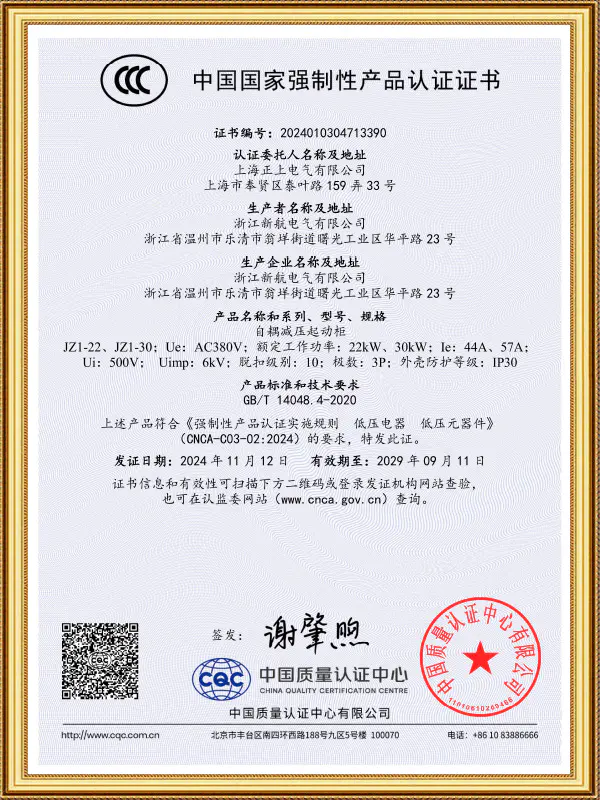
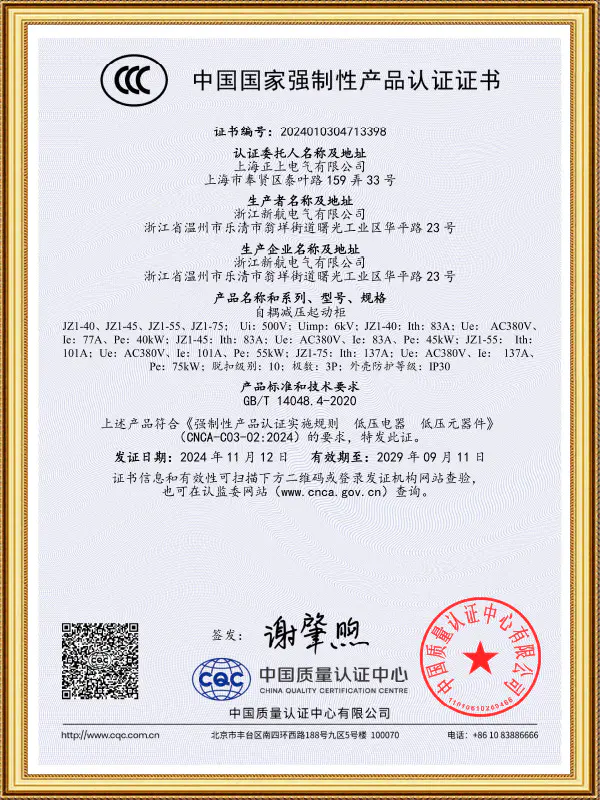
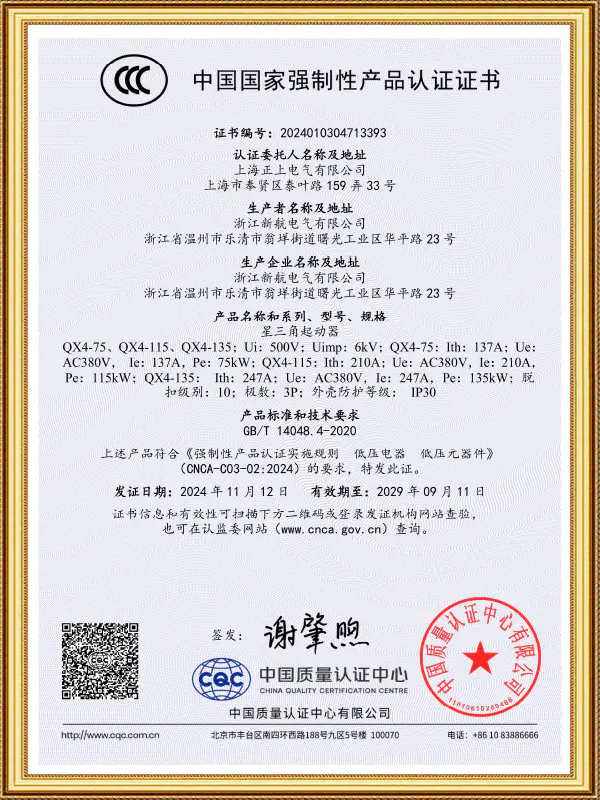
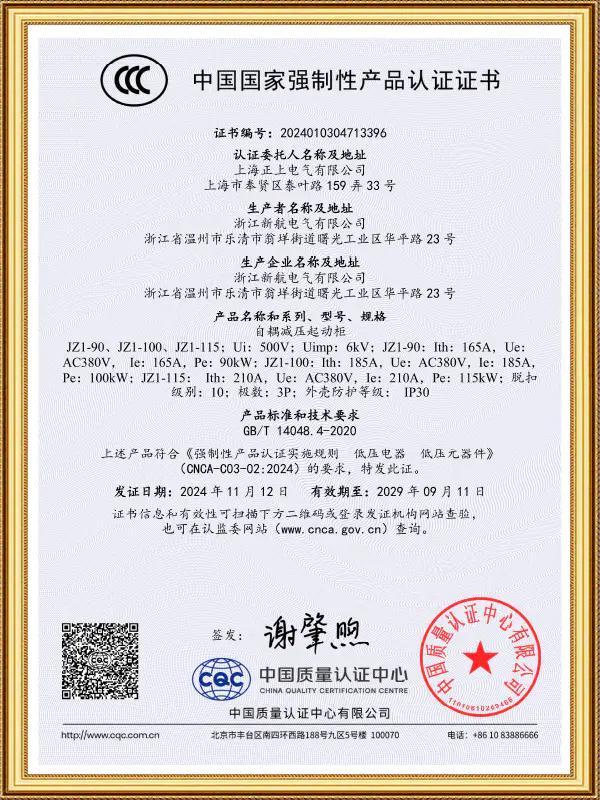
A meaningful "quality tested" claim usually implies the factory has a controlled flow that links incoming materials, assembly, calibration, and final verification, with records that can be audited when something goes wrong.
The tests that actually reduce your risk in the field
If you're sourcing an online soft starter for resale or for projects, it helps to think in outcomes: what kinds of problems does a test prevent?
1) Verifying the power path (not just the display)
The most basic requirement is that the power stage is built correctly—connections, insulation, clearances, and internal wiring. A proper electrical test bench can catch the “silent defects” that later become intermittent faults.
What you're trying to avoid here isn't only total failure. It's the frustrating failures: units that pass a quick power-up but behave unpredictably once current and temperature rise.
2) Confirming ramp behavior under controlled conditions
A soft starter's value is in how it starts the motor. That's why factories that rely on repeatable ramp verification (and calibration where needed) tend to ship more consistent product.
- The practical question is simple: if two units are set with the same ramp parameters, do they deliver similar starting performance? When they don't, customers end up compensating in the field—tweaking settings that shouldn't need heroics.
3) Measuring the parameters that matter, not the ones that look good on paper
A professional test setup can validate key electrical parameters and functional behavior before shipment. That's not about chasing perfection; it's about staying inside known tolerances so the product is predictable for the installer.
Predictability is what shortens commissioning time. If a contractor has to "learn" each unit like it has a personality, your after-sales cost goes up fast.
4) Catching heat-related issues early
Overheating rarely announces itself on day one. It shows up later as derating complaints, thermal trips, or shortened component life—especially when the soft starter is installed in a crowded panel with limited airflow.
Factories with mature QC typically take thermal behavior seriously, because heat is the slow killer of power electronics. Even without publishing every internal detail, a credible supplier should be able to explain how overheating risk is controlled (design margin, bypass strategy, component selection, and test verification).
What buyers should ask (without turning the conversation into an interrogation)
You don't need to demand a 50-page report. You do need a supplier who answers clearly and consistently. The following questions are effective because they're specific, practical, and hard to fake with vague marketing language:
1) What is tested on every unit—100%—before shipping?
Look for a straightforward answer that distinguishes "every unit" from "sample inspection."
2) Do you have a documented QC flow from incoming parts to finished product?
A serious factory can describe the checkpoints: incoming inspection, assembly checks, in-process verification, final functional testing, packaging inspection.
3) How do you verify starting performance (ramp) is consistent across batches?
This is where "quality tested" becomes real. Consistency is what protects you from field variability.
4) If there's a problem, can you trace the unit by serial number to a production batch or test record?
Traceability reduces resolution time and helps suppliers fix root causes instead of arguing symptoms.
5) What applications do you see most often for this model, and what are the common mis-sizing mistakes?
A supplier that understands pumps vs. fans vs. compressors will give more useful guidance than one that only repeats kW/HP ranges.
Why this matters more when you buy online
Online purchasing removes the "soft signals" you'd get from a local channel: you can't walk through the factory, you can't casually inspect stock, and you often don't meet the technical team. That makes evidence-based confidence more important.
A good online soft starter supplier compensates by being transparent about QC, testing capability, and how they support pre-sales selection (voltage, current/FLA, duty cycle, load type) so the product arrives ready to install—not ready to troubleshoot.
A simple way to judge an online soft starter is this: if it's genuinely quality-tested, it should commission like a normal piece of industrial equipment—wired correctly, set with standard parameters, and started without "mystery fixes" or endless tweaking.
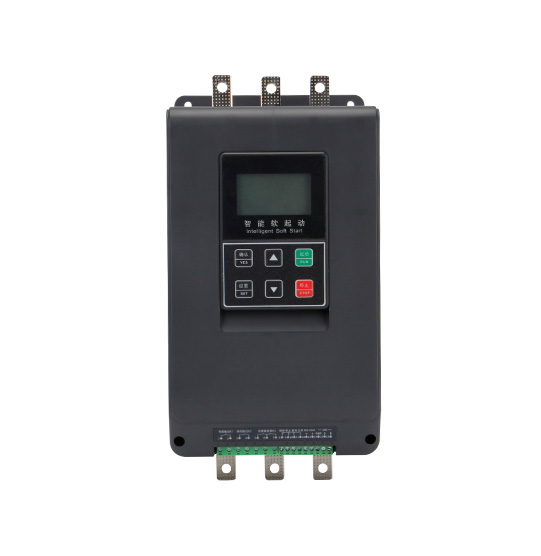
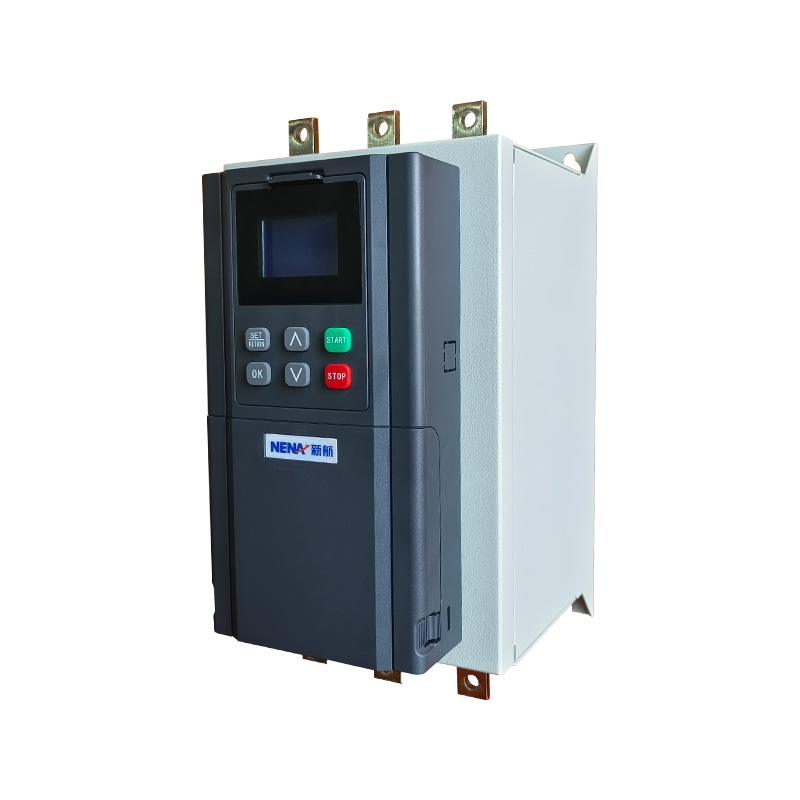
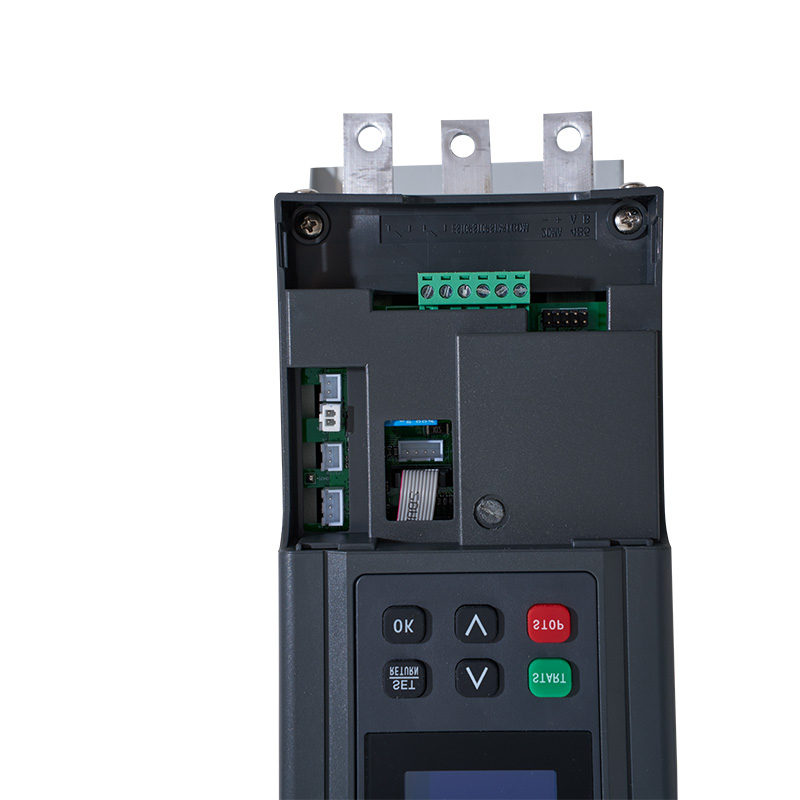
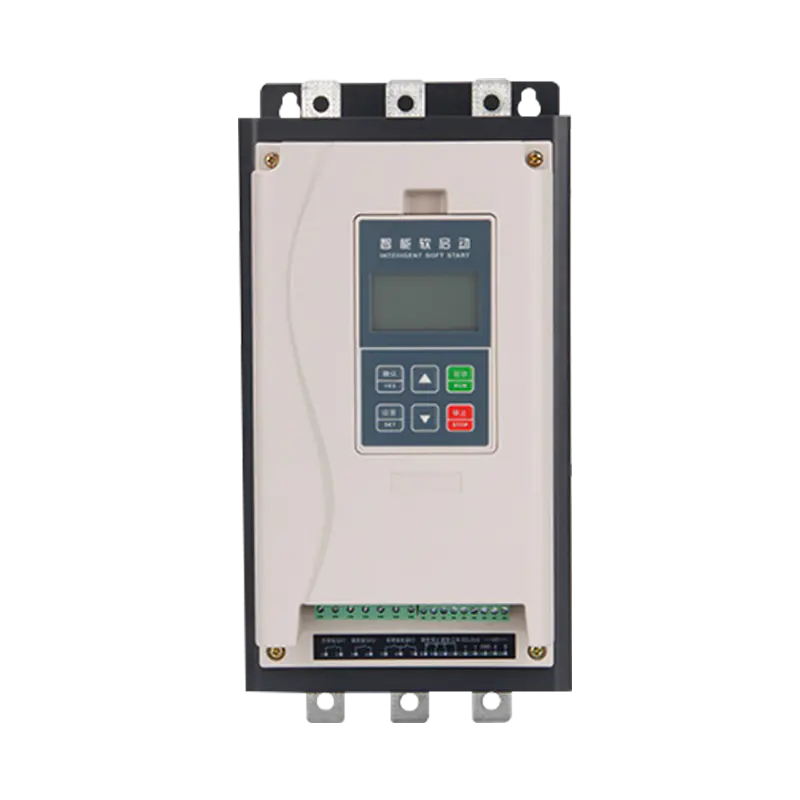
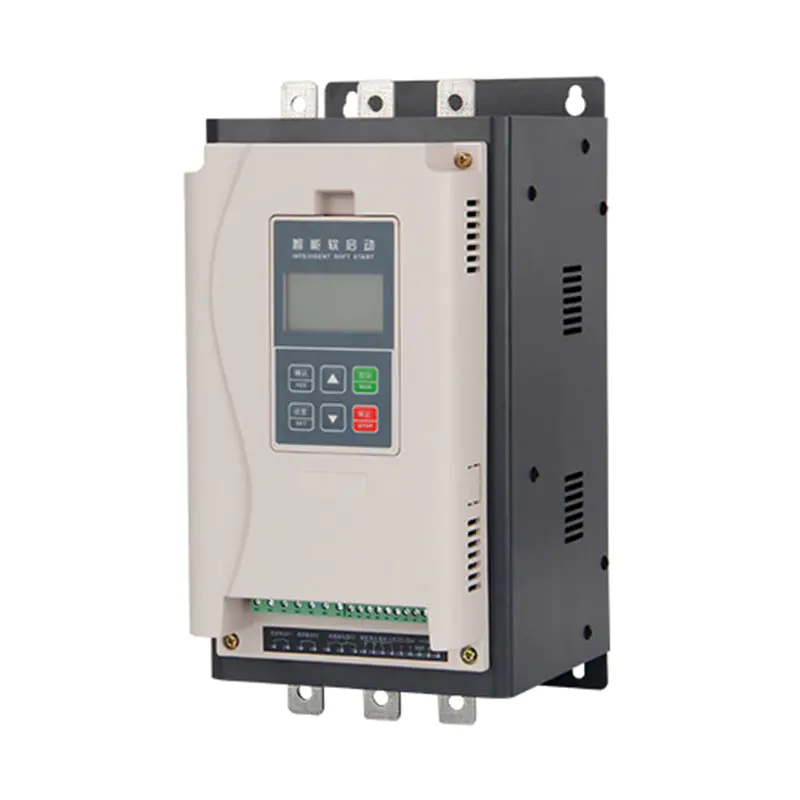
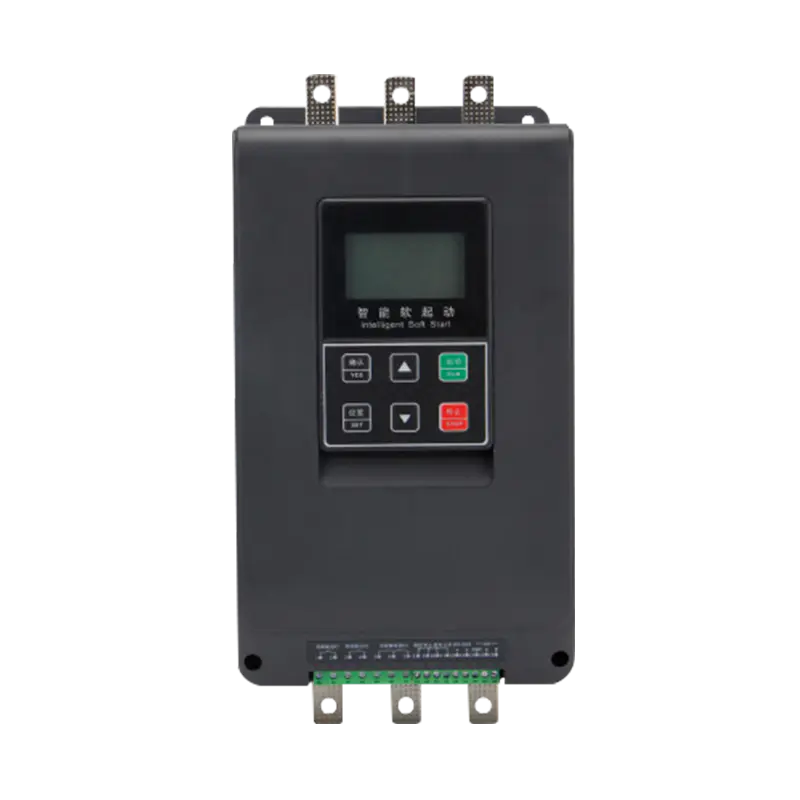
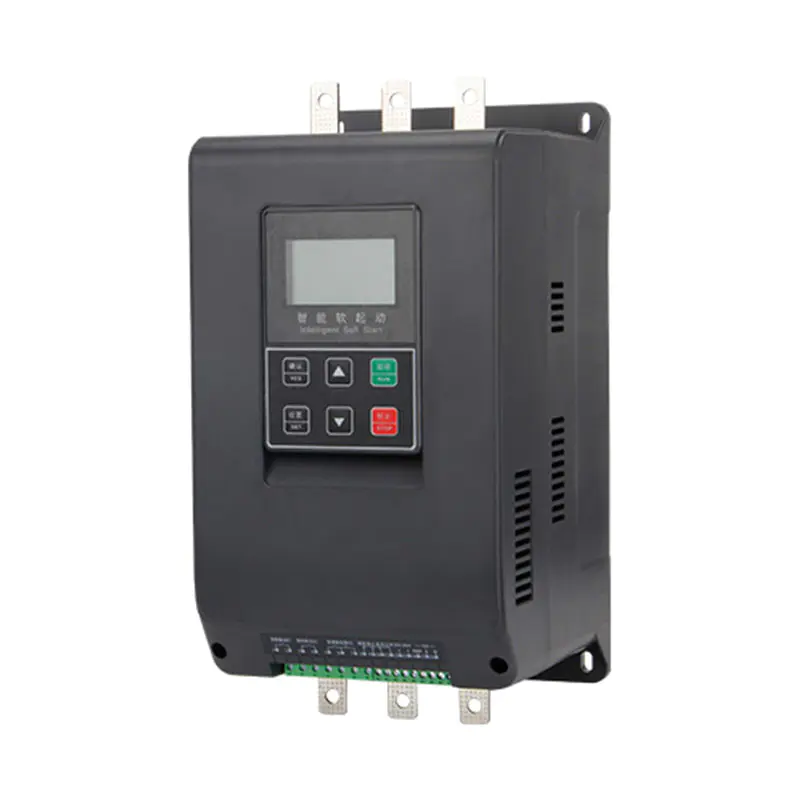
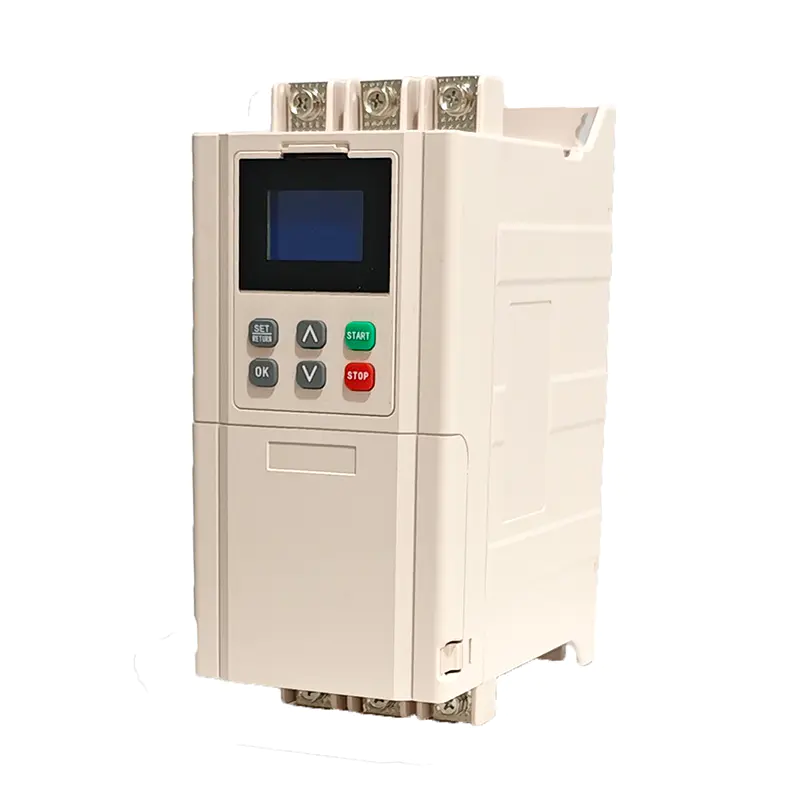
That's the standard XNhang builds for as an online soft starter factory. By keeping manufacturing processes consistent and verifying performance with repeatable testing before shipment, we help customers cut down on commissioning delays, reduce returns, and avoid those last‑minute troubleshooting calls. The payoff is a 3‑phase motor start that feels predictable on site—because it was made and tested to be predictable in the first place.



 English
 中文简体
中文简体 عربى
عربى








 浙公网安备33038202003754号