Abstract
In the field of industrial water pump and motor control, soft starters and Variable Frequency Drives (VFDs) are two core control devices that are widely employed. This paper presents a systematic comparative analysis of these two types of equipment across multiple dimensions, including operating principles, technical characteristics, energy-saving benefits, applicable scenarios, and economic considerations. The findings indicate that soft starters—owing to their advantages of low cost and high reliability—are well-suited for fixed-speed operating conditions that require only start/stop control. Conversely, VFDs—by virtue of their full-range speed regulation capabilities and significant energy-saving benefits—are better suited for complex operating conditions characterized by variable flow demands. This paper aims to provide engineers and procurement decision-makers with a scientific basis and practical reference for equipment selection within water pump and motor control systems.
Keywords: Soft Starter; Variable Frequency Drive (VFD); Industrial Water Pump; Motor Control; Energy Saving; Starting Current; Application Selection
I.Introduction
In the realms of modern industrial production and municipal infrastructure, pumping systems constitute a significant source of energy consumption; consequently, the choice of motor drive control strategy directly impacts a system's reliability, operational efficiency, and total lifecycle costs. With the continuous advancement of industrial automation, motor soft-starting technology and variable-frequency speed control technology have emerged as two core areas of focus within the engineering sector.
The traditional Direct-On-Line (DOL) starting method generates an inrush current ranging from 6 to 10 times the rated current, imposing significant stress on both the power grid and the equipment. To mitigate this issue, the engineering community has widely adopted soft starters or variable frequency drives (VFDs) as alternative solutions. However, in specific application scenarios, each technology possesses its own distinct advantages; improper selection can lead to wasted resources or suboptimal performance.
Zhejiang NENA Electric Co., Ltd. has dedicated itself to the field of electrical control for many years, striving to provide clients with professional motor control solutions. Drawing upon industry best practices and practical engineering case studies, this paper presents an in-depth comparative analysis of the application of soft starters versus VFDs in the control of industrial water pumps, aiming to serve as a systematic reference for technical selection.
II.Overview of Operating Principles
2.1 Operating Principle of Soft Starters
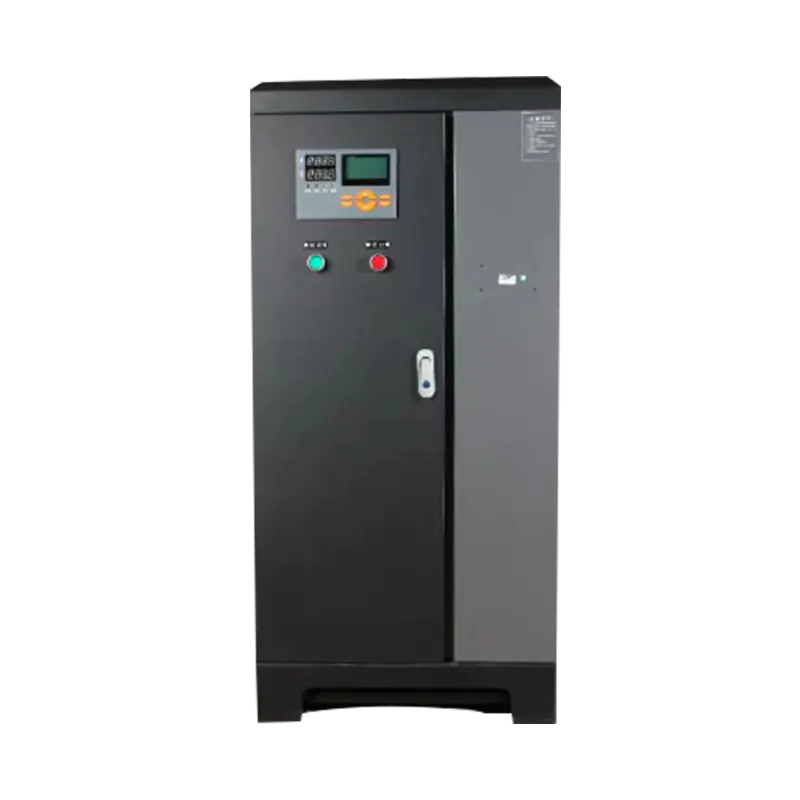
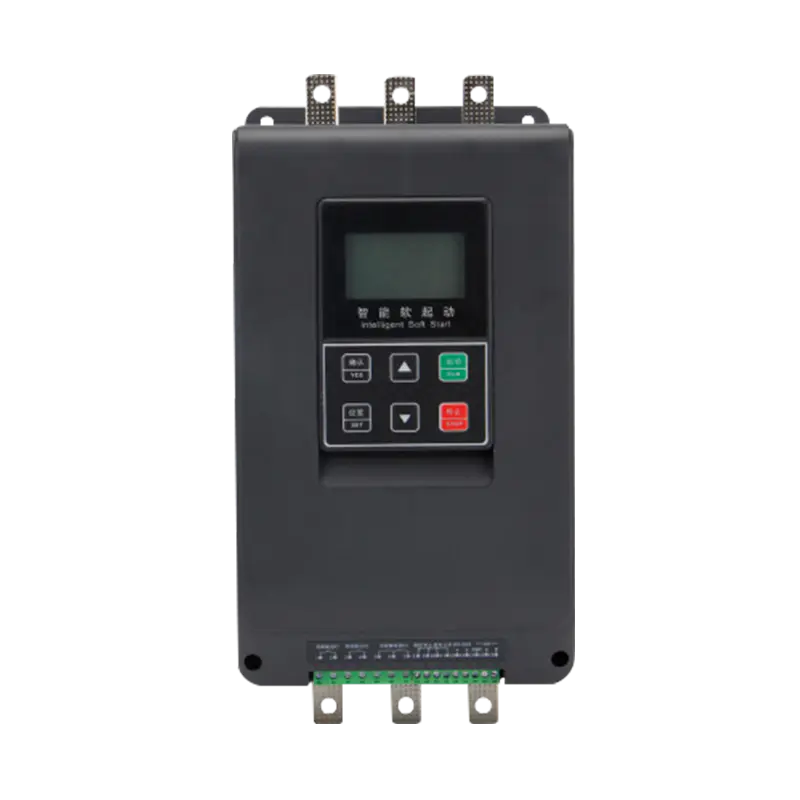
A soft starter is, in essence, a reduced-voltage starting device. Its core component consists of a solid-state power circuit comprising anti-parallel thyristors (SCRs). During the motor startup phase, the device gradually increases the voltage applied to the motor's stator windings by modulating the conduction angle of the thyristors. This process allows the motor to accelerate smoothly from zero speed to its rated speed, thereby preventing the instantaneous current surge typically associated with startup. Typical soft starters employ a three-phase fully controlled or semi-controlled bridge circuit, with the core control logic outlined as follows:
- Startup Phase: The SCRs operate with a small conduction angle, causing the output voltage to ramp up linearly from an initial preset value (typically 30% to 50% of the rated voltage);
- Acceleration Phase: Based on a preset acceleration time (typically adjustable between 1 and 30 seconds), the control system smoothly increases the conduction angle until full conduction is achieved;
- Steady-State Operation Phase: The bypass contactor engages, the SCRs disengage, and the motor connects directly to the power grid, thereby eliminating the additional power losses caused by continuous current flow through the SCRs;
- Soft Stop Function (Optional): By gradually reducing the voltage, this function facilitates a slow deceleration of the pump system, effectively preventing the water hammer effect.
It is worth noting that the soft starter actively intervenes only during the startup and stopping processes; during normal operation, the motor runs at its rated frequency and full voltage. Its rotational speed is governed by the load characteristics, resulting in what is, in essence, fixed-speed operation.
2.2 Working Principle of the Variable Frequency Drive (VFD)
A Variable Frequency Drive (VFD—also known as a variable speed drive or AFD) is a power electronic device that achieves motor speed control by varying the frequency and voltage of the power supplied to the motor. Its core working principle is governed by the speed equation for AC motors:
N = 120 × f / P
Where: N = Synchronous speed (rpm); f = Supply frequency (Hz); P = Number of motor poles.
It is evident, therefore, that varying the power supply frequency allows for the stepless adjustment of motor speed; this constitutes the fundamental principle by which variable frequency drives (VFDs) achieve speed regulation. Modern VFDs primarily consist of the following components:
- Rectifier Unit (AC → DC): Converts utility- frequency AC power into DC power, typically employing a three-phase uncontrolled bridge rectifier or PWM rectification;
- DC Bus and Filter Capacitors: Smooth the DC voltage and provide a stable DC power supply;
- Inverter Unit (DC → AC): Utilizes IGBT power devices to convert DC power into three-phase AC power—with both adjustable frequency and amplitude—through Pulse Width Modulation (PWM) technology;
- Control System: Based on DSP or ARM microprocessors, it implements closed-loop control for speed, torque, and current, as well as various protection and communication functions.
The key advantage of a VFD lies in its comprehensive speed regulation capability—it not only provides "soft control" for the motor during the start-up and shut-down phases but also dynamically adjusts the motor speed throughout the entire operation cycle in accordance with process requirements, thereby enabling precise control over parameters such as flow rate and pressure.
III.Comparative Analysis of Technical Performance
3.1 Starting Current and Mechanical Shock
Motor starting characteristics serve as the primary metric for evaluating the performance of control equipment. The table below compares three different starting methods in terms of starting current suppression, mechanical shock control, and other relevant aspects:
|
Comparison Item
|
Direct-On-Line (DOL)
|
Soft Starter
|
Variable Frequency Drive (VFD)
|
|
Starting Current Multiple
|
6–10 × Rated Current
|
2–4 × Rated Current
|
≤ Rated Current
|
|
Starting Torque Control
|
Fixed, Non-adjustable
|
Limited Adjustment
|
Precisely Adjustable
|
|
Mechanical Shock
|
Severe
|
Minor
|
Negligible
|
|
Grid Voltage Drop
|
Significant
|
Significantly Reduced
|
Almost None
|
|
Acceleration Control Precision
|
None
|
Moderate
|
High
|
|
Water Hammer Protection
|
None
|
Partial Protection (Requires Soft Stop)
|
Excellent
|
In terms of starting performance, variable frequency drives (VFDs) demonstrate distinct advantages regarding starting current control, mechanical shock suppression, and protection against the water hammer effect. Although soft starters do not quite match the capabilities of VFDs, they represent a significant improvement over direct-on-line starting and are capable of meeting the starting requirements of most industrial applications.
3.2 Speed Regulation and Operational Control Capabilities
The difference in operational control capabilities constitutes the most fundamental technical distinction between soft starters and VFDs, and serves as the primary basis for decision-making during equipment selection:
|
Soft Starter — Operational Control Characteristics
|
|
• Operational Control Scope: Limited to the starting process (voltage ramp-up from 0 to rated) and the stopping process (requires configuration of the soft-stop function).
|
|
• Steady-State Operation Mode: The bypass contactor engages, connecting the motor directly to the power grid; the motor operates at a fixed speed corresponding to the rated frequency (50/60 Hz).
|
|
• Speed Regulation Capability: Lacks steady-state speed control functionality; motor speed remains essentially constant.
|
|
• Applicable Scenarios: Applications involving stable loads and fixed flow rate requirements.
|
|
Variable Frequency Drive (VFD) — Operational Control Characteristics
|
|
• Operational Control Scope: Full-range speed regulation, continuously adjustable from 0 Hz up to the rated frequency (and beyond).
|
|
• Steady-State Operation Mode: The motor operates at the required frequency, with its speed dynamically tracking process commands in real-time.
|
|
• Speed Regulation Capability: Stepless speed control, enabling precise regulation of flow rate, pressure, and liquid level.
|
|
• Control Modes: Supports various high-performance control strategies, including V/f control, Vector Control (VC), and Direct Torque Control (DTC).
|
|
• Applicable Scenarios: Applications characterized by frequently changing flow rate requirements and the need for precise process control.
|
3.3 Comparison of Energy-Saving Benefits
Energy efficiency constitutes the most compelling technical advantage of VFDs compared to soft starters; its theoretical basis is derived from the Affinity Laws of fluid dynamics:
Flow Rate Q ∝ n Head H ∝ n² Power P ∝ n³
(n = Rotational Speed)
According to the Affinity Laws, the power consumption of a water pump is directly proportional to the cube of its rotational speed. This implies that if the motor speed is reduced to 80% of its rated speed, the power consumption theoretically drops to just 51.2% of that at full-speed operation (0.8³ = 0.512)—demonstrating a highly significant energy-saving effect.
Taking a practical engineering example: for a large 500 kW centrifugal pump operating continuously at 70% to 80% of its rated flow, utilizing Variable Frequency Drive (VFD) speed control can result in annual electricity savings amounting to hundreds of thousands of kilowatt-hours. In contrast, a soft starter provides current suppression only during the brief startup phase and offers absolutely no energy-saving benefits during steady-state operation.
Illustration of Inverter Energy-Saving Potential (Based on Affinity Laws)
|
Speed Ratio (% Rated)
|
Flow Rate (% Rated)
|
Head (% Rated)
|
Power (% Rated)
|
Energy Saving Rate
|
|
100%
|
100%
|
100%
|
100%
|
0%
|
|
90%
|
90%
|
81%
|
72.9%
|
Approximately 27%
|
|
80%
|
80%
|
64%
|
51.2%
|
Approximately 49%
|
|
70%
|
70%
|
49%
|
34.3%
|
Approximately 66%
|
|
60%
|
60%
|
36%
|
21.6%
|
Approximately 78%
|
3.4 Protection Functions and Reliability
Modern Variable Frequency Drives (VFDs) integrate a more comprehensive suite of motor protection functions, encompassing various safety measures such as overcurrent, overvoltage, undervoltage, overheating, ground fault, and motor stall protection. Furthermore, VFDs typically feature diagnostic data logging capabilities as well as remote communication functions (e.g., Modbus, PROFIBUS, EtherNet/IP).
In contrast, the protection functions of soft starters are relatively basic, primarily offering overcurrent, phase sequence, and undervoltage protection. Since the bypass contactor remains closed during steady-state operation—meaning the Silicon-Controlled Rectifiers (SCRs) no longer carry the main circuit current—their failure rate is relatively low; consequently, soft starters demonstrate exceptional reliability, even in harsh industrial environments.
IV. Analysis of Typical Application Scenarios
4.1 Suitable Scenarios for Soft Starters
Based on their technical characteristics, soft starters often represent a more economical and practical choice in the following industrial application scenarios:
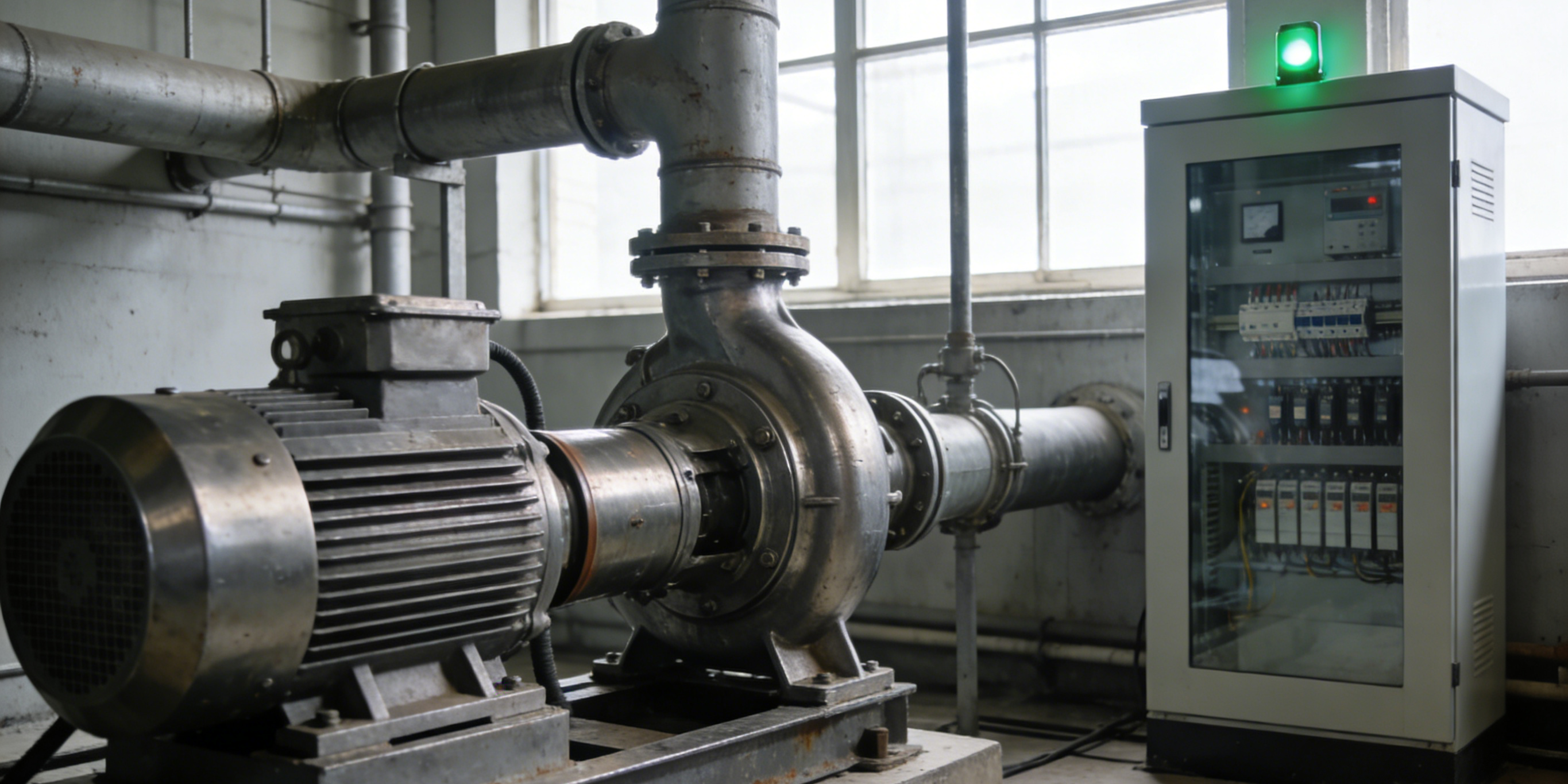
4.1.1 Industrial Water Pumps Operating at Constant Speed
For equipment such as water supply pumps, fire pumps, and circulation pumps—where the required water flow and pressure remain relatively stable, thereby eliminating the need for variable-frequency speed control—soft starters not only provide smooth start-and-stop protection but also keep costs within a reasonable range.
4.1.2 Start-up Control for Large High-Voltage Motors
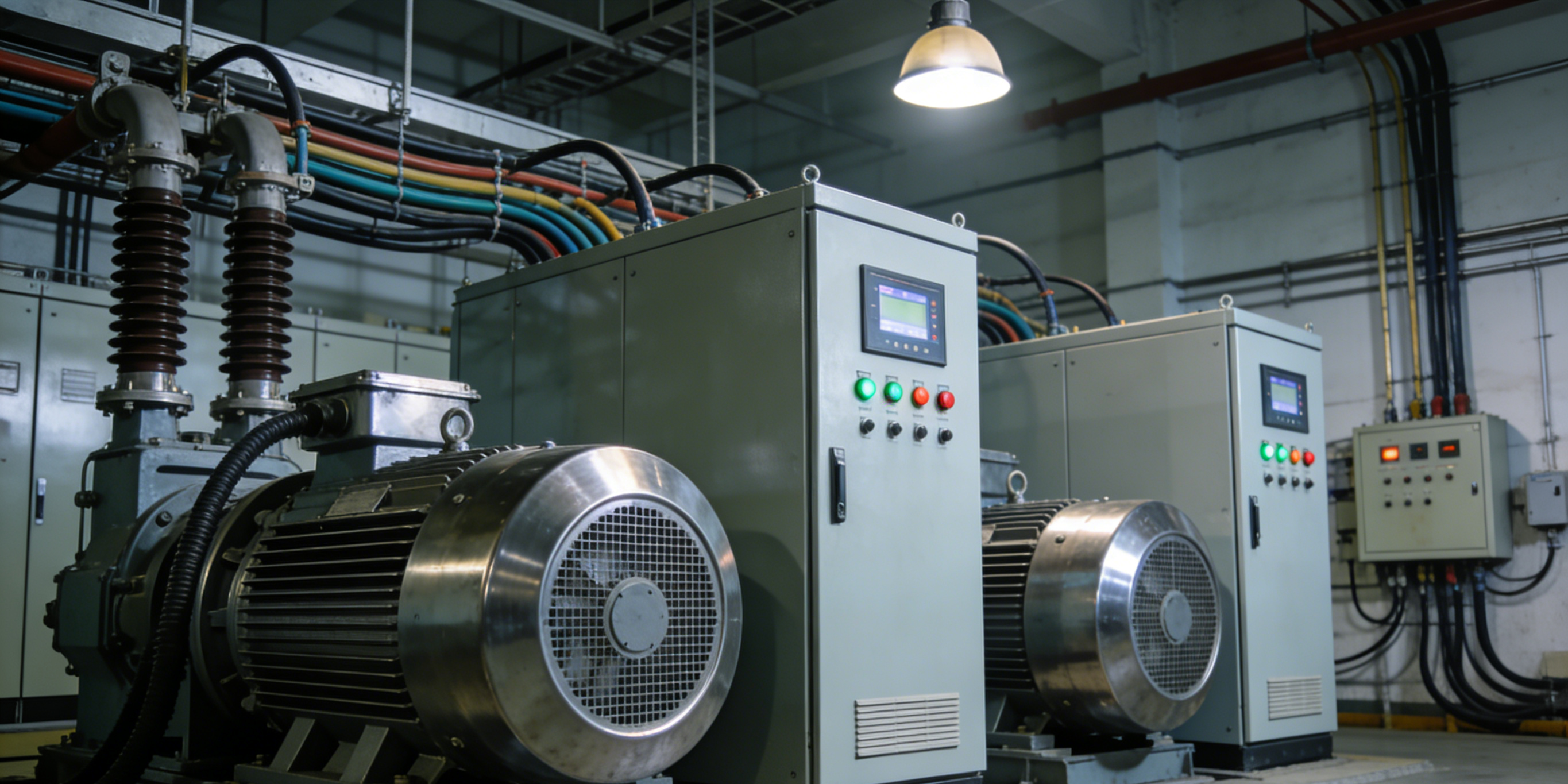
For large motors ranging from several hundred to several thousand kilowatts, frequent direct-on-line starting under heavy loads can impose severe shocks on the power supply system. Soft starters can limit the starting current to 2 to 4 times the rated current, thereby effectively safeguarding the stability of the power grid. In such scenarios, the cost advantage of soft starters is particularly pronounced—at the same power rating, the acquisition cost of a soft starter is typically only one-third to one-half that of a variable frequency drive (VFD).
4.1.3 Space-Constrained Installation Environments
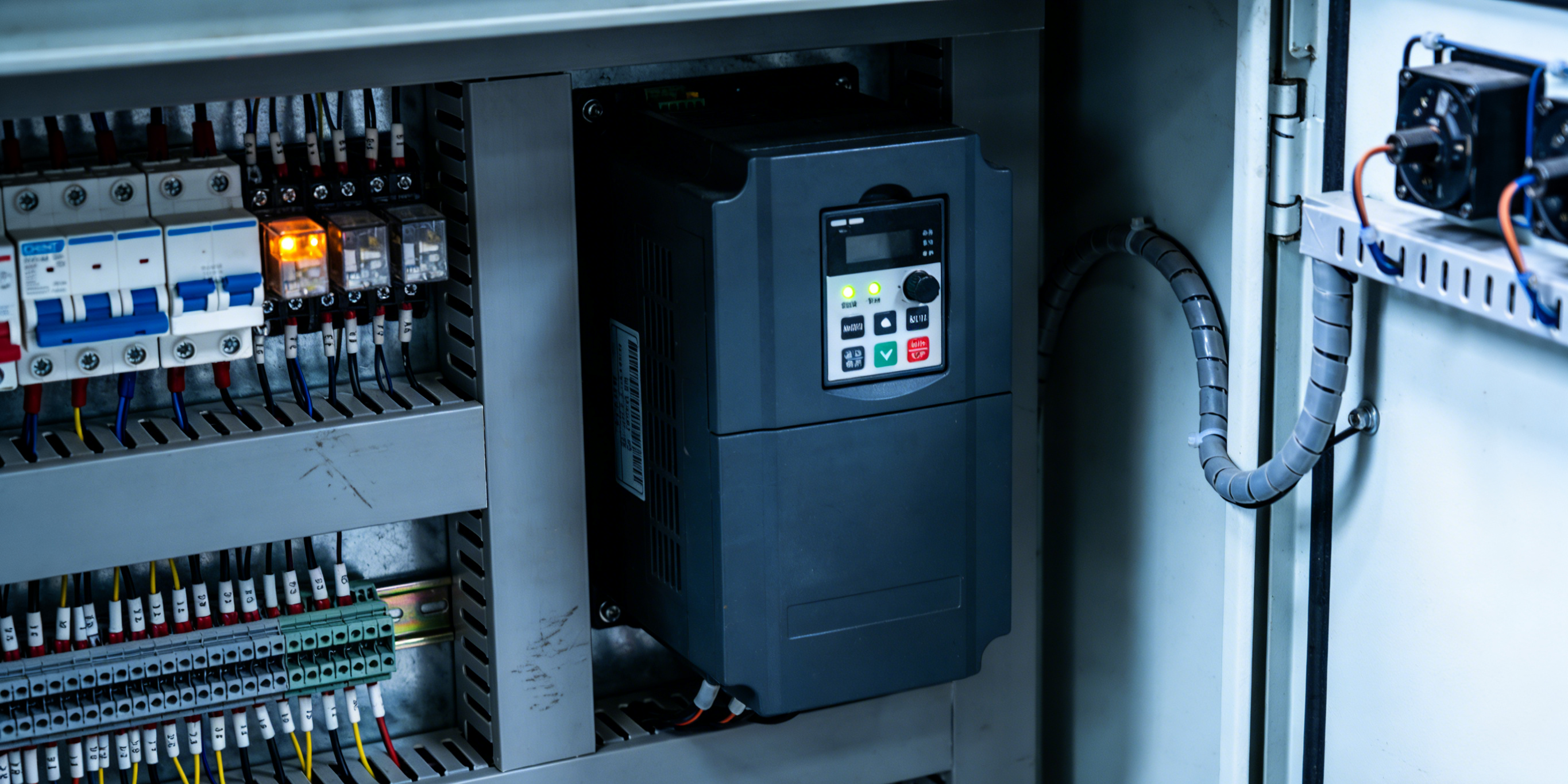
The soft starter features a compact design, requiring significantly less installation space than a variable frequency drive of equivalent power rating; it is therefore well-suited for retrofit projects involving limited space within distribution cabinets, as well as for mobile pumping stations.
4.1.4 Agitators and Lift Pumps in Wastewater Treatment
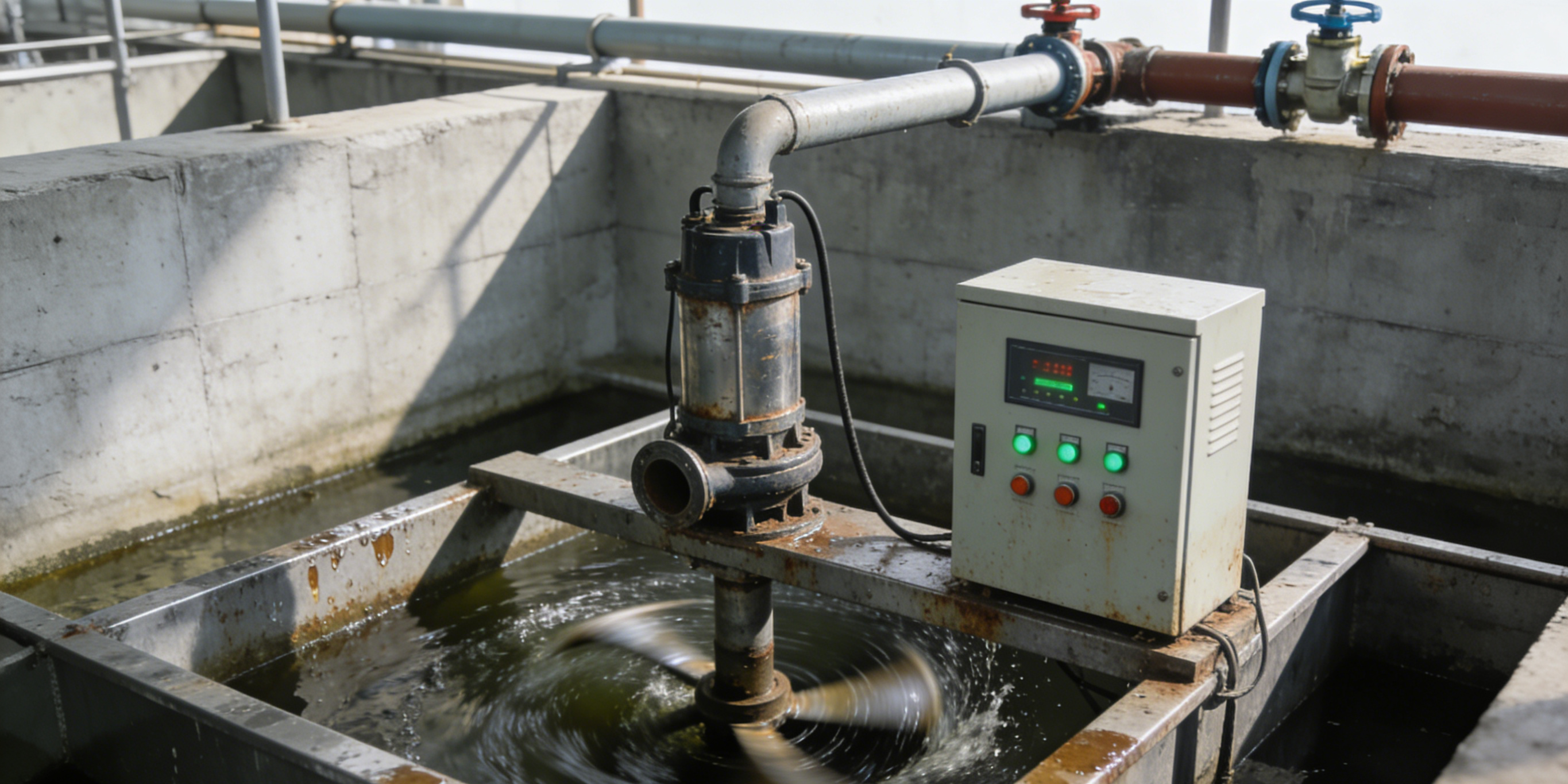
For certain wastewater lift pumps or sludge pumps, the load is relatively stable, yet the operating environment is harsh (characterized by high temperatures, high humidity, and high corrosivity); in such instances, soft starters prove more competitive due to their relatively simple structure and low maintenance costs.
4.2 Applicable Scenarios for Variable Frequency Drives (VFDs)
The comprehensive advantages of VFDs are fully realized in applications that demand precise speed control, energy conservation and consumption reduction, or accurate process control:
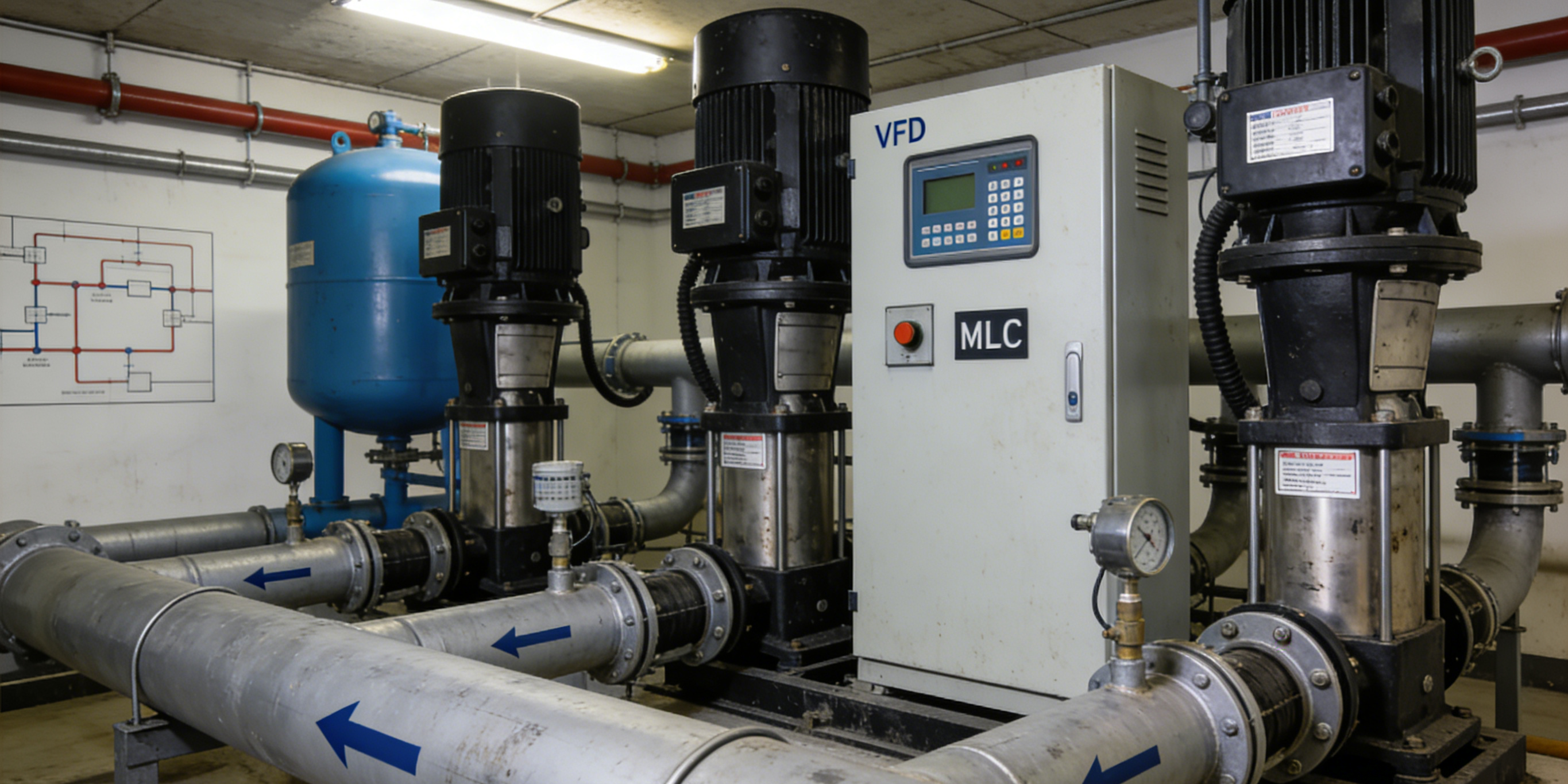
4.2.1 Constant-Pressure Water Supply for Municipal and Building Water Systems
Utilizing VFDs in conjunction with pressure sensors and PLCs to achieve constant-pressure, variable-flow control is currently the mainstream solution in the municipal water supply sector. The system dynamically adjusts pump speed in real-time based on water demand; while ensuring the stability of pipeline network pressure, it simultaneously delivers significant energy-saving benefits, with an annual comprehensive energy-saving rate typically ranging from 30% to 50%.
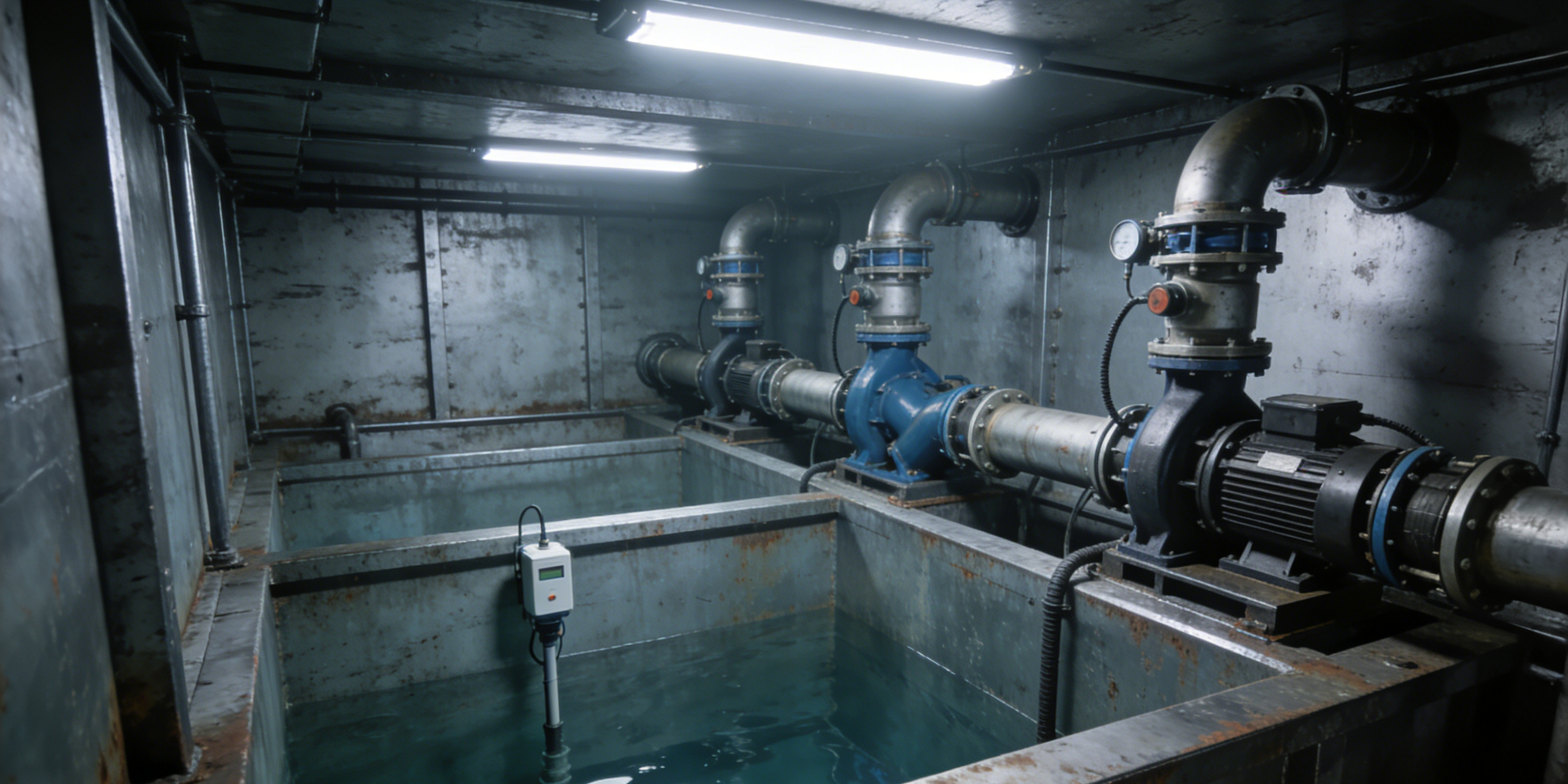
4.2.2 Lift Station
In a sewage lift station, the influent flow rate varies dynamically over time (with peak flows potentially reaching 5 to 10 times the minimum flow). By employing Variable Frequency Drive (VFD) speed control, pump speeds can be adjusted in real-time based on the liquid level in the wet well. This approach prevents frequent start-stop cycles, thereby extending equipment service life while simultaneously mitigating the detrimental effects of inrush currents on the pipeline network.
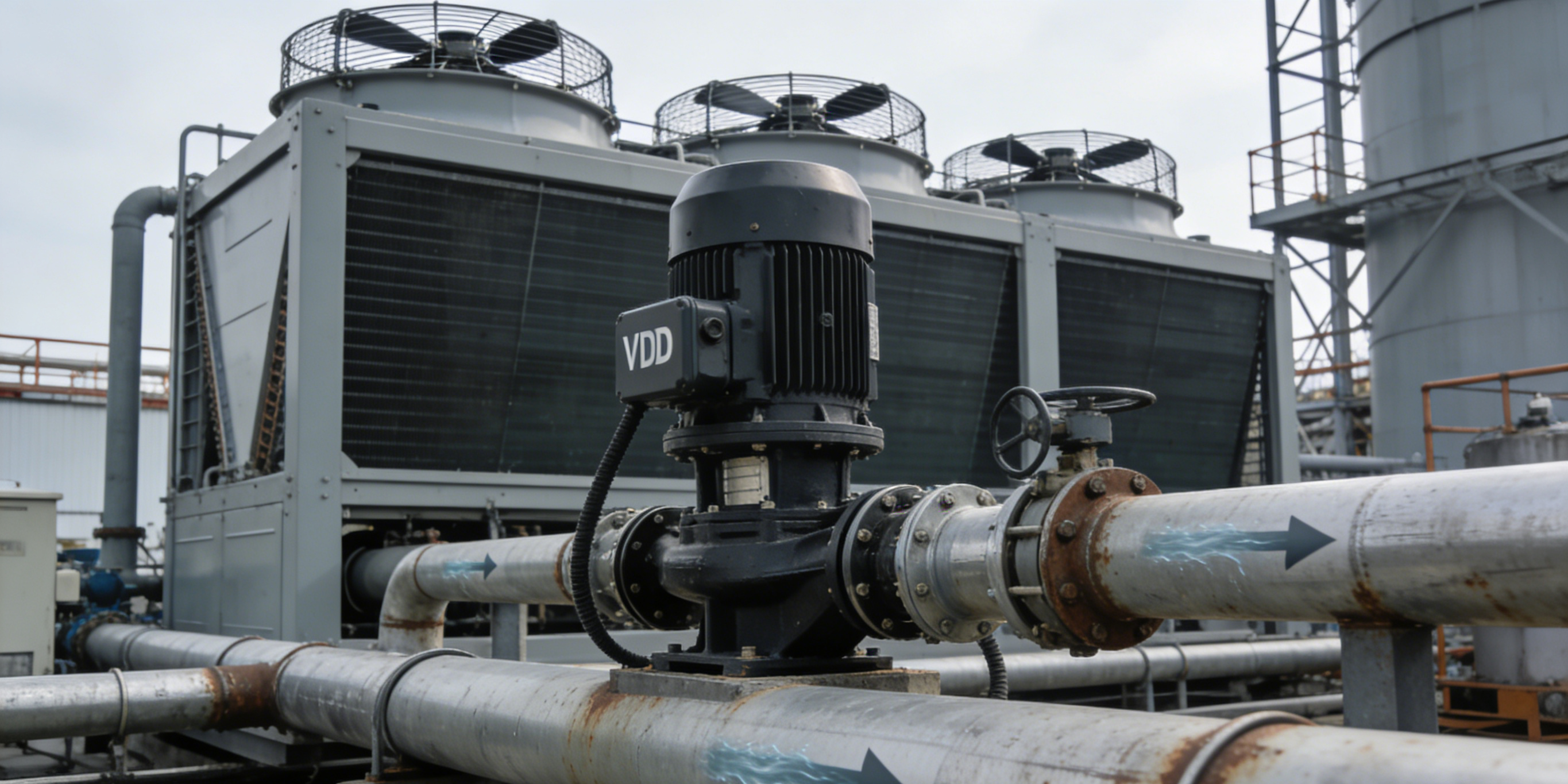
4.2.3 Industrial Cooling Water Circulation Systems
The thermal loads of factory cooling towers and chilled water circulation systems fluctuate dynamically in response to seasonal variations and production conditions. By employing Variable Frequency Drives (VFDs) for speed control, the operating power of cooling water pumps can be significantly reduced during partial-load conditions, resulting in substantial overall energy savings throughout the year.
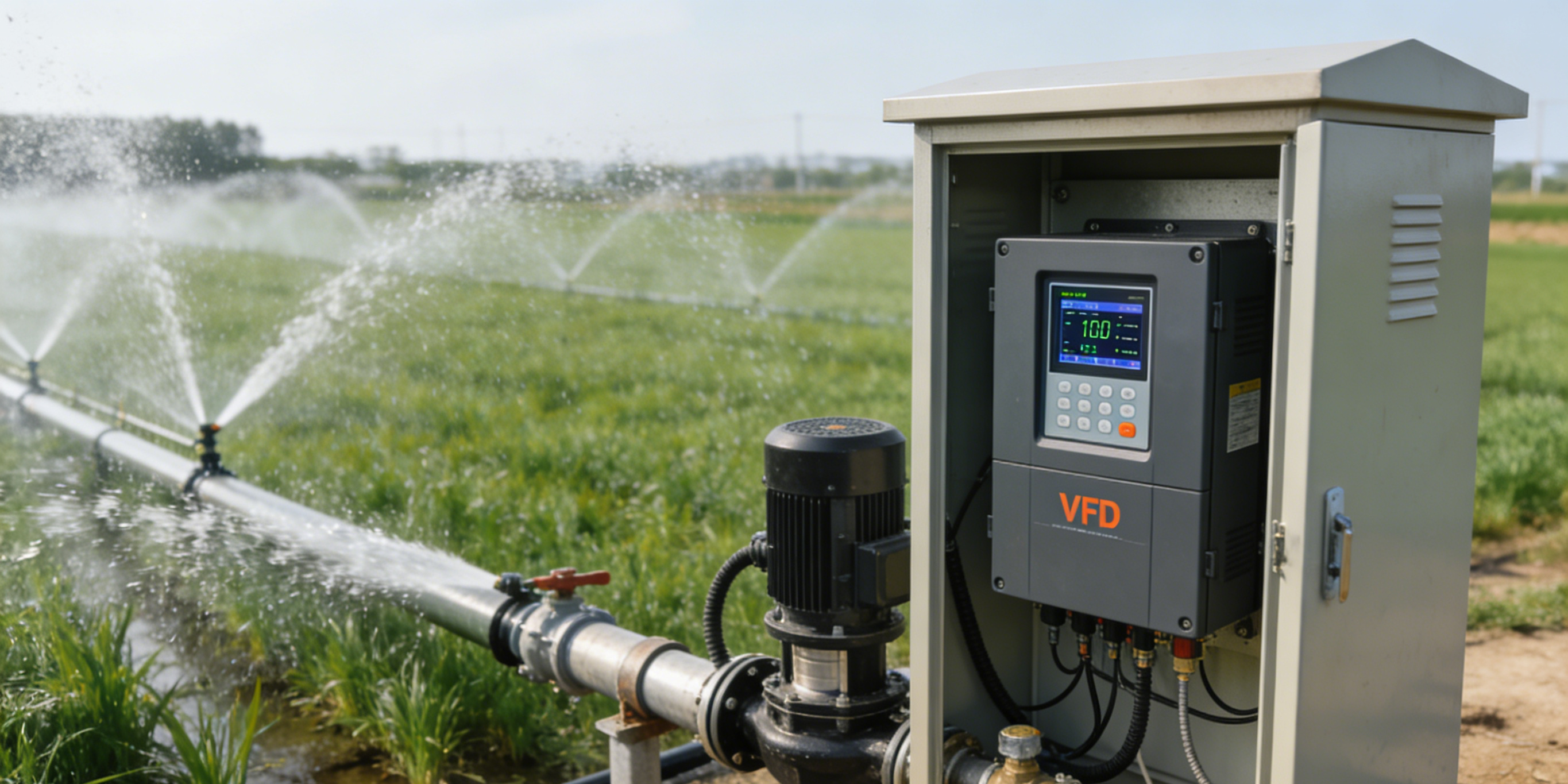
4.2.4 Agricultural Irrigation and High-Precision Flow Control
Modern precision agricultural irrigation systems require precise control over water volume; the stepless speed regulation capability of VFDs makes them the ideal control core for intelligent irrigation pumping stations.
V. Economic Analysis: Initial Investment and Total Lifecycle Cost
5.1 Initial Procurement Cost
In terms of initial procurement costs, soft starters possess a distinct advantage. Taking common power ratings as an example, the procurement cost of a Variable Frequency Drive (VFD) with equivalent power capacity is typically 2 to 3 times that of a soft starter (with the cost disparity being even greater for certain high-performance models). This cost difference is particularly pronounced when selecting equipment in the medium-to-high power range (above 75 kW).
5.2 Installation and Ancillary Costs
Due to their integrated power conversion circuitry, VFDs typically require the installation of additional output filter reactors (dv/dt filters) to protect motor insulation, as well as input harmonic filters (to comply with IEEE 519 harmonic standards). Furthermore, VFDs impose more stringent requirements regarding heat dissipation, resulting in correspondingly higher investment costs for cabinet design and ventilation systems.
The installation and ancillary requirements for soft starters are considerably simpler; aside from necessary protective switching devices, they generally do not require additional filtering equipment, and their installation and commissioning cycles are relatively shorter.
5.3 Energy Savings and Investment Payback
Although the initial investment for a VFD is higher, in applications characterized by significant variations in flow demand, the resulting energy savings can often fully offset the cost difference relative to a soft starter within 1 to 3 years, while generating substantial cumulative energy benefits over the entire equipment lifecycle (typically 15 to 20 years).
|
Economic Indicators
|
Soft Starter
|
Variable Frequency Drive (VFD)
|
|
Initial Purchase Cost
|
Low (Benchmark)
|
High (Approx. 2–3 times that of a soft starter)
|
|
Installation & Ancillary Costs
|
Low
|
Medium–High (Includes filters and other accessories)
|
|
Steady-State Energy Savings
|
None
|
Significant (Greater load variation yields greater energy savings)
|
|
Maintenance Costs
|
Low
|
Medium (Requires periodic maintenance of fans, capacitors, etc.)
|
|
Typical Payback Period
|
—
|
1–3 Years (In applications with significant flow variation)
|
|
15-Year Total Lifecycle Cost
|
High (No energy savings to offset costs)
|
Low (Energy savings can offset the initial cost difference)
|
Therefore, economic analysis should not focus solely on initial procurement costs; rather, it is essential to conduct a Life Cycle Cost (LCC) assessment—taking into account the specific application's load characteristics, annual operating hours, and local electricity rates—in order to arrive at a scientifically sound and rational selection decision.
VI. Engineering Selection Recommendations
6.1 Selection Decision Framework
In the context of actual engineering selection, it is recommended that the evaluation be conducted in accordance with the following logical framework:
|
Selection Decision Process
|
|
Step 1: Define Control Requirements → Is speed adjustment required during operation?
|
|
Yes → Prioritize a Variable Frequency Drive (VFD).
|
|
No → Proceed to Step 2.
|
|
|
|
Step 2: Assess Energy-Saving Potential → Does the load operate consistently below 70% of its rated capacity?
|
|
Yes → Prioritize a Variable Frequency Drive (VFD); calculate the payback period.
|
|
No → Proceed to Step 3.
|
|
|
|
Step 3: Assess Protection Requirements → Are a soft stop function (to prevent water hammer) and comprehensive operational diagnostics required?
|
|
Yes → Prioritize a Variable Frequency Drive (VFD) or a Soft Starter equipped with a soft stop function.
|
|
No → A Soft Starter is sufficient to meet the requirements.
|
|
|
|
Step 4: Comprehensive Cost Assessment → Conduct a Life Cycle Cost (LCC) comparison.
|
6.2 Comprehensive Selection Comparison Table
|
Selection Criteria
|
Recommended Soft Starter
|
Recommended Variable Frequency Drive (VFD)
|
|
Speed Control Requirements
|
Start/Stop control only
|
Full-range speed control required
|
|
Energy Saving Requirements
|
Stable load; limited energy-saving potential
|
Highly fluctuating load; significant energy-saving potential
|
|
Water Hammer Protection
|
Standard requirements (Soft Stop function included)
|
High-demand applications (Precise deceleration)
|
|
Installation Space
|
Prioritize Soft Starter in space-constrained environments
|
Applications with ample space
|
|
Initial Budget
|
Limited budget
|
Higher initial investment permissible
|
|
Remote Monitoring Requirements
|
Basic monitoring sufficient
|
Detailed data acquisition and communication required
|
|
Typical Applications
|
Fire pumps, industrial cooling pumps, centrifugal fans (constant speed)
|
Municipal water supply pumps, sewage lift stations, process flow control pumps
|
VII. Engineering Application Case Studies
Case Study 1: Renovation of a Municipal Secondary Water Supply Booster Station
A municipal secondary water supply booster station originally employed a direct-on-line (DOL) starting scheme. It was equipped with four 75 kW centrifugal pumps (three active, one standby), operating for an average of approximately 18 hours per day. Analysis of water supply data revealed that during peak daytime demand hours (06:00–22:00), water consumption was 2.5 to 3 times higher than during the low-demand night hours. Consequently, the original system frequently operated with its bypass overflow valve open during off-peak periods to relieve excess pressure, resulting in significant energy waste.
Renovation Solution: Three of the active pumps were converted to Variable Frequency Drive (VFD) operation (while the standby pump retained its original direct-on-line starting method). A constant-pressure water supply control system was installed, with the pipeline network pressure set at 0.35 MPa. Following implementation, the pump group's speed dynamically adjusts in response to water demand, and pipeline pressure fluctuations are maintained within a tolerance of ±2%. The comprehensive annual electricity savings rate reached 41%, with an investment payback period of approximately 18 months.
Case Study 2: Soft-Start Renovation for Industrial Circulating Cooling Water Pumps
A chemical plant's circulating cooling water system is equipped with two 250 kW cooling water pumps. While process requirements dictate a relatively stable cooling water flow rate, the direct-on-line starting method previously employed generated excessive starting currents (approximately 1800 A). This frequently triggered the plant's transformer overload protection system and caused fatigue damage to pipeline welds due to the high-current electrical shock.
Renovation Solution: Two soft starters were installed, configured with a starting duration of 12 seconds and an initial voltage set at 40% of the rated voltage. Following the renovation, the peak starting current was reduced to 2.8 times the rated current (approximately 504 A). The issue of transformer overload tripping was completely eliminated, and pipeline vibration and noise were significantly reduced. Since the flow demand for this system is essentially constant, the soft-starter solution effectively meets process requirements while keeping the renovation investment within 35% of the cost of a VFD-based solution. VIII. Conclusion
Based on a systematic comparative analysis of soft starters and variable frequency drives (VFDs)—covering their operating principles, technical performance, energy-saving benefits, applicable scenarios, and economic viability—the following key conclusions can be drawn:
- Both devices effectively suppress motor starting inrush currents, thereby safeguarding both the power grid and equipment; in this regard, they represent a superior alternative to traditional direct-on-line starting methods.
- Variable Frequency Drives (VFDs) offer full-range speed control capabilities. In operating conditions characterized by significant fluctuations in flow or pressure demand, VFDs can leverage the Affinity Laws to achieve energy savings ranging from 30% to 70%, demonstrating a distinct overall advantage in terms of total lifecycle costs.
- For constant-speed applications requiring only start/stop control, soft starters offer a motor protection solution with outstanding cost-effectiveness, characterized by lower initial costs, simpler installation and maintenance, and superior environmental adaptability.
- Engineering selection decisions should prioritize Total Lifecycle Cost (LCC) as the core evaluation criterion. A comprehensive assessment must be conducted, taking into account operating conditions, energy-saving potential, initial budget constraints, and available maintenance resources; relying solely on the initial purchase price as the basis for decision-making is strongly discouraged.
- For newly constructed industrial pumping systems, it is recommended to prioritize the evaluation of VFD-based solutions—specifically assessing the feasibility of energy-saving payback—following a thorough analysis of flow requirements. Conversely, for retrofit projects where smooth starting is the primary objective, soft starters often represent the optimal choice for balancing performance effectiveness with cost efficiency.
Zhejiang Xinhang Electric Co., Ltd. offers a comprehensive product line encompassing both soft starters and variable frequency drives. Backed by extensive experience in the integration of industrial pumping and motor control systems, the company provides engineers and procurement decision-makers with end-to-end technical support and services—spanning the entire process from initial requirements analysis and product selection to final system integration.
References
[1] Eaton Corporation. How to Choose Between a Soft Starter and a Variable Frequency Drive for Your Application[EB/OL]. (2024). https://www.eaton.com
[2] Schneider Electric. What's the Difference Between a Soft Starter and a VFD?[EB/OL]. (2024). https://www.se.com
[3] TPO Magazine. Why Should I Use a VFD Instead of a Soft Starter for Lift Station Pumping?[EB/OL]. (2025). https://www.tpomag.com
[4] Chapman S J. Electric Machinery Fundamentals[M]. 5th ed. McGraw-Hill Education, 2012.
[5] Bose B K. Modern Power Electronics and AC Drives[M]. Prentice Hall, 2001.
[6] IEEE Std 519-2022. IEEE Recommended Practice and Requirements for Harmonic Control in Electric Power Systems[S]. IEEE, 2022.
[7] National Standard of the People's Republic of China GB/T 12668.2-2020. Adjustable Speed Electrical Power Drive Systems—Part 2: General Requirements—Rating Specifications for Low Voltage AC Adjustable Speed Electrical Power Drive Systems[S]. State Administration for Market Regulation, 2020.
[8] Hydraulic Institute. Pump Life Cycle Costs: A Guide to LCC Analysis for Pumping Systems[R]. Parsippany, NJ: Hydraulic Institute, 2001.



 English
 中文简体
中文简体 عربى
عربى




 浙公网安备33038202003754号