Smart Circuit Breaker Buyer's Guide (4G IoT Models): Features, Testing, and What to Specify
A 4G remote control circuit breaker is often chosen for sites where wired networks or Wi‑Fi are unreliable, or where teams need fast visibility across multiple locations. The challenge is that "smart" can mean very different things depending on the product—so a clear checklist helps avoid commissioning delays and mismatched expectations.
1) Start with the job: monitoring, control, or both
Before comparing models, define the core requirement:
- Remote monitoring: on/off status, trip indication, alarms, event history
- Remote control: open/close commands, schedules, load shedding
- Operations support: fault logs that reduce troubleshooting time and site visits
Clear use cases make feature selection (and pricing) much cleaner.
2) Protection performance still comes first
For any IoT circuit breaker, confirm:
- rated current, breaking capacity, and trip characteristics
- coordination with upstream/downstream protection devices
- consistency under expected load cycles (to reduce nuisance trips)
Smart functions are only valuable if the breaker's protection behavior is solid.
3) 4G details that impact field reliability
Key items that often get missed:
- region band compatibility, SIM/APN requirements, and network stability expectations
- behavior during signal loss (event buffering, auto-reconnect logic)
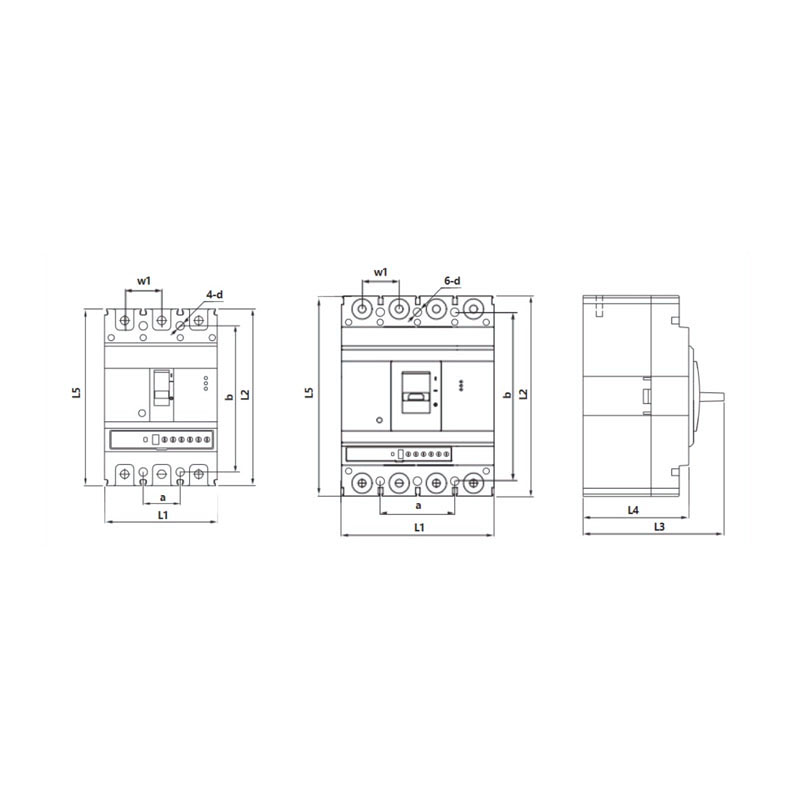
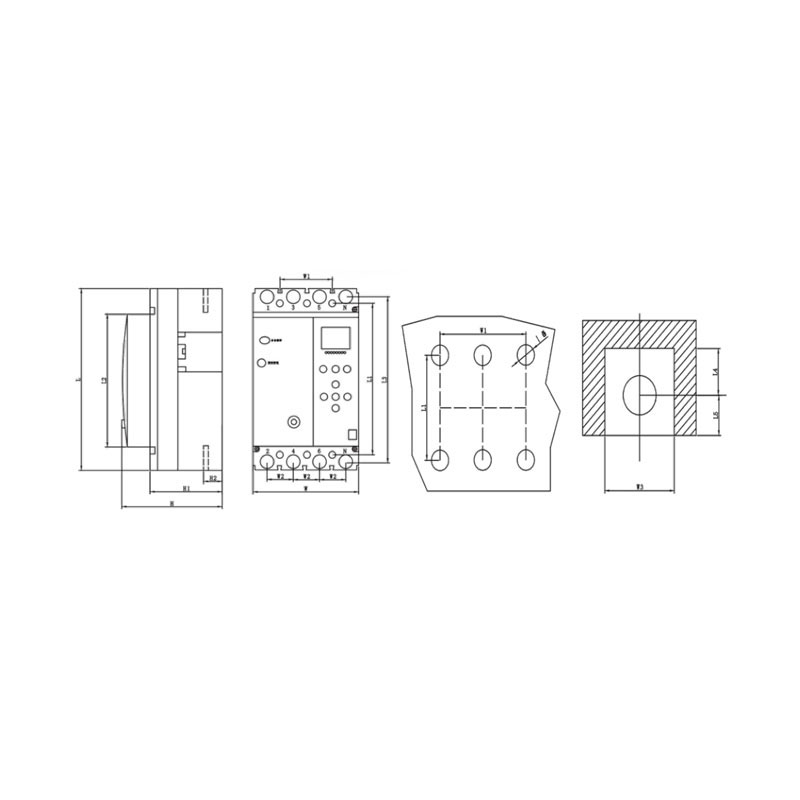
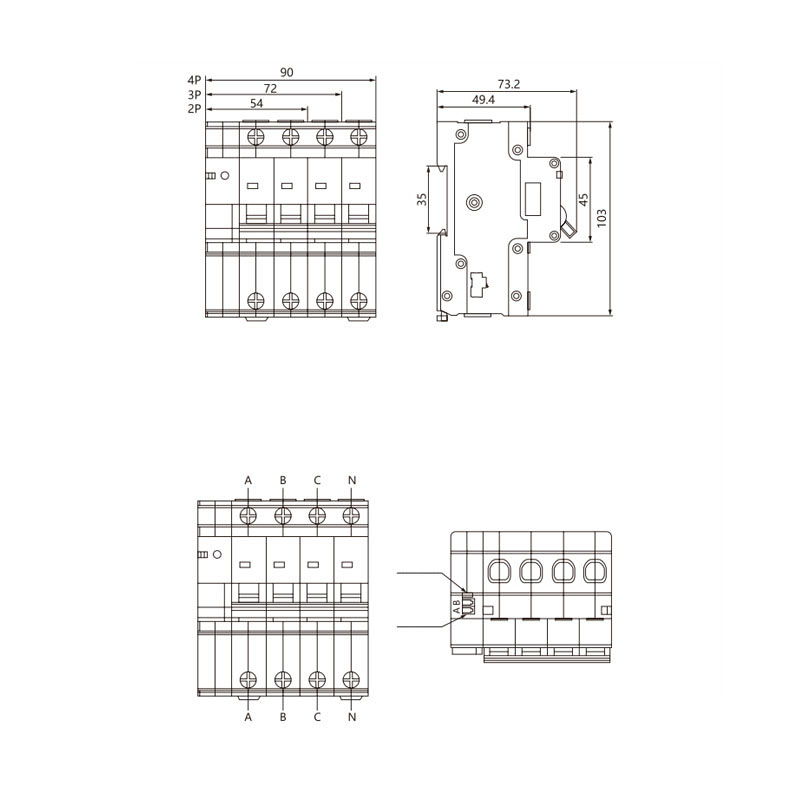
- installation environment (panel depth, heat, EMI conditions)
4) Ask for testing coverage and compliance evidence
To reduce project risk, verify:
- factory electrical verification and calibration approach
- durability, safety, and environmental adaptability testing
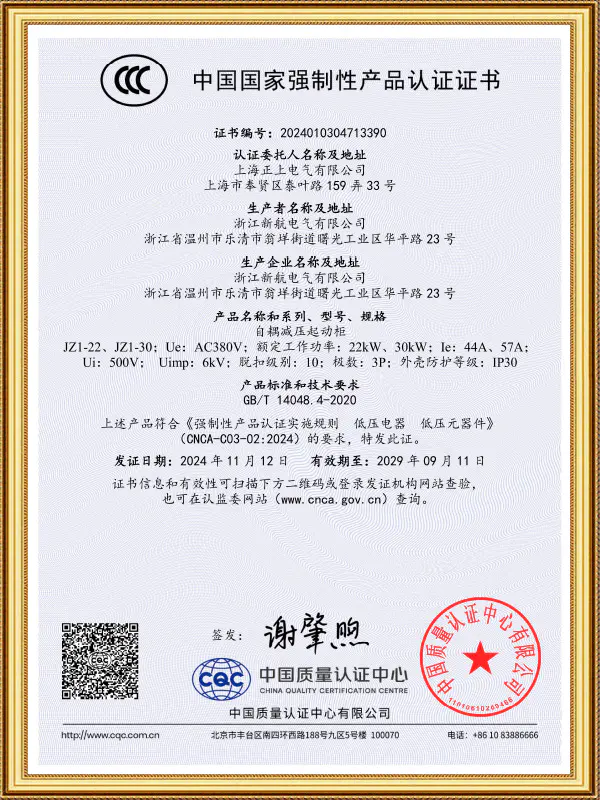
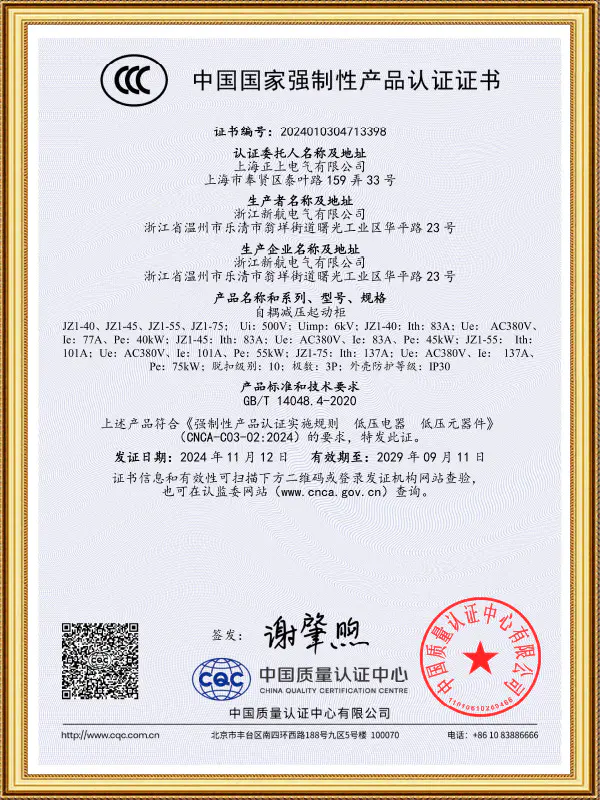
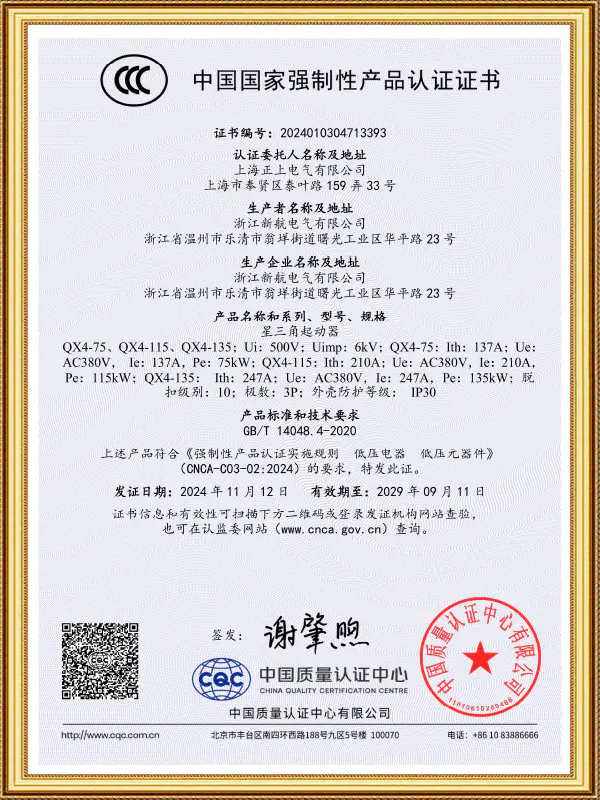
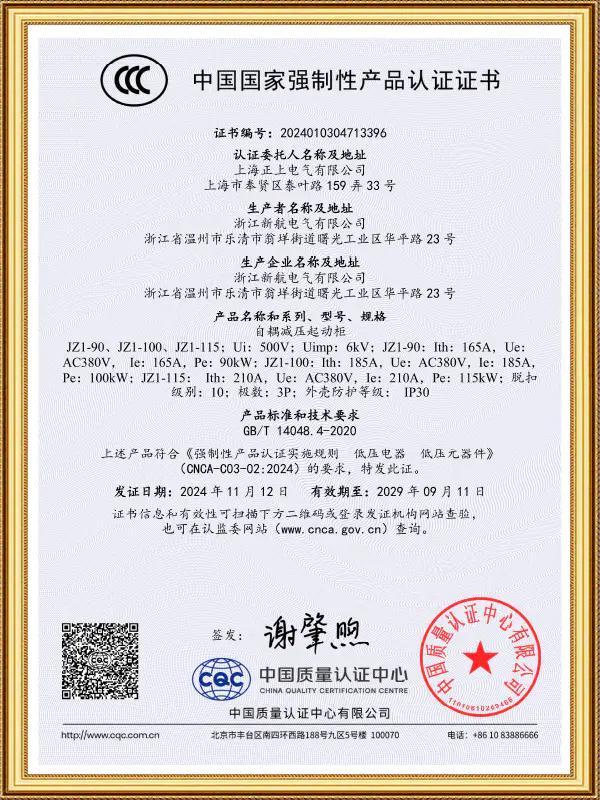
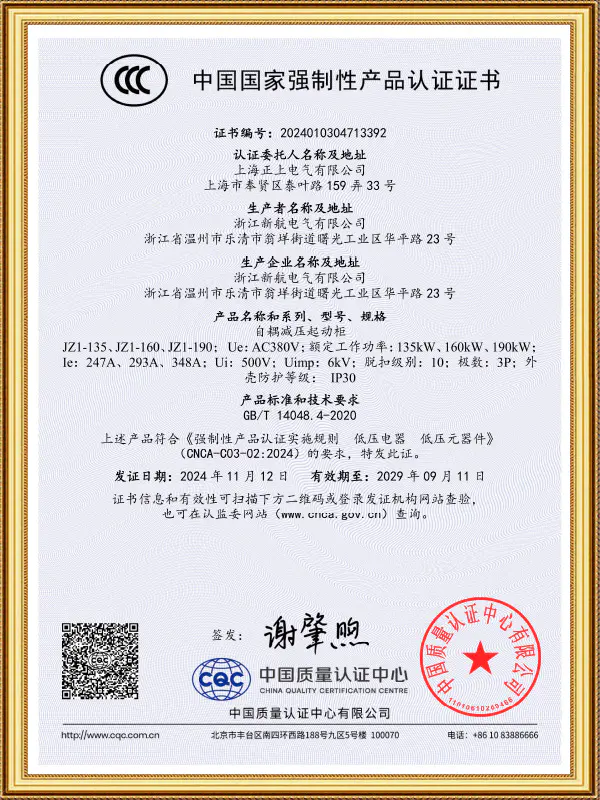
- certification documentation (e.g., ISO, CCC, plus project-required standards)
A well-made smart circuit breaker earns its place in the panel for two reasons: it protects the circuit consistently, and its remote features (including 4G control/monitoring) keep working after installation—not just in a demo. When the basics are agreed early—your operating scenario, site communication conditions, required test validation, and certification targets—projects typically pass review faster and commissioning goes more smoothly with fewer last-minute changes. As an established IoT circuit breaker supplier, Zhejiang Xinhang Electric Co., Ltd. supports this process with reliable production, stable quality, and practical product matching so you can choose a configuration that fits your distribution system and rollout plan.



 English
 中文简体
中文简体 عربى
عربى













 浙公网安备33038202003754号