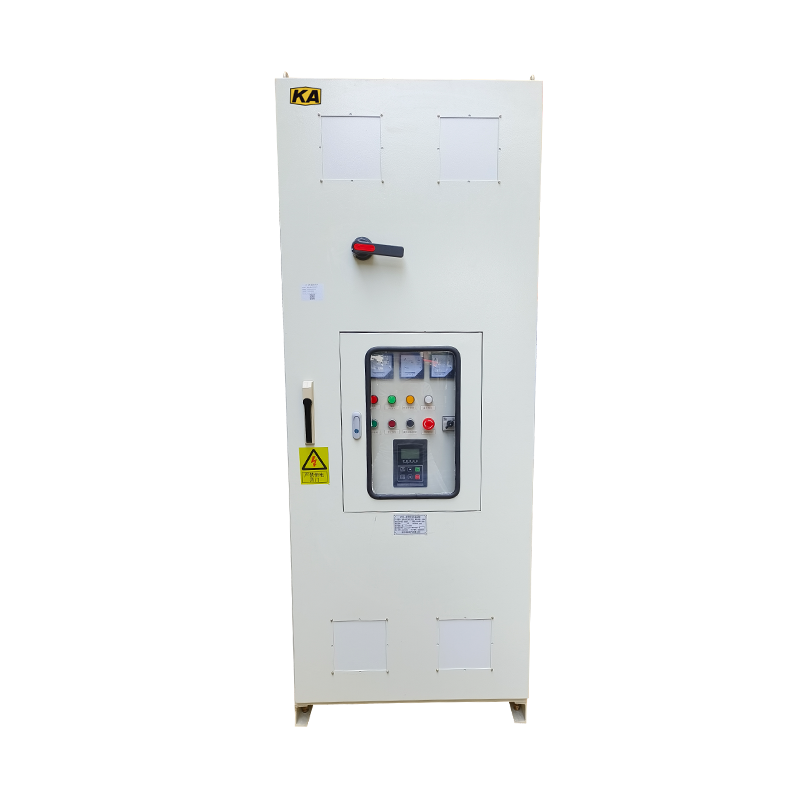
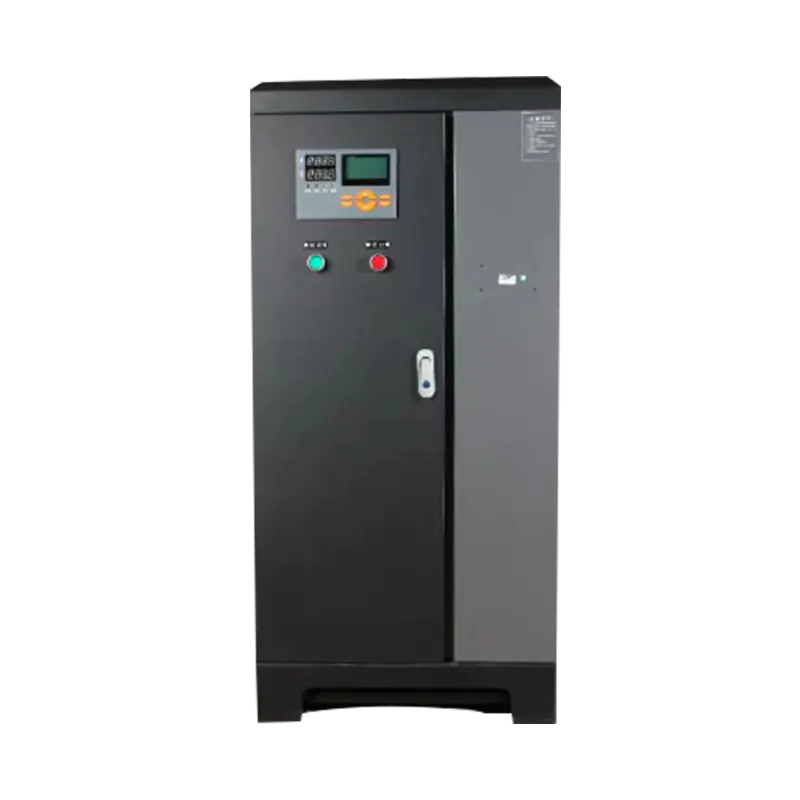
Motor Starter Cabinet form the backbone of electrical systems in factories, warehouses, and processing facilities. They house the controls that start, stop, and protect the motors driving conveyors, pumps, fans, compressors, and other essential equipment. Years ago, these were basic metal boxes with contactors and overload relays — nothing fancy. Today, they've become centralized hubs that combine protection, precise control, energy management, and data collection.
The shift happened as plants pushed for less downtime, stricter safety rules, and tighter budgets. Simple on/off setups couldn't keep up with bigger motors, more complex processes, or the demand for reliable operation around the clock. In response, the demand for a high-quality Starter Cabinet in China has grown, with modern cabinets now packing multiple layers of safeguards and smart features that make a real difference in day-to-day operations.
How Starter Cabinets Have Changed
Early cabinets did one job: connect power to a motor when you hit the start button and cut it when you stopped. They offered little defense against electrical problems or mechanical wear. If a motor overloaded or a short circuit hit, damage often followed quickly, leading to expensive repairs and lost production time.
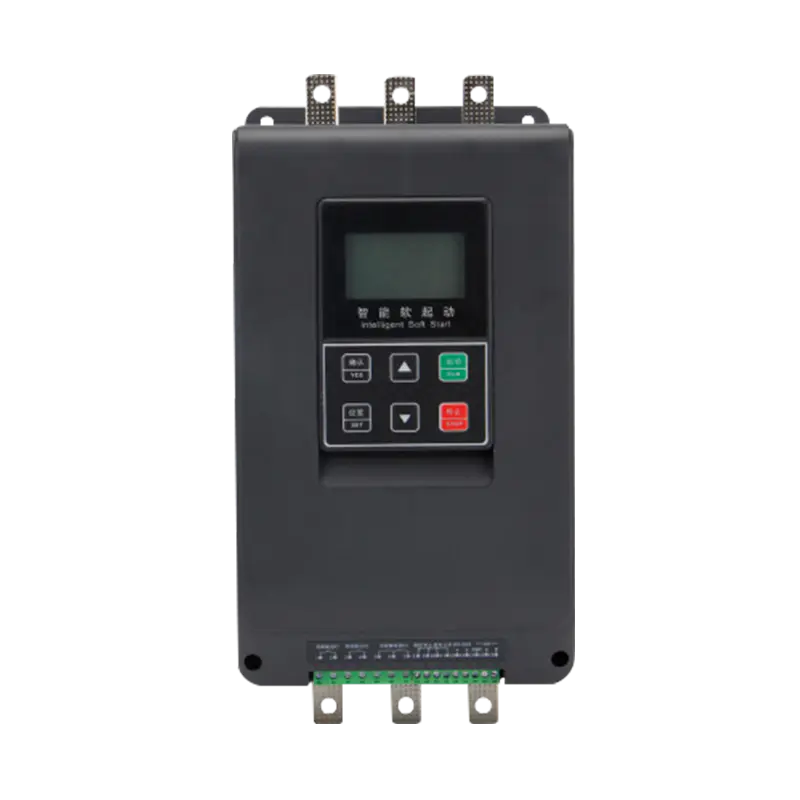
As machinery grew more demanding, manufacturers added better components. Today's starter cabinets — often part of larger motor control centers (MCCs) — integrate contactors, circuit breakers, overload protection, and increasingly variable frequency drives (VFDs) or soft starters. They serve as a single organized point for managing multiple motors while keeping wiring clean and maintenance accessible.
Safety Built Into the Design
Electrical hazards remain a constant concern in any industrial setting. Good starter cabinets tackle the main risks head-on.
Overload protection monitors current draw and trips the circuit before a motor overheats or burns out windings. Short-circuit protection uses fast-acting breakers or fuses to clear faults quickly, preventing fires or widespread damage. Thermal sensors watch for rising temperatures in the motor or cabinet itself and can shut things down or trigger alarms before problems escalate.
Many newer panels also include ground-fault detection and arc-flash mitigation features. When all these elements work together, they reduce the chance of sudden failures, protect workers, and help facilities meet current safety standards without needing layers of extra relays and wiring.
Controlling Motors More Effectively
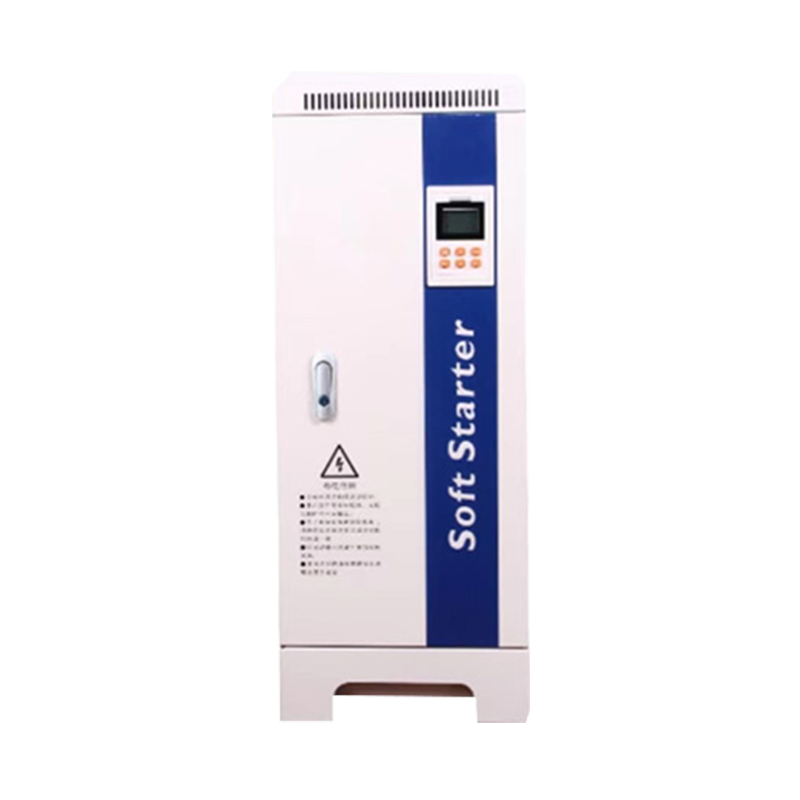
Starting a large motor across the line creates a massive inrush current that stresses the electrical system and slams mechanical parts like belts, gears, and bearings. Soft starters solve much of that by ramping up voltage gradually, giving the motor a smoother takeoff with far less mechanical shock.
| Feature |
Description |
| Inrush Current |
Starting large motors causes a surge that stresses electrical and mechanical components. |
| Mechanical Stress |
Belts, gears, and bearings experience high strain during abrupt startups. |
| Soft Starter Benefit |
Gradually ramps up voltage, enabling smoother motor startup with reduced mechanical shock. |
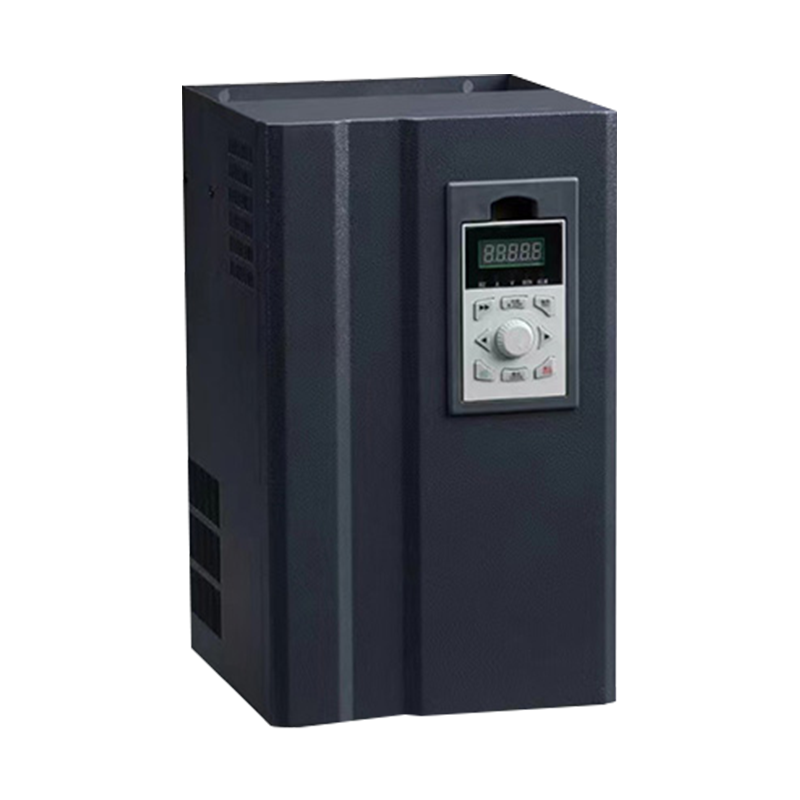
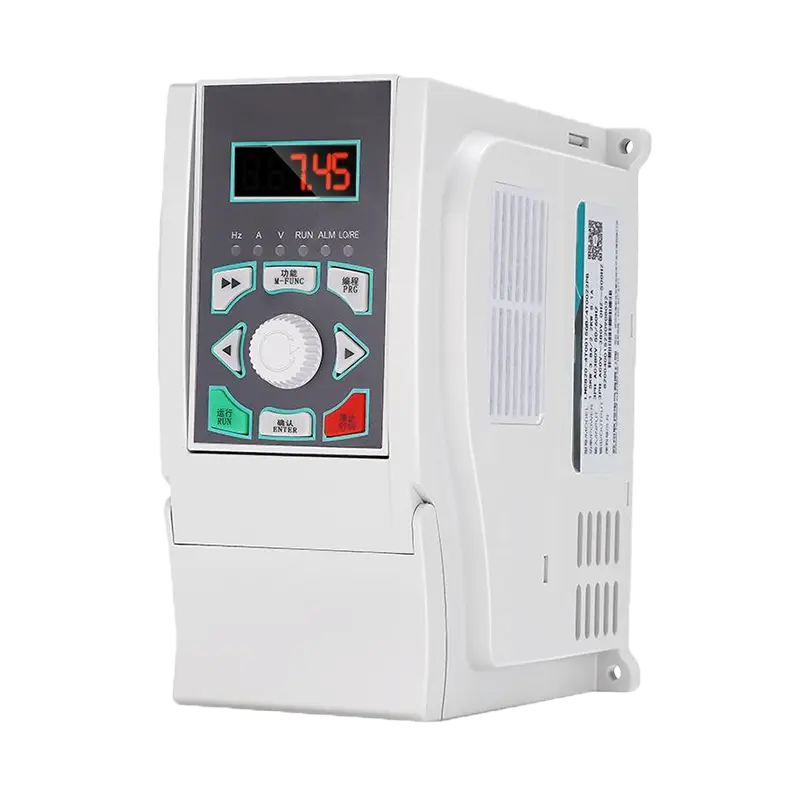
Where processes need more flexibility, VFDs take control further. They don't just ease the startup — they adjust motor speed continuously to match the actual load. A pump running at half speed during low demand uses significantly less power than one running flat out and throttled by a valve. Conveyors, mixers, and fans all benefit from this kind of precise speed control.
Reversing capability is another practical addition. Many material-handling setups need motors that can run forward or backward without complicated extra contactors. Building that into the cabinet simplifies installation and control logic.
Monitoring That Helps Predict Trouble
One of the most useful upgrades is the addition of monitoring. Instead of reacting to breakdowns, operators can watch key parameters in real time: current, voltage, temperature, run hours, and number of starts.
This data feeds into predictive maintenance programs. A gradual rise in temperature or unusual current patterns often signals bearing wear, misalignment, or insulation issues long before failure occurs. Maintenance teams can schedule work during planned outages instead of scrambling during emergencies.
Remote access has become common too. Supervisors or technicians can check cabinet status from a control room or even off-site via secure networks. Historical logs help spot trends, fine-tune processes, and justify equipment upgrades.
Cutting Energy Use Without Sacrificing Performance
Motors consume a huge share of industrial electricity. Starter cabinets help rein that in.
Soft starting eliminates those heavy inrush spikes that strain transformers and raise demand charges. VFDs go further by matching speed to demand, especially on variable-torque loads like centrifugal pumps and fans, where power drops dramatically with reduced speed.
| Feature |
Benefit |
| Soft Starting |
Reduces inrush current, protecting transformers and lowering demand charges. |
| Variable Frequency Drive (VFD) |
Adjusts motor speed to match load, saving energy on variable-torque applications like pumps and fans. |
Less mechanical stress also means fewer repairs and replacements over time, which indirectly saves energy and resources. Many plants now factor these savings into payback calculations when upgrading older across-the-line starters.
Built to Adapt as the Plant Changes
Production setups never seem to stand still. One month you're running steady output; the next, you're adding a new line or changing how materials move through the process. That's why modular starter cabinets have become so common. You can slide in extra sections, swap out breakers or drives, or rearrange the layout without tearing the whole panel apart. Standardized bus systems and plug-in modules cut down on the usual headaches of on-site rewiring and custom fabrication.
The controls themselves can be set up exactly the way the process demands. You might need motors that lock out until upstream equipment is ready, or automatic restart logic that brings everything back online safely after a brief power glitch. Many cabinets now tie directly into the plant's PLC or SCADA network, so one unit can talk to the others and keep the whole sequence running in sync with very little hands-on intervention.
Making the Right Call on Selection and Installation
Picking the right starter cabinet begins with a clear look at the real job it has to do. You need to match it to the motor horsepower, how often it starts and stops, the expected duty cycle, and the conditions it'll face — whether that's heavy dust, occasional washdowns, extreme heat, or freezing cold. It also has to play nicely with the rest of the automation system already in place.
Installation details still make or break performance. Proper wire sizes, clean tight grounding, and enough airflow or cooling inside the enclosure are non-negotiable. Cut corners here and even the most advanced cabinet can underperform or become a maintenance headache.
And don't overlook the people side. Operators should know how to interpret the alarms and use the monitoring screens effectively. Maintenance technicians need hands-on familiarity with the differences between soft starters and variable frequency drives, along with practical troubleshooting skills for each. A little training goes a long way toward keeping things running without constant calls for outside help.
When everything lines up — good selection, solid installation, and knowledgeable staff — a well-spec'd starter cabinet becomes one of those quiet assets that improves safety, cuts unexpected downtime, trims energy costs, and stretches the life of the motors and machinery it serves. In today's plants, those advantages matter more than ever.
Zhejiang Xinhang Electric Co., Ltd.
Within China's rapidly expanding industrial landscape, motor starter cabinets are increasingly assuming a pivotal role in ensuring the reliability, efficiency, and safety of industrial operations. Manufacturers such as Zhejiang Xinhang Electric Co., Ltd. are actively responding to the diverse needs of various Chinese industries by designing starter cabinets that integrate advanced motor control, intelligent monitoring, and protective functions to meet the demands of a wide array of application scenarios.
Driven by an unwavering commitment to adaptability and quality, these starter cabinets not only provide robust support for the operation of high-performance machinery but also work in synergy with the broader objectives of enhancing operational efficiency and optimizing energy management.



 English
 中文简体
中文简体 عربى
عربى




 浙公网安备33038202003754号