Running a farm means keeping electricity flowing to pumps pulling water from wells, fans moving air in barns, and lights or heaters keeping things going in greenhouses or drying sheds. The power often travels long distances over lines that were never built for heavy modern loads. Voltage drops, sudden trips, and high startup surges on motors eat into the budget and create headaches when equipment sits miles from the house.
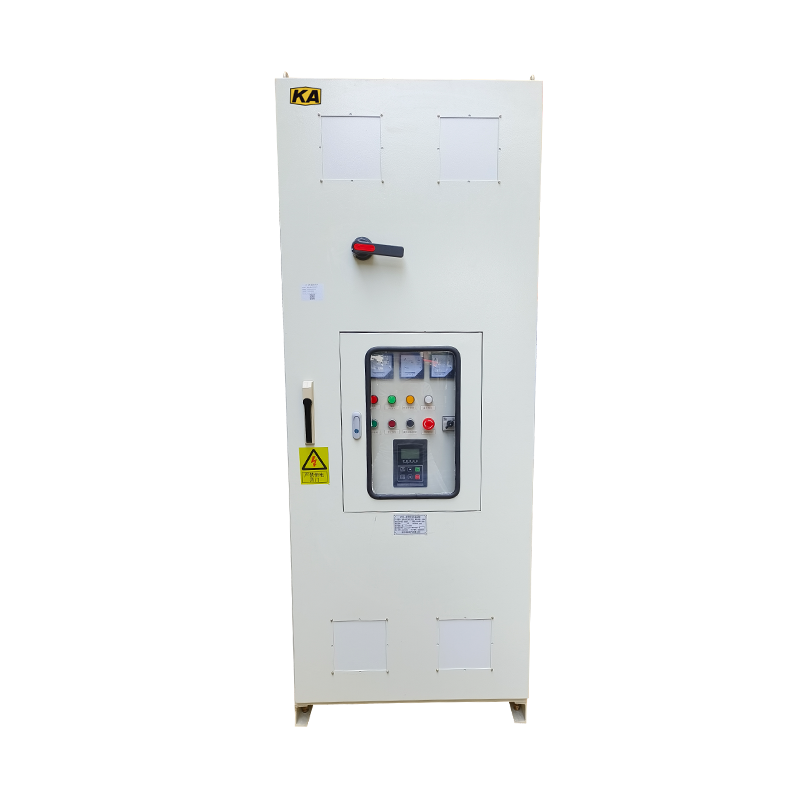
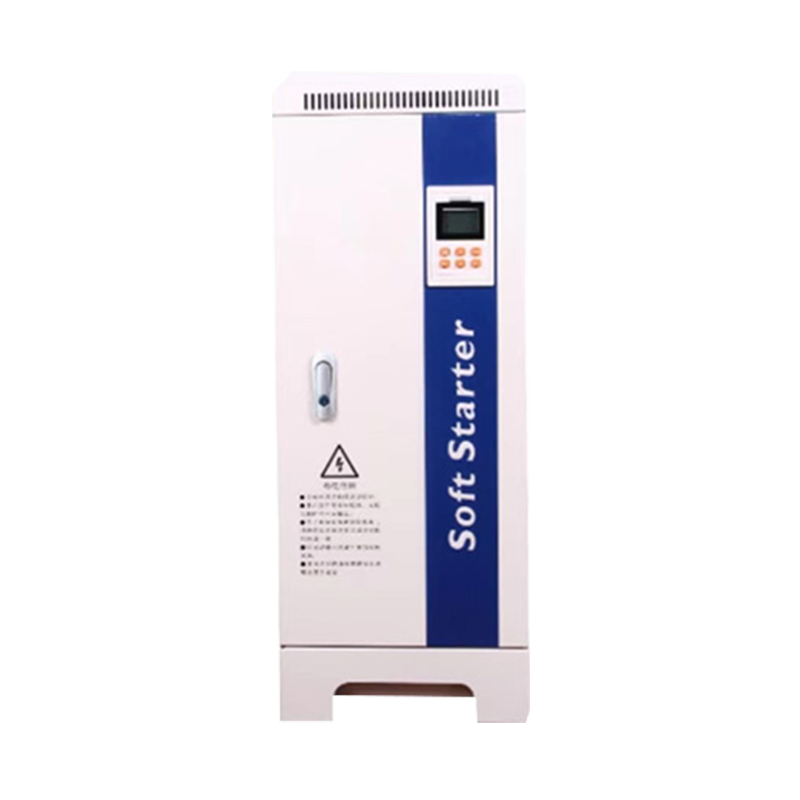
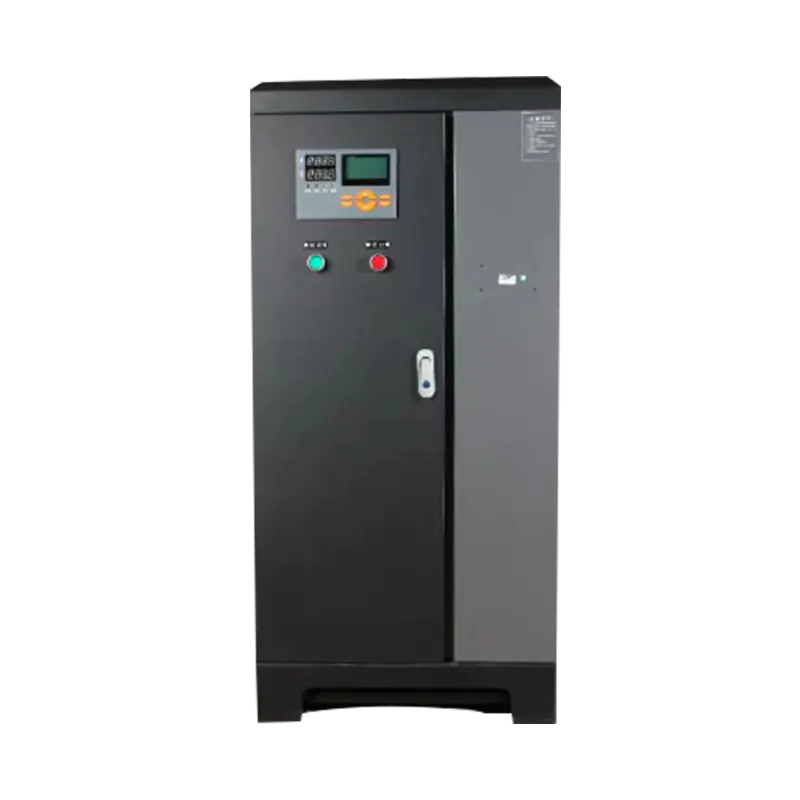
Many operators now pair a 4G Remote Control Circuit Breaker with a Soft Starter Cabinet. Together, these solutions give a clearer view of what's happening out in the fields and reduce the electrical shock that hits the system every time a big pump kicks on. No magic fixes, just practical ways to cut unnecessary wear and keep operations steadier through the seasons.
The Reality of Long Runs in Rural Power
On larger operations, power lines stretch across open ground to reach pivot irrigators, remote wells, or livestock watering points. Resistance in those long conductors turns some energy into heat, especially when several motors pull hard at the same time. Weather, loose connections, or shared lines with neighbors can make voltage wobble.
In the past, a tripped breaker meant hopping in the truck at any hour to reset it or figure out why current spiked. Remote breakers change that. They send updates on voltage, current, and load straight to a phone or computer. If something overloads or shorts, the breaker opens on its own and sends an alert. You can check the situation without driving out, then decide whether to reset remotely or head over with the right tools.
This matters most during irrigation season when pumps run for hours. A developing issue like a clogged intake or low water level might show up first as unusual current draw. Spotting it early keeps the system from running into bigger trouble and avoids wasted trips across muddy or frozen fields.
Smoothing Out Pump and Irrigation Starts
Irrigation pumps take a beating. When a large motor starts across the line, it pulls several times its normal current for a few seconds. That surge stresses windings, belts, couplings, and the pipe network. In rural setups with long feeds, the dip in voltage can affect other equipment on the same line.
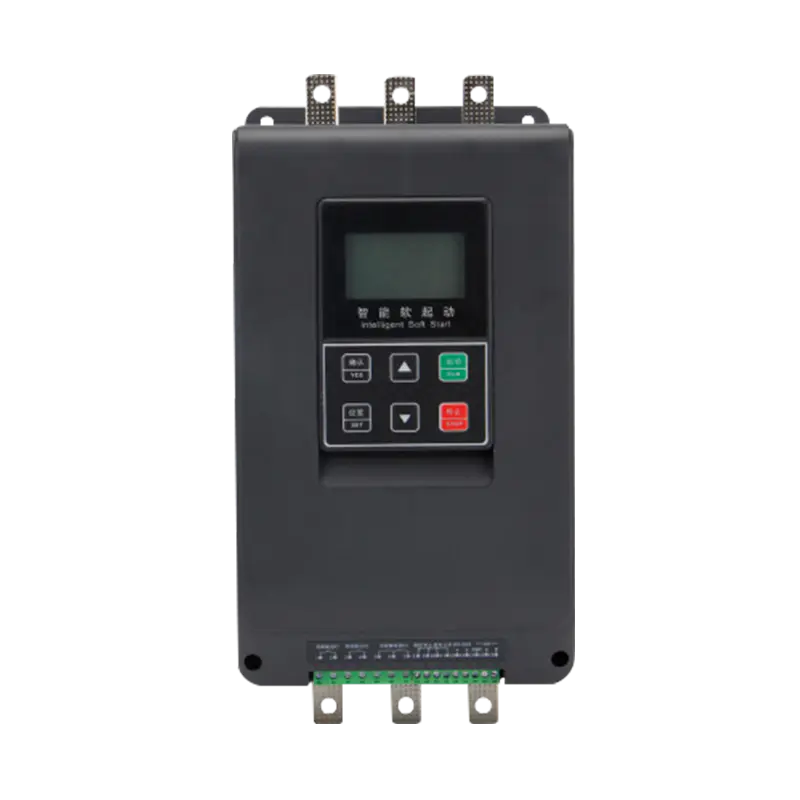
A soft starter cabinet ramps the voltage up gradually instead of hitting the motor with full power right away. The startup current stays lower, mechanical parts see less sudden torque, and water hammer — that banging pressure wave in the pipes — eases off. Over hundreds of cycles in a season, bearings and seals last longer, and the electrical supply sees fewer violent swings.
| Feature |
Benefit |
| Soft Starter Cabinet |
Gradually ramps voltage, reducing startup current and mechanical stress. |
| Mechanical Protection |
Less sudden torque on bearings, seals, and couplings. |
| System Stability |
Minimizes water hammer and voltage swings, extending equipment life. |
Pair the soft starter with remote breaker monitoring and you get both gentler operation and eyes on the system. During a hot stretch when every pump needs to run, you can watch load levels from the cab or kitchen table and make small schedule tweaks to avoid overloading the line. The combination helps the whole setup behave more predictably even when conditions change fast.
Living with Seasonal Swings in Demand
Farm power use rarely stays flat. Spring planting might mean lighter loads, but peak irrigation or harvest drying can push the system hard, sometimes right when neighbors are doing the same. Utilities in rural areas often have demand charges based on the highest usage in a period, so a few bad spikes matter.
Remote breakers keep a running record of consumption. Looking back over weeks shows patterns — higher draws in the heat of the afternoon, or extra ventilation needs after a warm front moves through. Operators use that information to shift non-critical loads or stagger pump starts so the biggest draws don't stack on top of each other.
Soft starters help here too. Each motor activation stays within tighter bounds instead of creating random heavy inrush that could push the meter into a higher billing tier. Over a full year the data and smoother starts make it easier to plan around rate structures and keep the farm’s electrical footprint more even.
Cutting Losses on Long Rural Lines
Long conductors lose energy through simple resistance, and the effect gets worse under heavy or unbalanced loads. Dust, vibration from equipment, and temperature swings loosen connections over time. Every big motor start adds extra current that heats the wires more than steady running does.
With remote monitoring, operators notice when voltage at the far end drops more than usual or when current on one phase runs higher. That points to spots needing attention — a corroded joint, unbalanced loads, or a pump starting to bind. Fixes can happen during slower periods instead of after a failure stops irrigation in the middle of a dry spell.
Soft starting reduces those peak currents across the board. When multiple pumps share a feeder, controlled ramps mean the combined load never hits the same extremes. The line runs cooler, voltage stays steadier at the equipment, and motors work closer to their normal efficiency instead of fighting low voltage by pulling extra amps.
Putting It to Work on the Ground
Every farm layout differs, so choices start with the actual motors, distances, and conditions. Horsepower, how often equipment cycles, soil type that affects grounding, and exposure to weather all play a role. Talking with the local utility about their line capacity and any demand programs helps avoid surprises.
| Factor |
Consideration |
| Motor Specifications |
Horsepower and how often equipment cycles. |
| Distance & Layout |
Length of power runs and farm layout impact voltage and wiring needs. |
| Environmental Conditions |
Soil type affecting grounding, exposure to weather, dust, or moisture. |
| Utility Coordination |
Verify line capacity and demand programs with the local utility. |
Installation needs solid wiring sized for the run lengths, good grounding, and enclosures that stand up to dust, rain, or snow. Ventilation or shading keeps the equipment from cooking in direct sun. Once everything is in, checking connections regularly still matters — technology does not replace basic maintenance.
Operators and crew need time to get comfortable with the alerts and data. Understanding normal variations versus real problems comes with experience. Maintenance staff learn the feel of a soft-started motor compared with older direct starts, which helps when troubleshooting in the field.
What Operators Notice Over Time
After a season or two, many report steadier voltage at the end of long lines and fewer nuisance trips. Pumps and fans seem to run with less vibration and noise on startup. Repair calls drop for things like burnt contacts or sheared couplings. Energy bills tend to flatten out as peaks shrink and scheduling improves.
Safety improves in quieter ways. Less driving at night or in bad weather to reset breakers reduces fatigue and exposure. When an alert comes in, you can assess it before heading out, often arriving with the right parts instead of guessing.
In areas where utilities offer incentives for load management, farms with remote control find it easier to participate. Shifting a few pump cycles or staggering starts can qualify for credits while helping the shared rural grid stay reliable.
Adapting as Conditions Change
Weather patterns shift, water tables move, and markets push for tighter efficiency. Farms that track their electrical data and use smoother motor control have more room to adjust. They might change irrigation timing around forecasted rain or scale ventilation during unexpected heat without overloading the supply.
The remote breaker and soft starter approach fits into existing systems by focusing on the points where power meets the motors that do the real work. As data builds up, operators often spot small tweaks — changing the order of pump starts by ten minutes or adjusting ramp settings — that add up through the year.
Rural power will always have its limits compared with urban grids. Long lines, variable loads, and weather exposure are facts of life. Tools that give visibility and reduce mechanical and electrical shocks help work within those limits rather than fighting them.
Many operators say the biggest gain is simply peace of mind. Instead of wondering whether a distant pump is running properly or worrying about a trip that stops water flow at dusk, they check a screen, make a call if needed, and keep moving. Equipment lasts longer under daily use, power costs stay more predictable, and the crew spends less time chasing electrical gremlins and more time on the actual farming.
In the end, it comes down to making the everyday reality of scattered equipment and long supply lines a little more manageable. For farms dealing with distance, seasonal swings, and the constant pressure to control costs, these capabilities have become part of keeping things running without constant drama.



 English
 中文简体
中文简体 عربى
عربى




 浙公网安备33038202003754号