Frequency Converter (VFD) Selection Guide for Pumps, Fans, and Conveyors: What Engineers Should Confirm Before Ordering
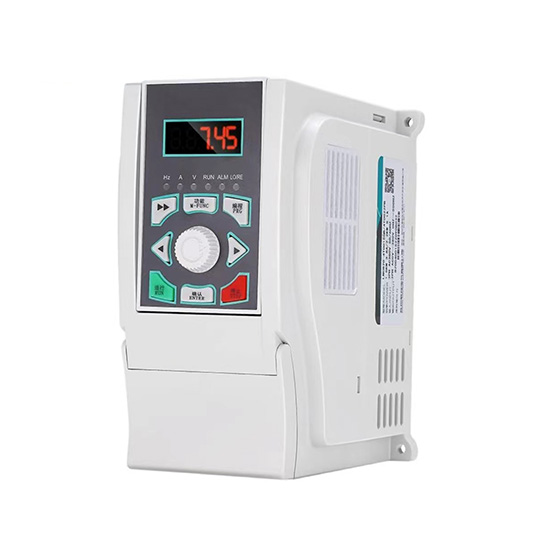
A frequency converter is easy to quote and surprisingly easy to get wrong. Many "VFD problems" are actually selection or installation mismatches—wrong voltage class, undersized current rating, poor cooling, or missing control details that only show up during commissioning. If you're sourcing VFDs for OEM production or project delivery, a short checklist upfront can prevent a long list of site issues later.
1) Start with what the motor really needs (not just kW/HP)
For accurate VFD sizing, confirm:
- Motor rated current (FLA), voltage, frequency, and base speed
- Duty and load behavior: variable torque (pump/fan) vs constant torque (conveyor/mixer)
- Expected speed range and whether low-speed torque is required
kW/HP alone can hide overload risk—FLA and load type tell the real story.
2) Match the site power and the cabinet environment
Before you pick options, verify:
- Input supply: voltage tolerance, 50/60 Hz, grounding practice
- Ambient temperature, dust, ventilation, and mounting space
- Cable length and whether output filtering is needed for long motor leads
Many nuisance trips come from heat and wiring realities, not from the drive itself.
3) Define control and communications early
A VFD that runs locally may still fail a project if it can't integrate cleanly. Specify:
- Required I/O (start/stop, speed reference, fault signals)
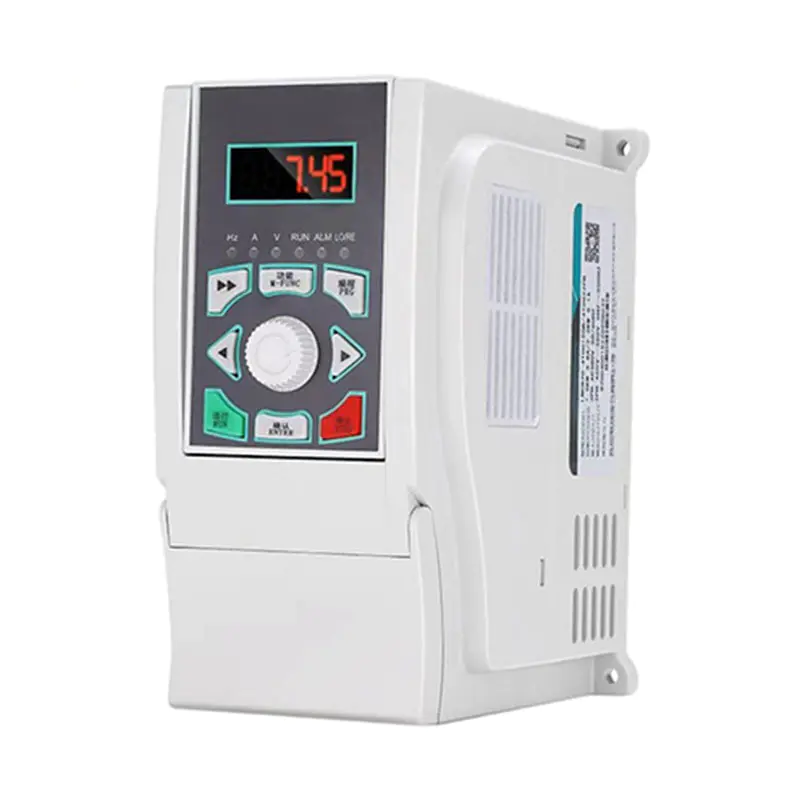
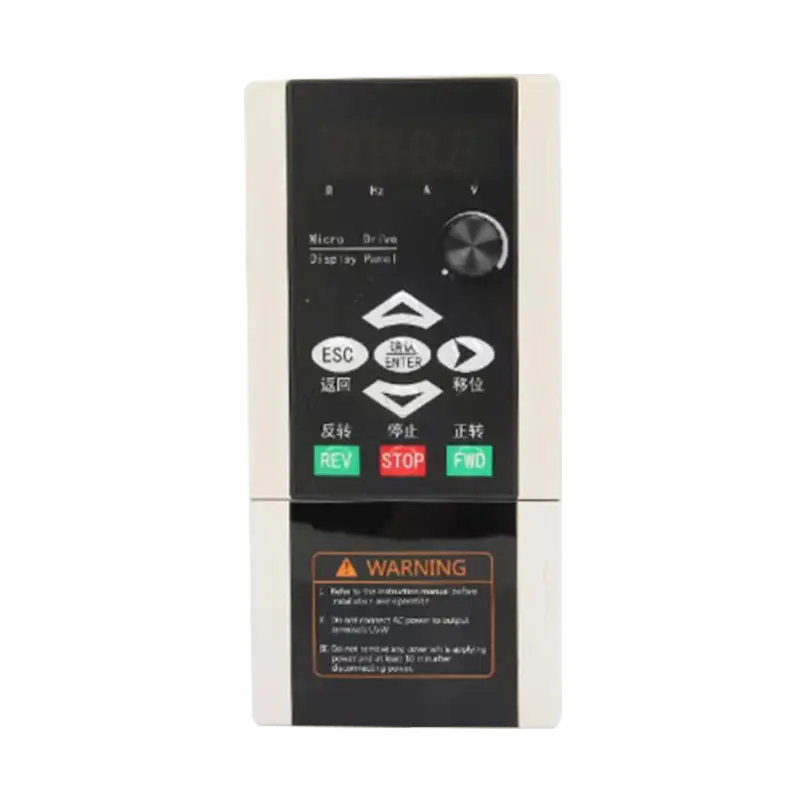
- Remote keypad needs or door-mount operator panel
- Communications (Modbus, etc.) if the drive must report status to PLC/SCADA
4) Don't ignore "supply chain details" (they affect commissioning)
For OEM and distribution, consistency matters:
- Nameplate format and branding/labels for traceability
- Enclosure color for product-line standardization
- Outer packaging designed for export shipping and warehouse scanning
These details reduce receiving errors and speed up deployment across multiple sites.
Getting a frequency converter (VFD) right is usually less about chasing the longest feature list and more about confirming a few make‑or‑break inputs: what the motor is driving (pump/fan vs. conveyor/mixer), how much inertia the load carries, how often the system starts and stops, what the incoming power looks like (voltage, frequency, tolerance), how the drive will shed heat in the cabinet, and which control signals or communications the site requires. When those points are agreed up front, startups go faster, nuisance faults drop, and day‑to‑day operation stays steady.
For OEM supply and multi-site projects, repeatability is just as valuable as performance. Consistent nameplates and wire/terminal labeling, a stable parameter baseline, and export-ready packaging make receiving easier, reduce mix-ups in the warehouse, and keep every installation looking and behaving the same from job to job.
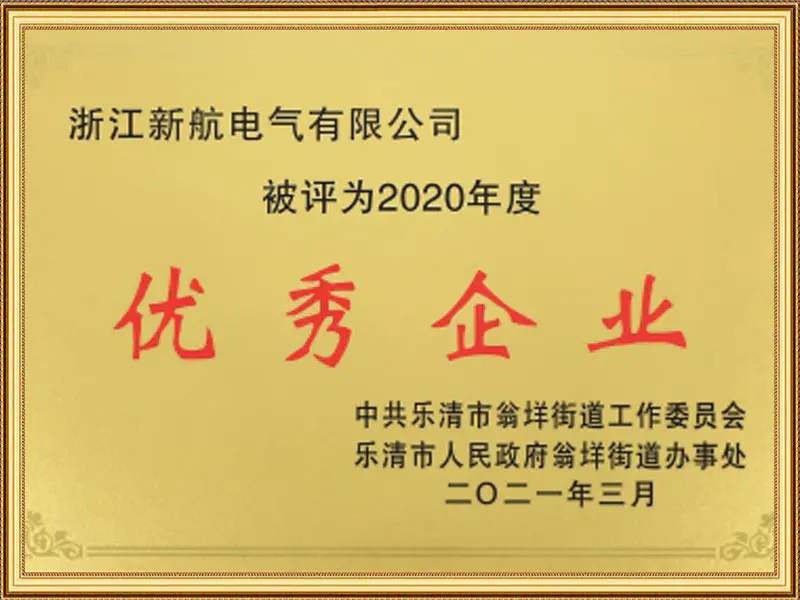
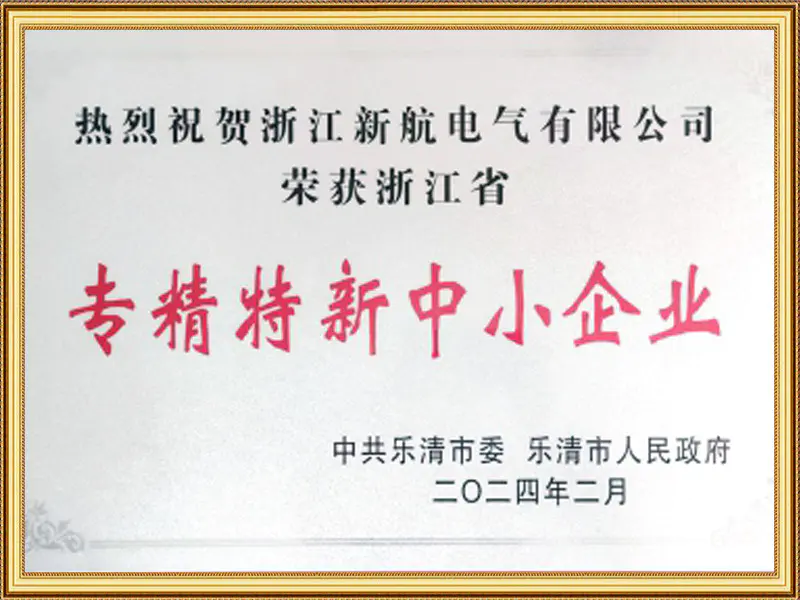
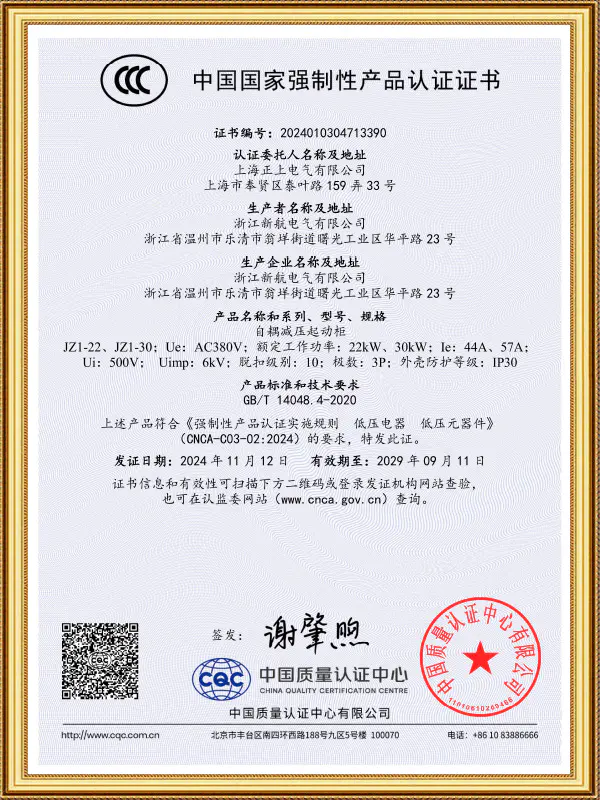
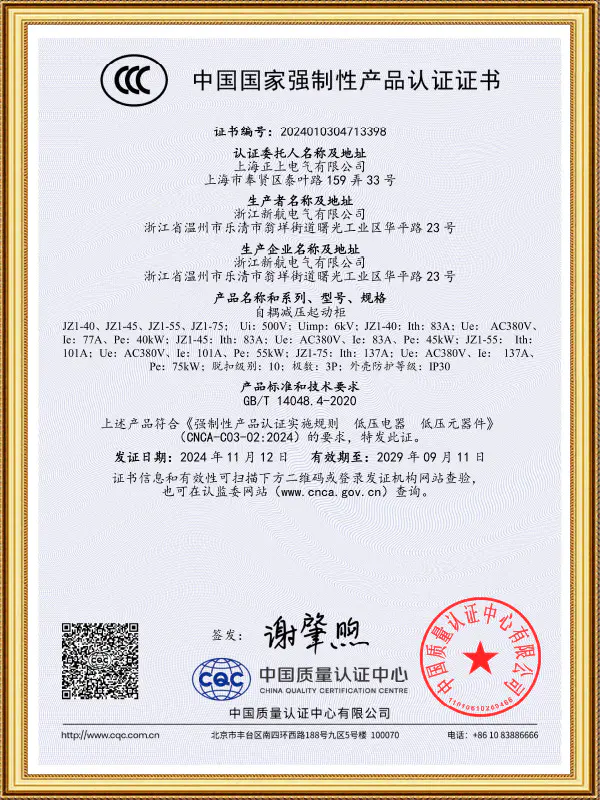
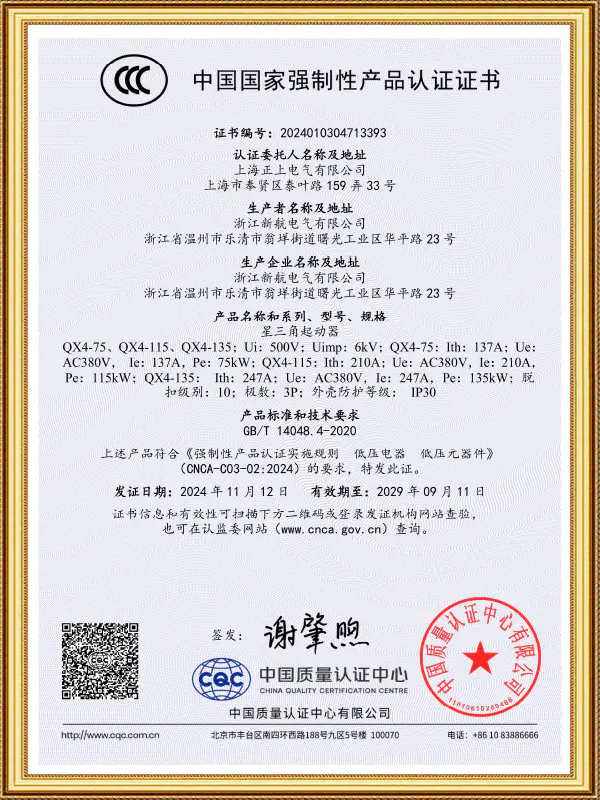
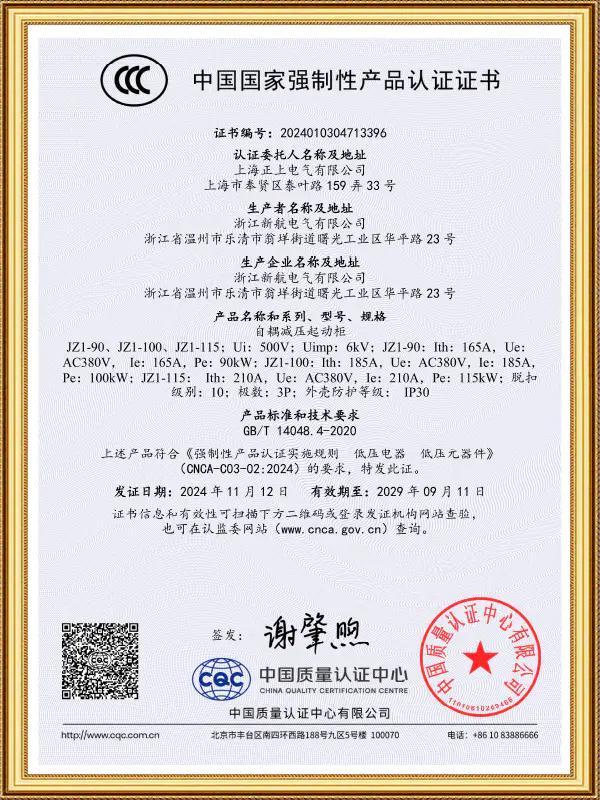
As a Frequency Converter Supplier, Zhejiang Xinhang Electric Co., Ltd. combines practical VFD application support with disciplined production and packaging standards—so you can standardize specifications, deliver under your own branding, and scale repeat orders with fewer surprises across customers, regions, and project phases.



 English
 中文简体
中文简体 عربى
عربى




 浙公网安备33038202003754号