Abstract
Frequency converters (also known as Variable Frequency Drives or VFDs) are among the core components in the fields of modern industrial automation and energy management. They are widely utilized for motor speed control, energy conservation, consumption reduction, and production process control. Based on global market research data and frontline industry experience, this article systematically reviews the current status and development trends of the frequency converter market. It provides an in-depth analysis of key selection criteria, offers detailed price range references, and presents comprehensive purchasing recommendations—covering the entire process from requirements analysis and supplier evaluation to installation and maintenance. The article aims to provide procurement decision-makers, engineers, and end-users with a scientific and systematic reference framework, helping enterprises achieve optimal cost control while ensuring production efficiency.
Keywords: Frequency Converter | Variable Frequency Drive | VFD | Motor Control | Industrial Automation | Energy Conservation | Selection Guide | Price Analysis
I. Global Frequency Converter Market Status and Development Trends
1.1 Market Size and Growth Forecasts
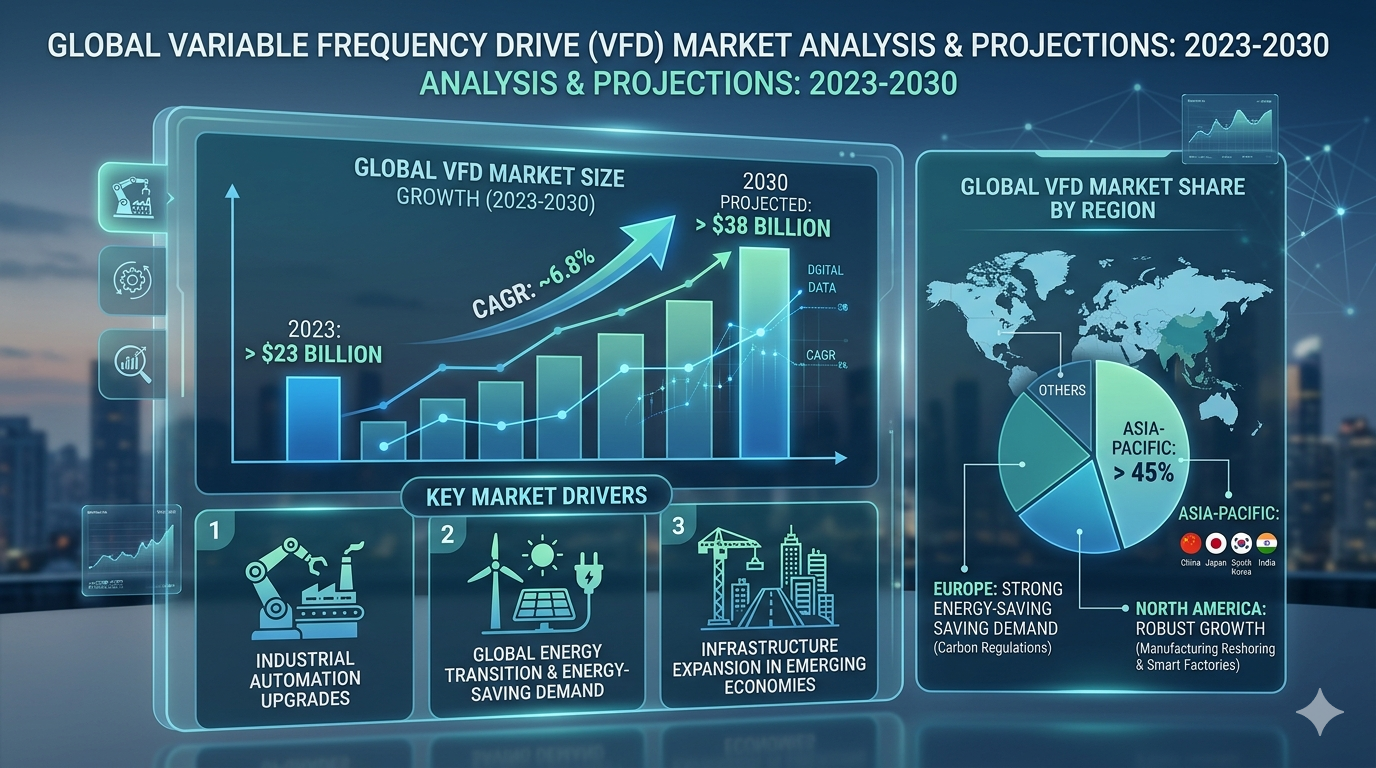
The global frequency converter market has maintained a steady growth trajectory in recent years. According to market research data from several authoritative institutions, the global frequency converter market size surpassed US$23 billion in 2023. It is projected to continue expanding at a Compound Annual Growth Rate (CAGR) of approximately 6.8% through 2030, at which point the total market value is expected to exceed US$38 billion. The core drivers behind this growth stem from three key areas: the continuous advancement of industrial automation upgrades, the demand for energy-saving equipment driven by the global energy transition, and the rapid expansion of infrastructure development in emerging economies.
In terms of geographical distribution, the Asia-Pacific region currently constitutes the largest consumer market for frequency converters; led by China, Japan, South Korea, and India, the region collectively accounts for over 45% of the global market share. Driven by strict carbon emission regulations, the European market continues to demonstrate robust demand for energy-efficient frequency converters; meanwhile, the North American market is exhibiting strong growth momentum, benefiting from the reshoring of manufacturing operations and the surging trend of smart factory construction.
1.2 Distribution Across Major Application Industries
The downstream application sectors for frequency converters are extremely diverse, encompassing virtually every industrial and commercial scenario where motor-driven systems are required. In terms of industry share, HVAC (Heating, Ventilation, and Air Conditioning) systems rank first, accounting for approximately 25% of the overall market; this is followed by pump and compressor applications (approximately 20%); and industrial manufacturing automation (approximately 18%) ranks third. Additionally, sectors such as hoisting equipment, wind power generation, rail transit, water treatment, and metallurgy and mining constitute other significant application fields.
Table 1: Major Application Industries and Typical Scenarios for Variable Frequency Drives (VFDs)
|
Application Industry
|
Typical Application Scenarios
|
Market Share (Approx.)
|
|
HVAC
|
Central air conditioning, fan coil units, air supply/exhaust systems
|
~25%
|
|
Pumps & Compressors
|
Water pumps, oil pumps, air compressors
|
~20%
|
|
Industrial Manufacturing
|
Machine tools, injection molding machines, packaging lines, textile machinery
|
~18%
|
|
Hoisting & Handling
|
Bridge cranes, elevators, conveyor belts
|
~12%
|
|
New Energy & Power
|
Wind power generation, PV inverters, energy storage systems
|
~10%
|
|
Water Treatment & Municipal
|
Sewage treatment pumping stations, water supply boosting systems
|
~8%
|
|
Other Industries
|
Metallurgy, mining, rail transit, food processing
|
~7%
|
1.3 Core Drivers of Industry Development
The structural factors driving the long-term growth of the variable frequency drive (VFD) market are primarily manifested across the following four dimensions:
- Pressure from Energy Regulations: Policies and regulations—such as the EU's IE3/IE4 motor efficiency standards and China's "Motor Energy Efficiency Improvement Plan"—are mandating and accelerating the widespread adoption of high-efficiency drive solutions.
- Industry 4.0 and Intelligent Manufacturing: The advancement of factory automation and the construction of flexible production lines place higher demands on precision motor control, making VFDs an indispensable core component.
- Rise of the New Energy Industry: Sectors within the new energy sphere—including wind power, photovoltaics, energy storage, and electric vehicle (EV) charging stations—are experiencing a rapid expansion in demand for variable frequency and inverter equipment.
- Modernization and Retrofitting of Aging Equipment: A vast installed base of industrial equipment faces requirements for energy-saving retrofits, thereby providing the VFD market with a continuous and stable source of replacement demand.
II. Types and Technical Principles of Variable Frequency Drives
Understanding the classification system and fundamental operating principles of variable frequency drives is the essential prerequisite and foundation for the scientific selection of appropriate equipment. From the perspective of technical architecture, variable frequency drives (VFDs) can be broadly classified into the following main types:
2.1 Classification by Technical Principle
(I) AC-DC-AC Voltage Source Inverter (VSI-VFD)
This is currently the most widely applied type of VFD in the industrial sector. Its operating principle involves the following steps: First, the incoming utility-frequency AC power is converted into DC power via a rectifier bridge (AC → DC). After being smoothed by filtering capacitors, this DC power is then converted back into AC power—with both adjustable frequency and voltage—through an IGBT inverter bridge (DC → AC), ultimately driving the motor. VSI-VFDs offer advantages such as a wide speed control range, high control precision, and rapid dynamic response, making them suitable for the vast majority of industrial applications.
(II) Rotary Frequency Converter
A rotary frequency converter consists of an AC motor coupled coaxially with a generator, achieving frequency conversion through mechanical means. Its output waveform quality is exceptionally high (closely approximating a pure sine wave), making it suitable for applications with stringent power quality requirements—such as in the aviation, defense, and precision instrumentation testing sectors. However, due to their bulky size and high maintenance costs, rotary converters are gradually being supplanted by solid-state frequency converters.
(III) Matrix Converter
The matrix converter eliminates the intermediate DC link found in traditional VFD architectures; instead, it employs a bidirectional switching matrix to directly convert the input AC power into an AC output of the desired frequency. It offers advantages such as a high power factor, compact size, and bidirectional energy flow capabilities, representing a key area of research and development in cutting-edge VFD technology today.
2.2 Classification by Control Method
At the control strategy level, variable frequency drives (VFDs) are primarily categorized into the following three types, listed in order of increasing control precision:
|
Control Method
|
Technical Characteristics
|
Applicable Scenarios
|
|
V/F Control (Open-loop)
|
Simple structure, low cost, moderate speed control precision (±2–3%)
|
Applications where high precision is not required, such as fans and pumps
|
|
Sensorless Vector Control
|
No encoder required, higher precision (±0.5–1%), superior dynamic response | General industrial drives; the preferred choice for cost-effectiveness
Closed-loop Vector Control (FOC)
|
General industrial drives; the preferred choice for cost-effectiveness
|
|
Closed-loop Vector Control (FOC)
|
Requires encoder feedback, extremely high speed control precision (±0.01%), extremely rapid dynamic response
|
CNC machine tools, high-precision winding systems, servo-driven applications
|
III. Detailed Analysis of Core Factors in VFD Selection
Selecting a VFD is a systematic undertaking that requires a comprehensive assessment across multiple dimensions, including load characteristics, electrical parameters, environmental conditions, communication interfaces, and safety certifications. A deviation in any single factor may lead to equipment damage, reduced efficiency, or safety incidents. The following section provides a systematic exposition based on six core dimensions.
3.1 Load Type Matching: Variable Torque vs. Constant Torque
Load characteristics serve as the primary basis for selection, directly determining the required power rating and overload capacity of the VFD:
- Variable Torque Loads: Represented by fans and centrifugal pumps, where torque is directly proportional to the square of the rotational speed; consequently, the torque required at low speeds is minimal. For such loads, a standard-duty VFD is suitable; high overload capacity is not required, and selection simply involves matching the VFD's rated power to the motor's power rating. These applications offer significant potential for energy savings (typically achieving electricity savings of 20%–50%).
- Constant Torque Loads: Represented by conveyor belts, mixers, extruders, and cranes, where rated torque must be delivered across the entire speed range; heavy loads at low speeds are the norm. These applications require a heavy-duty VFD, demanding an overload capacity of 150% of the rated current sustained for 60 seconds or longer. When selecting a VFD for such scenarios, it is typically necessary to select a unit with a power rating one size higher than the motor's rating. • Constant Power Load: Typified by machine tool spindles and winding machines, this type of load is characterized by decreasing torque at high speeds while power remains constant. Such loads demand high precision in speed control; therefore, vector-control-type variable frequency drives (VFDs) are typically the preferred choice.
3.2 Verification of Electrical Parameters: Voltage, Current, and Power
The precise matching of electrical parameters serves as the fundamental guarantee for the safe operation of a VFD. During the selection process, the following parameters must be verified individually:
Rated Voltage: The input voltage of the VFD must be compatible with the facility's power supply grid. Common specifications include: single-phase 220V (for low-power applications), three-phase 380V (the industrial standard), three-phase 480V (North American standard), and three-phase 660V/1140V (for mining operations and offshore platforms). Particular attention must be paid to differences in grid frequencies across various countries and regions (50Hz vs. 60Hz).
Rated Current: The rated output current of the VFD must be greater than or equal to the motor's rated current. Furthermore, factors such as cable voltage drop and motor derating must be taken into account, typically by allowing for a safety margin of 10% to 20%. For applications involving frequent starts and stops or impact loads, the peak current requirements must also be carefully calculated.
Power Matching Principle: The rated power of the VFD should generally be equal to or slightly greater than the rated power of the motor. For heavy-duty, constant-torque applications, it is recommended to select a VFD with a power rating one size higher than that of the motor (e.g., for a 22kW motor, select a 30kW VFD).
3.3 Environmental Condition Assessment: Protection Class and Heat Dissipation
Environmental conditions in industrial settings vary widely; therefore, the selection of the variable frequency drive's (VFD) protection class (IP rating) and heat dissipation method is of critical importance:
|
IP Rating
|
Protection Capability
|
Applicable Scenarios
|
|
IP20
|
Protection against finger contact; no dust or water protection
|
Installation inside electrical cabinets (clean indoor environments)
|
|
IP54
|
Protection against dust ingress; splash-proof
|
General industrial plants (low-dust environments)
|
|
IP55
|
Protection against dust ingress; jet-proof
|
Applications requiring wash-down procedures (e.g., food processing, light chemical industries)
|
|
IP65
|
Completely dust-tight; protected against water jets
|
Outdoor environments, humid areas, or locations with direct water flow
|
|
IP66/67
|
Completely dust-tight; protected against strong water jets/immersion
|
Harsh industrial environments, mining sites, marine vessels, etc.
|
In addition to the protection class, attention must also be paid to the operating ambient temperature (the standard operating temperature range is typically -10°C to +50°C; operation outside this range requires derating or the installation of auxiliary cooling devices), altitude (for altitudes exceeding 1000 meters, a derating factor of 1% per 100 meters of elevation increase must be applied), and ambient humidity (relative humidity must not exceed 95%, with no condensation).
3.4 Communication Interfaces and System Integration Capabilities
In the context of Industry 4.0 and smart manufacturing, the communication capabilities of a VFD have become a crucial dimension to consider during the selection process. Mainstream industrial communication protocols include:
- Fieldbus Protocols: Modbus RTU/TCP (most widely supported), PROFIBUS-DP (standard for Siemens systems), DeviceNet, CANopen;
- Industrial Ethernet Protocols: PROFINET, EtherNet/IP, EtherCAT (preferred for high-precision motion control), CC-Link IE;
- IoT Protocols: MQTT, OPC-UA (supports factory-level data acquisition and cloud integration);
- Analog/Digital Interfaces: 4-20mA and 0-10V analog inputs, multiple digital I/O channels (to meet the requirements for PLC-coordinated control).
During the selection process, it is essential to clearly define the communication architecture of the target system and verify that the communication protocols supported by the selected VFD are compatible with existing PLC, SCADA, or DCS systems, thereby avoiding integration difficulties later on.
3.5 Safety Certification and Compliance Requirements
Safety certification requirements for variable frequency drives (VFDs) vary significantly across different target markets; therefore, it is imperative to verify these requirements in advance during the selection process:
- European Market: CE certification (mandatory requirement). Compliance with the Low Voltage Directive (LVD 2014/35/EU) and the Electromagnetic Compatibility Directive (EMC 2014/30/EU) is required; for specialized applications, compliance with the Machinery Directive and ATEX explosion-proof certification may also be necessary.
- North American Market: UL certification (United States) and CSA certification (Canada). For sensitive industries, dual cULus certification is often preferred.
- Chinese Market: CCC certification (3C certification) is a mandatory product certification. Furthermore, specific energy efficiency ratings require compliance with the GB 12668 series of national standards.
- Other Certifications: RoHS (EU Restriction of Hazardous Substances), REACH (EU chemicals regulation), Australian RCM, Japanese PSE, etc.
3.6 Additional Functional Requirements
Depending on the specific application scenario, it is also necessary to consider specialized functional configurations for the VFD. These primarily include: built-in PLC functionality (which can reduce the cost of external controllers); built-in EMC filters (to minimize electromagnetic interference and simplify system integration); braking units and braking resistors (used in applications requiring rapid braking or involving potential-energy loads); STO (Safe Torque Off) safety functionality (compliant with the IEC 61800-5-2 safety standard, suitable for scenarios with functional safety requirements); and multi-motor drive capability (enabling a single VFD to drive multiple motors connected in parallel).
IV. Variable Frequency Drive Market Price Analysis
VFD pricing is influenced by a multitude of factors—including power rating, technological sophistication, brand positioning, functional configuration, and purchase volume—resulting in significant price disparities. The following analysis systematically examines VFD pricing from two perspectives: global market pricing tiers and price ranges for typical power segments, thereby providing a reference basis for procurement decision-making.
4.1 Global Market Brand Positioning and Pricing Tiers
Based on the competitive landscape of the international market, variable frequency drive (VFD) suppliers can be broadly categorized into three pricing tiers:
|
Tier
|
Representative Brands
|
Relative Price (for equivalent power ratings)
|
Characteristics
|
|
High-End International Brands
|
ABB, Siemens, Danfoss, Schneider, Rockwell
|
100% (Benchmark Price)
|
Comprehensive performance, robust ecosystem, reliable after-sales support, highest price point
|
|
Mid-to-High-End Brands
|
Delta, Inovance, Inovance (HuiChuan), Yaskawa, Mitsubishi
|
40%–70%
|
Outstanding cost-performance ratio, mature technology, widely utilized in the Chinese and Asia-Pacific markets
|
|
Economy Brands
|
Numerous domestic small-to-medium-sized manufacturers (including NENA, etc.)
|
20%–45%
|
Fulfills basic functional requirements, distinct price advantage, suitable for standardized bulk purchasing
|
|
Tier
|
Representative Brands
|
Relative Price (for equivalent power ratings)
|
Characteristics
|
4.2 Reference Price Ranges for Typical Power Segments (Ex-factory prices; 3-phase, 380V)
The following price ranges are compiled based on market research data and are provided for reference purposes only; actual quotations are subject to fluctuations in exchange rates, product configurations, order quantities, and market conditions.
|
Power Rating
|
Domestic Economy Models (USD)
|
Mid-to-High-End Brands (USD)
|
International Premium Brands (USD)
|
Remarks
|
|
0.75kW
|
$30–$80
|
$80–$200
|
$200–$450
|
Available in both single-phase and three-phase versions
|
|
2.2kW
|
$60–$130
|
$150–$350
|
$380–$700
|
General-purpose market mainstay
|
|
7.5kW
|
$120–$280
|
$350–$750
|
$900–$1,800
|
Common range for industrial applications
|
|
22kW
|
$350–$700
|
$800–$1,800
|
$2,500–$5,000
|
Mainstream medium-power range
|
|
55kW
|
$800–$1,500
|
$2,000–$4,500
|
$6,000–$12,000
|
Common in heavy industry
|
|
110kW
|
$1,500–$3,00
|
$4,000–$9,000
|
$12,000–$25,00
|
Drives for large-scale equipment
|
|
315kW+
|
$5,000–$12,000
|
$15,000–$35,000
|
$40,000–$100,000+
|
Specialized/custom applications
|
4.3 Hidden Factors Affecting Total Procurement Cost
Procurement decisions regarding variable frequency drives (VFDs) should not be based solely on the purchase price of the equipment itself; rather, they require a comprehensive evaluation from the perspective of Total Cost of Ownership (TCO). The following hidden cost items often overlooked, yet potentially decisive in their impact on ultimate economic benefits, are the following factors:
- Cost of Ancillary Accessories: Accessories such as input reactors, output reactors, EMC filters, braking units and resistors, bypass cabinets, and operator panels can collectively amount to 20% to 40% of the main unit's price.
- Installation and Commissioning Costs: These include fees for professional electrical engineers performing commissioning, as well as labor costs for cable laying and terminal connections; particularly in large-scale projects, this expense should not be underestimated.
- Energy Savings Calculations: The core value of a variable frequency drive (VFD) lies in energy conservation. It is essential to perform a precise Return on Investment (ROI) calculation based on annual operating hours, electricity rates, and current energy consumption levels; under optimal application conditions, the payback period typically ranges from 6 to 24 months.
- Maintenance and Spare Parts Costs: Evaluate the VFD manufacturer's local service network coverage, spare parts supply capabilities, and response times; leading international brands typically hold a distinct advantage in this regard.
- Risk of Downtime Losses: For critical production processes, the financial losses resulting from downtime caused by a VFD failure can far exceed the value of the equipment itself. In such scenarios, the value of brand reliability and redundant design outweighs any price differentials.
V. Professional Purchasing Advice and Procurement Process
Drawing upon years of accumulated industry experience, this article presents the following systematic framework for procurement decision-making, designed to assist buyers in making scientific and prudent purchasing choices amidst a complex and multifaceted market environment.
5.1 Step One: Comprehensive Clarification of Requirements
Prior to procurement, it is imperative to compile a complete Technical Specification document. This document should encompass: Motor Parameters (power rating, rated voltage/current/speed, insulation class); Load Characteristics (type, torque curve, starting characteristics); Operating Environment (temperature, humidity, altitude, required IP protection rating); Control Requirements (speed control range, accuracy, response speed, communication protocols); Power Supply Conditions (grid voltage, frequency, short-circuit capacity); and Safety Certifications (certifications required for the target sales market). Ambiguities or omissions in technical requirements are the primary causes of incorrect product selection and subsequent disputes.
5.2 Step Two: Scientific Brand and Supplier Evaluation
Once technical specifications have been established, it is recommended to employ a weighted scoring method to conduct a multi-dimensional evaluation of candidate suppliers. The suggested evaluation dimensions include:
- Technical Compliance (Weight: 30%): Whether product parameters fully meet the requirements outlined in the technical specifications;
- Product Quality and Reliability (Weight: 25%): MTBF (Mean Time Between Failures) data, quality system certifications (e.g., ISO 9001), and industry application case studies;
- After-sales Service and Support (Weight: 20%): Local service network coverage, spare parts supply capabilities, and technical support response times;
- Price and Cost-Effectiveness (Weight: 15%): Comprehensive Total Cost of Ownership (TCO) rather than the standalone purchase price;
- Supply Capability (Weight: 10%): Reliability of delivery lead times, production capacity reserves, and supply chain stability.
5.3 Step Three: Prototype Testing and Verification
For new suppliers or critical application scenarios, it is strongly recommended to conduct prototype testing prior to placing a bulk order. The scope of testing should include: functional verification under actual load conditions (e.g., speed regulation performance, control precision); EMC compatibility testing (to rule out risks associated with electromagnetic interference); operational stability testing in high- and low-temperature environments (where conditions permit); and communication protocol integration testing (to verify compatibility with existing control systems). Prototype testing serves not only as a verification of product quality but also as a comprehensive assessment of the supplier's technical support capabilities.
5.4 Step Four: Contract Clauses and Warranty Agreements
The procurement contract should explicitly stipulate the following key clauses to safeguard the buyer's interests:
- Warranty Period: It is recommended to require a product warranty period of no less than 18 to 24 months, and to clearly define the terms for free repairs or replacements during this period;
- Technical Parameter Commitments: The technical specifications document, mutually confirmed by both parties, should be appended to the contract to serve as the basis for final acceptance;
- Delivery Schedule and Penalty Clauses: Clearly define the specific delivery milestones as well as the penalty clauses applicable in the event of delayed delivery;
- Spare Parts Supply Guarantee: Require the supplier to commit to a specific duration for the supply of critical spare parts (e.g., IGBT modules, control boards)—a minimum of 10 years is recommended;
- Installation and Commissioning Support: Clearly define the response time for technical support during commissioning (for critical projects, a site response within 24 hours is recommended).
5.5 Step 5: Installation, Commissioning, and Operations & Maintenance Management
Upon receipt of the variable frequency drive (VFD), installation and commissioning must be carried out in strict accordance with the following steps to ensure the equipment's long-term, stable operation:
- Pre-installation Inspection: Verify that the nameplate parameters match the procurement specifications; inspect the exterior for any signs of transit damage; and confirm the condition of wiring terminals and cooling fans.
- Installation Environment Verification: Ensure that the ventilation and heat dissipation conditions within the installation cabinet meet requirements; the mounting orientation must be vertical (except for special models); and ensure that minimum installation clearances are maintained.
- Electrical Wiring Standards: The cross-sectional area of input/output cables must meet current-carrying capacity requirements; the ground wire must be reliably connected (utilizing a dedicated ground connection rather than sharing a common ground with the motor casing).
- Parameter Configuration and Commissioning: Configure basic parameters based on the motor's nameplate specifications; perform motor auto-tuning to optimize control performance; and conduct gradual speed-up commissioning while observing the operational status.
- Routine Maintenance: Periodically clean heat sinks and cooling air ducts; inspect the operational status of cooling fans (maintenance recommended every 6–12 months); check the tightness of all wiring terminals; and record operational data to establish a maintenance log.
VI. New Industry Trends and Future Outlook
With the deep integration of new-generation information technologies and advanced manufacturing techniques, the VFD industry is undergoing profound technological innovation and business model transformation. Grasping these new trends holds significant strategic importance for procurement entities in formulating future-oriented technology roadmaps.
IoT and Intelligent Integration
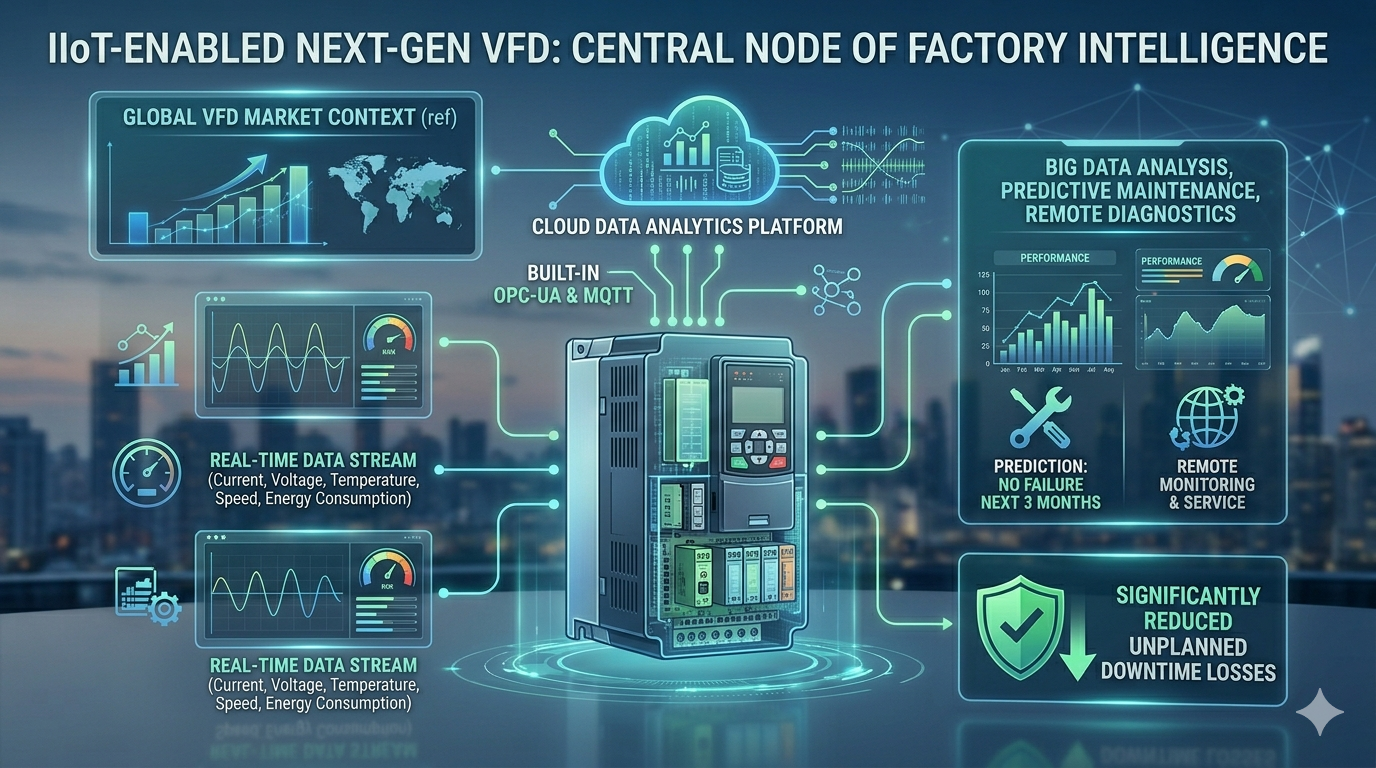
New-generation VFDs are emerging as critical nodal devices within smart factory ecosystems. VFDs equipped with built-in OPC-UA and MQTT protocols can directly upload real-time operational data—including current, voltage, temperature, rotational speed, and energy consumption—to the cloud. This capability supports big data analytics, fault prediction, and remote diagnostics, thereby significantly reducing losses associated with unplanned downtime.
Energy Efficiency Enhancement and Carbon Neutrality Goals
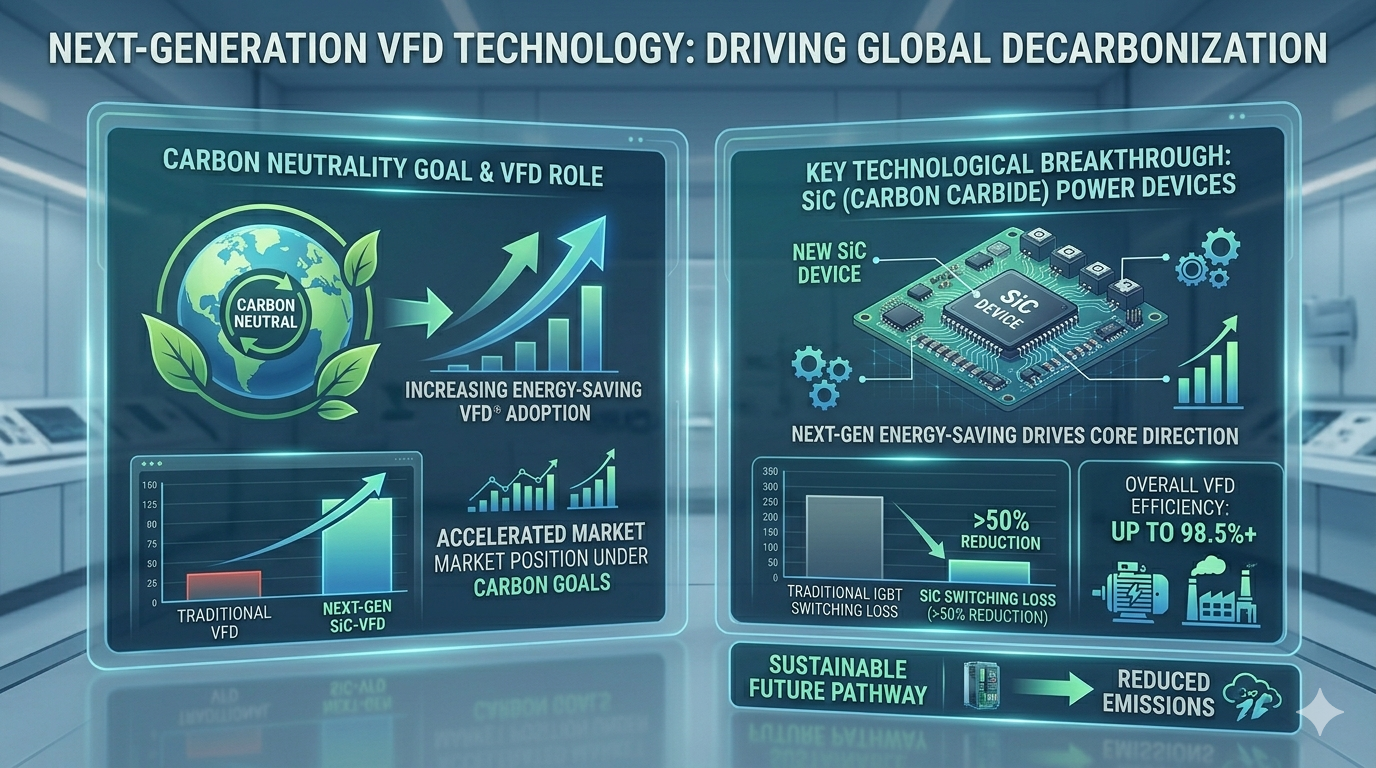
As global carbon neutrality initiatives gain momentum, the market position of high-efficiency VFDs is set to be continuously strengthened. The application of novel SiC (Silicon Carbide) power devices reduces VFD switching losses by over 50%, enabling overall unit efficiency to exceed 98.5%; this represents a core direction for the next generation of energy-saving drive technologies.
Compact and Modular Design
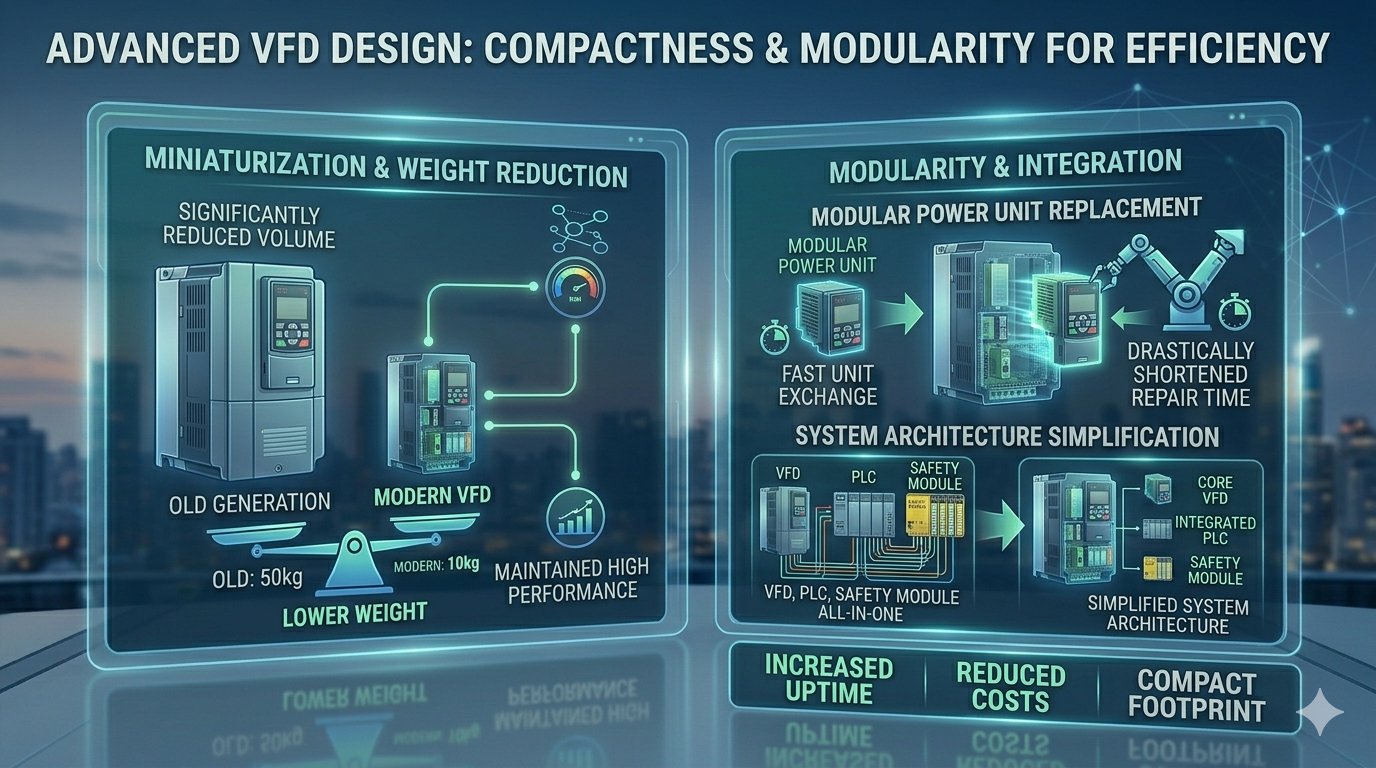
While maintaining high performance standards, modern VFDs continue to shrink in physical size and decrease in weight. Modular design enables rapid replacement of power units, significantly reducing maintenance time; integrated design consolidates the variable frequency drive (VFD), PLC, and safety modules into a single unit, thereby simplifying the system architecture.
Standardization of Functional Safety
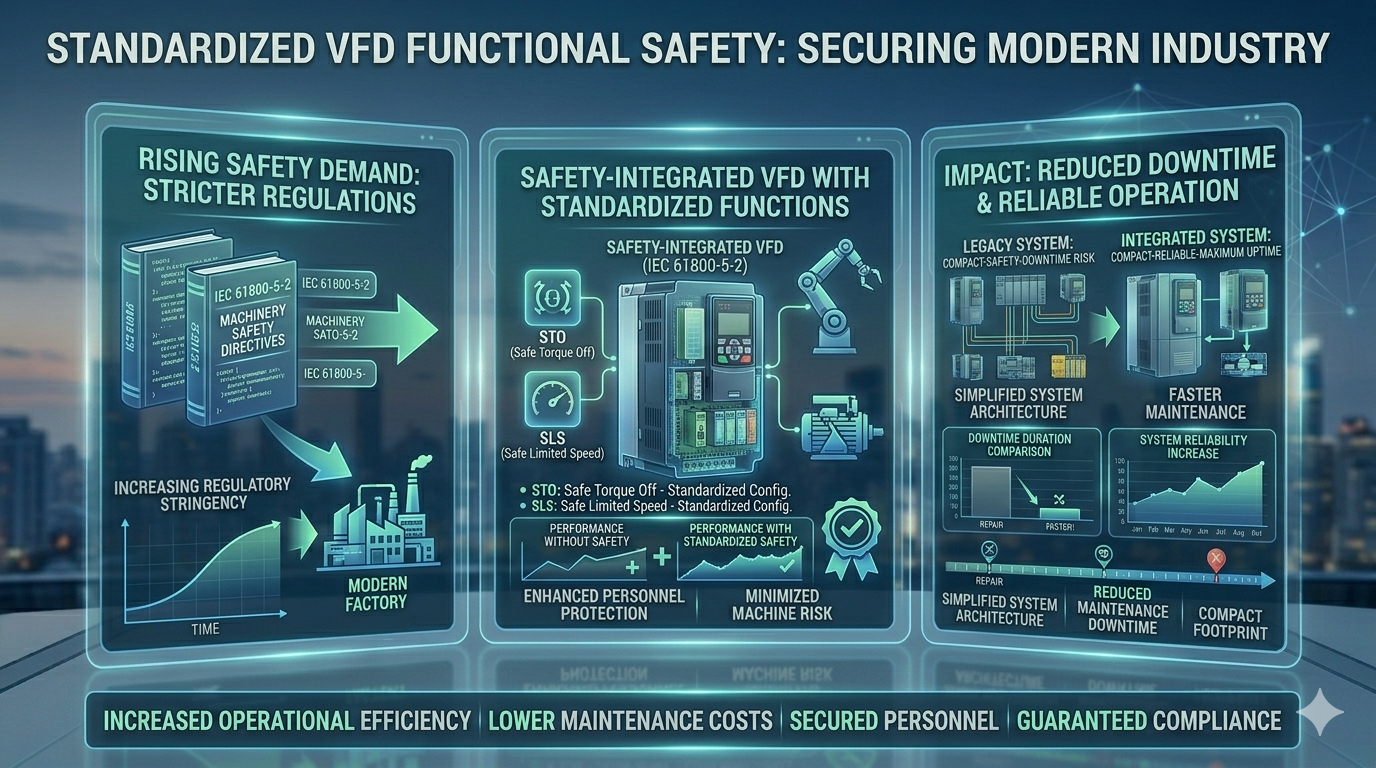
As machinery safety regulations become increasingly stringent, the demand for safety-integrated VFDs compliant with IEC 61800-5-2 is growing rapidly. The standardized configuration of safety functions—such as STO (Safe Torque Off) and SLS (Safe Limited Speed)—is set to become the industry mainstream.
Regenerative Braking Energy Feedback Technology
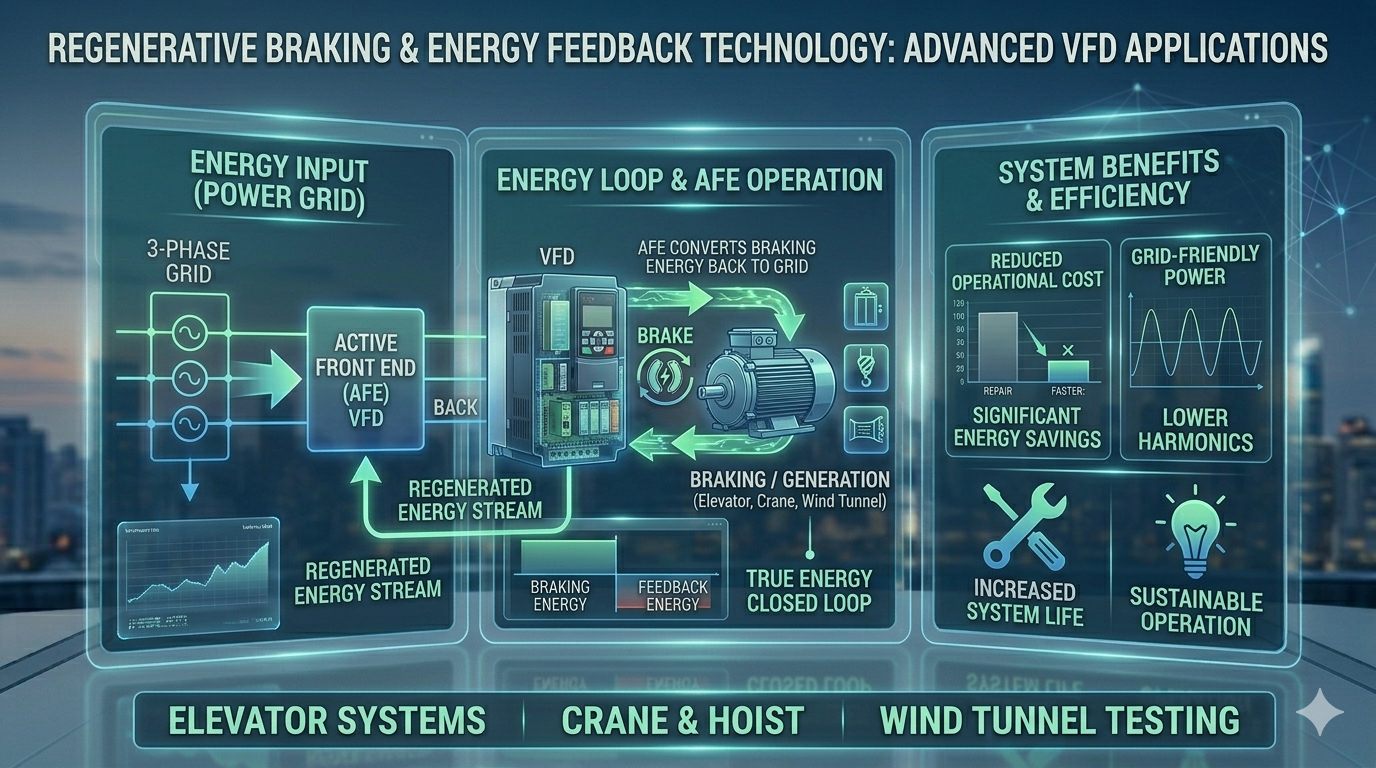
In applications involving significant braking energy—such as elevators, cranes, and wind tunnels—energy-feedback VFDs (specifically Active Front End, or AFE drives) can invert braking energy back into the power grid. This achieves a true closed-loop energy cycle, resulting in substantial energy savings.
VII.Conclusion
As a core component of modern industrial electric drive systems, the variable frequency drive plays an indispensable role in conserving energy, reducing consumption, boosting production efficiency, and ensuring equipment safety. Faced with a vast array of products and a complex market landscape, a scientific selection methodology and a systematic procurement process are the keys to maximizing investment value.
The core procurement principles outlined in this article can be summarized as follows: use load characteristics as the starting point for selection; use Total Cost of Ownership (TCO) over the entire lifecycle as the decision-making benchmark; use technical specifications as the contractual basis; use prototype testing as the quality gate; and rely on professional installation and commissioning to ensure operational reliability.
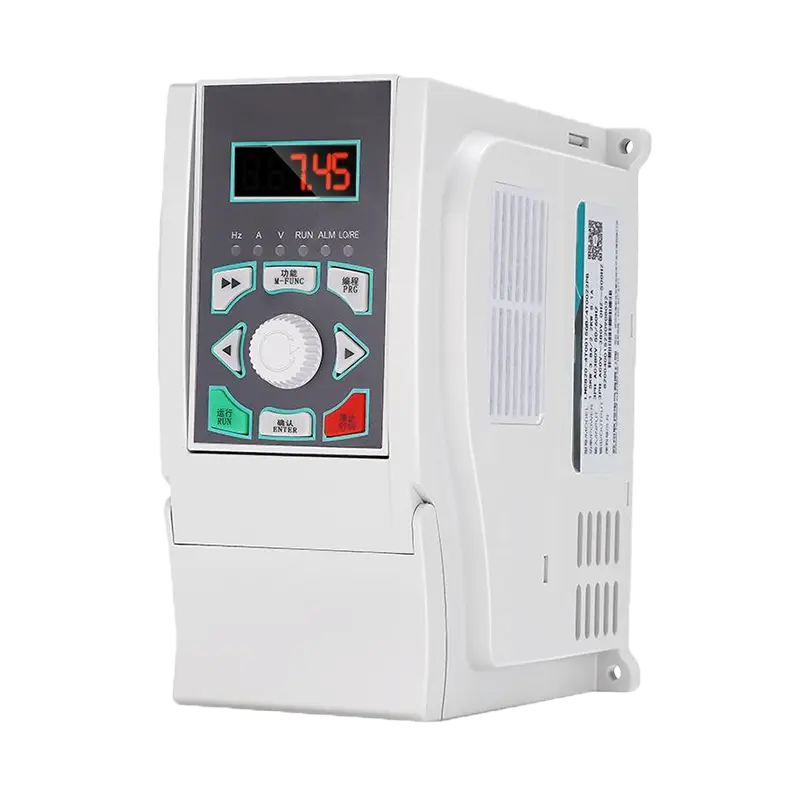
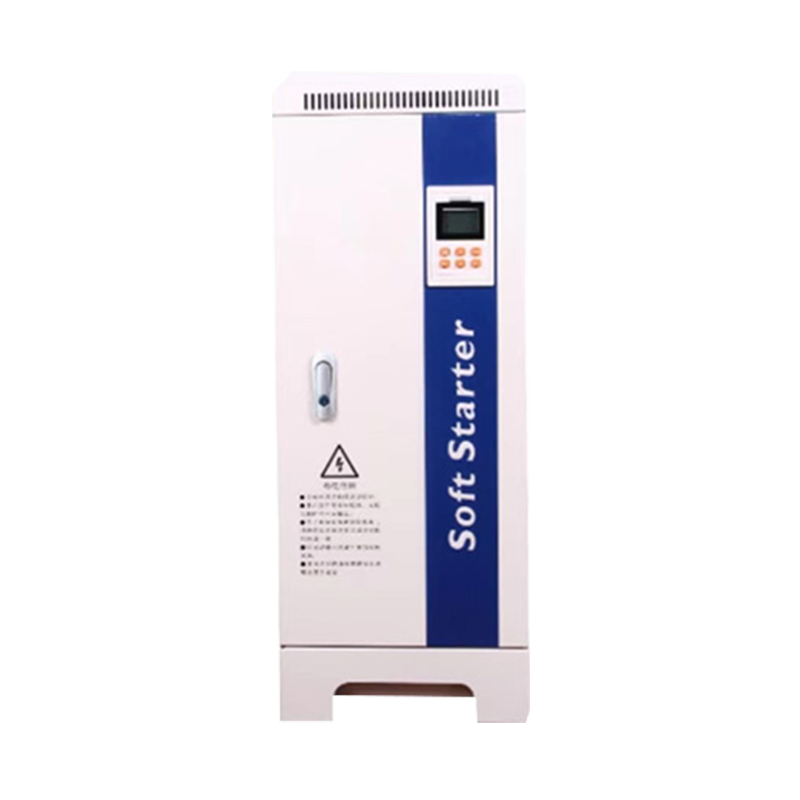
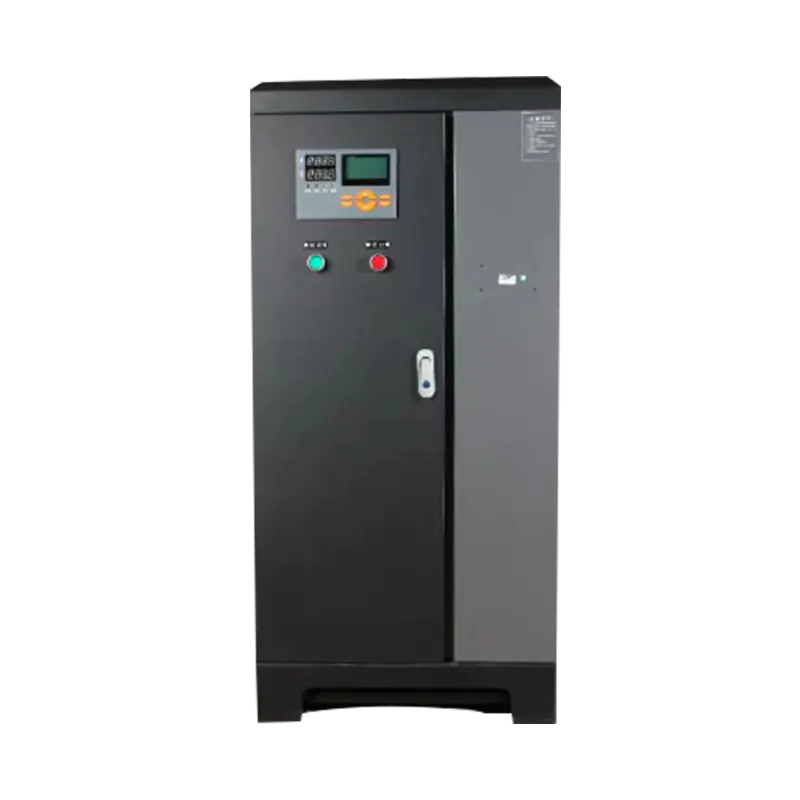
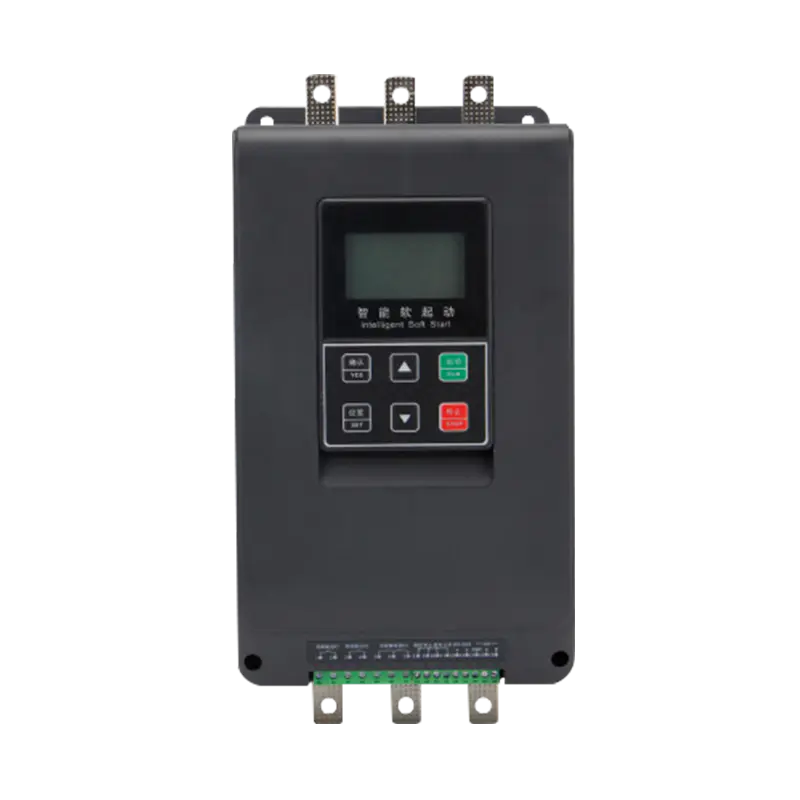
Zhejiang NENA Electric Co., Ltd. was established in 1992 and is located in the Shuguang Industrial Zone, Wengyang Town, Yueqing City—known as the "Electrical Capital of China." The company's primary product portfolio includes high- and low-voltage switchgear assemblies, intelligent soft starter series, variable frequency drives, auto-transformer reduced-voltage starter cabinets, star-delta starter cabinets, as well as QZB transformers and AC contactors. Renowned for their superior performance, consistent quality, and professional after-sales service, the company's products have garnered unanimous acclaim from a broad base of domestic and international clients, establishing a strong market reputation and high recognition within the industry. For detailed technical specifications or to request prototype testing, please feel free to contact our technical sales team.
References
- Made-in-China Insights. (2025). Frequency Converters 101: How to Choose the Right One to Meet Your Needs.
- Canroon Electric. (2024). Choosing the Right Frequency Converter. Industry Insights.
- Visicomm Industries. (2023). 5 Simple Tips for Choosing an Industrial Frequency Converter. Visicomm Blog.
- Flagstaff Business News. (2024). Tips for Choosing a Frequency Converter to Purchase.
- IEC 61800-5-1:2022. Adjustable Speed Electrical Power Drive Systems – Part 5-1: Safety Requirements.
- IEC 61800-5-2:2016. Adjustable Speed Electrical Power Drive Systems – Part 5-2: Safety Requirements – Functional.
- GB/T 12668.1-2002. Adjustable Speed Electrical Power Drive Systems – Part 1: General Requirements for Rating and Performance Testing.
- MarketsandMarkets. (2024). Variable Frequency Drive Market - Global Forecast to 2030.
- Grand View Research. (2024). Variable Frequency Drive Market Size, Share & Trends Analysis Report.
About Zhejiang NENA Electric Co., Ltd.
Zhejiang NENA Electric Co., Ltd. is a high-tech enterprise dedicated to the R&D, manufacturing, and sales of frequency converters, motor controllers, and electrical drive systems. Supported by a robust technical support team, the company consistently upholds customer satisfaction as its primary standard of service, providing NENA clients with professional, prompt, and sincere assistance. We have established a comprehensive sales and service network covering key cities across the country, enabling us to deliver professional solutions and technical support to users nationwide.
Official Website: https://www.xnhang.com/
Email: [email protected] /
[email protected] /
[email protected] /
[email protected]
National Service Hotline: +86 13905872948



 English
 中文简体
中文简体 عربى
عربى




 浙公网安备33038202003754号