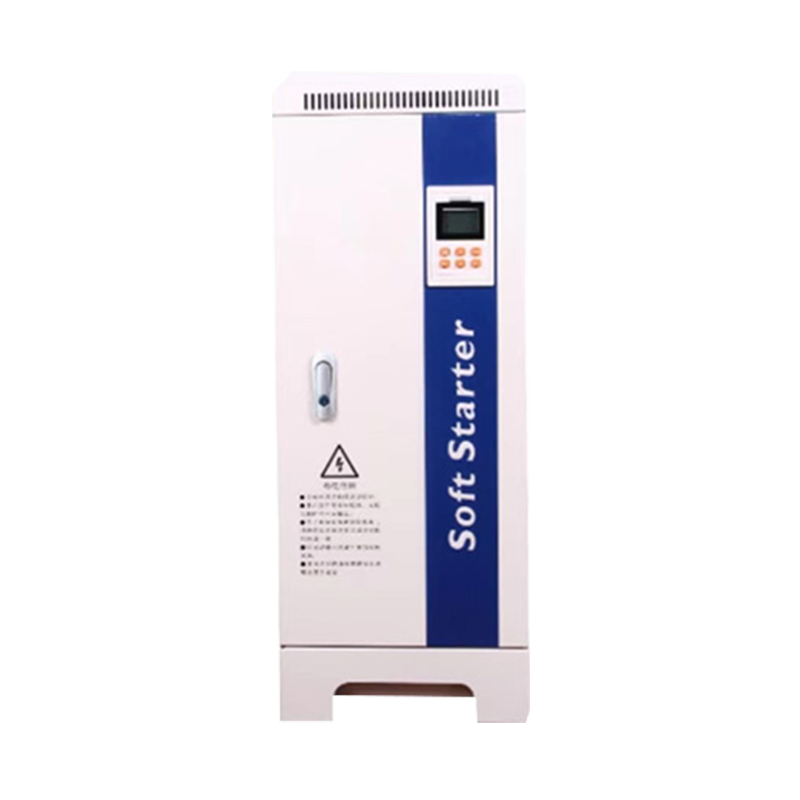
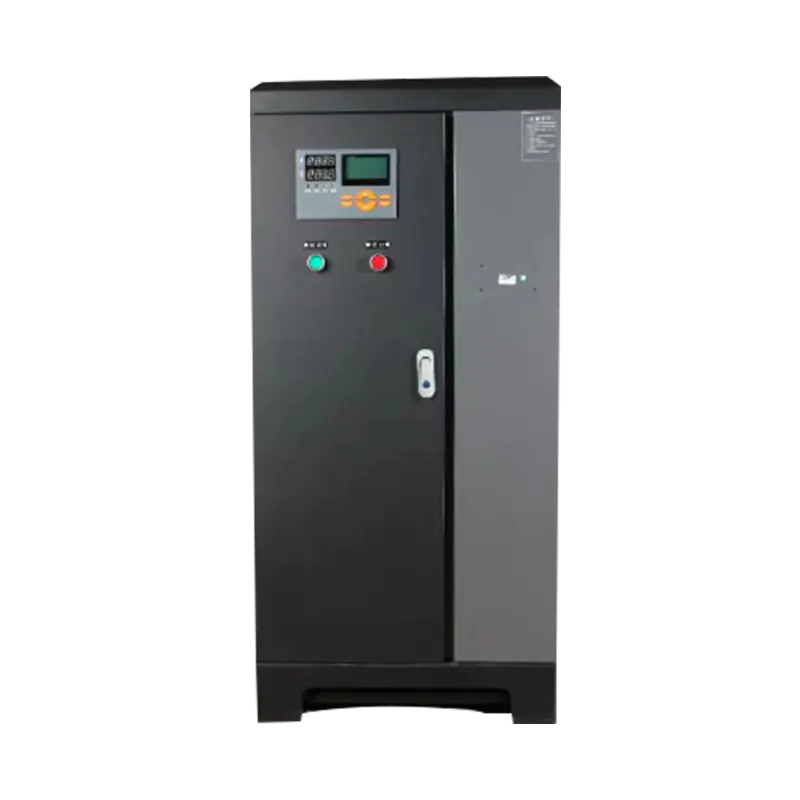
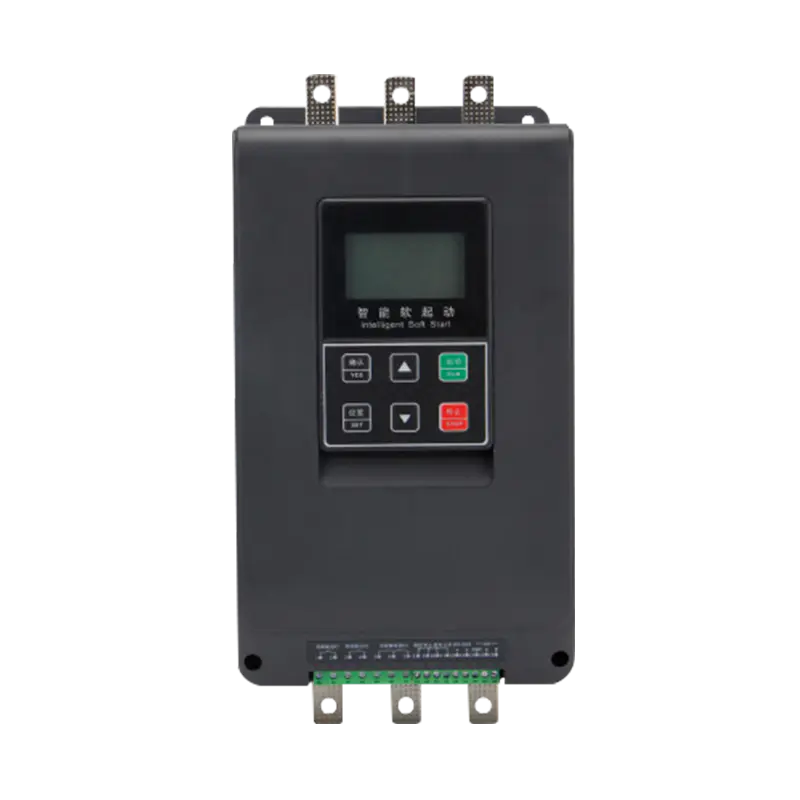
Control rooms in today's factories, water treatment plants, and mining sites often have very little space. Engineers and maintenance teams often look for ways to add motor control equipment without making panels bigger or changing layouts. A Three-phase motor soft starter placed inside a Soft Starter Cabinet is a good choice for these tight spaces. Its small size lets it fit in areas where old-style starters or bigger boxes would not fit well.
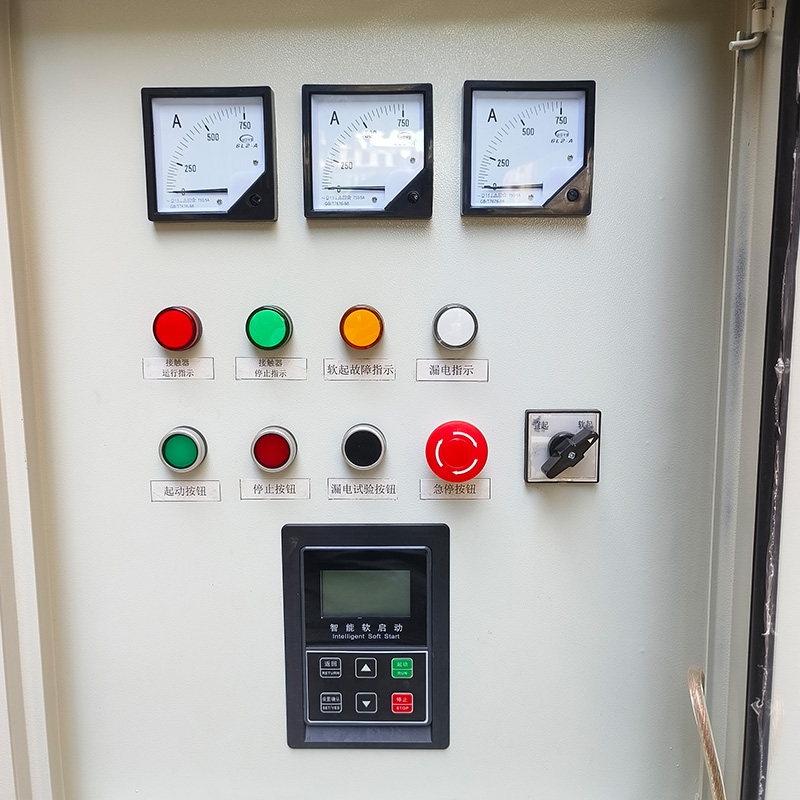
Common Space Problems in Control Rooms
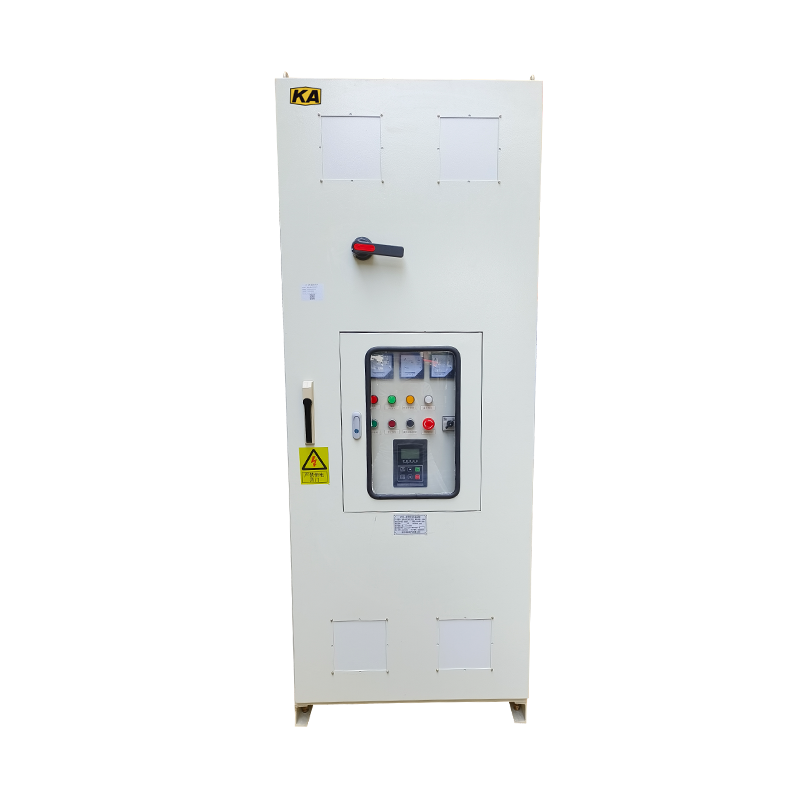
Many industrial control rooms hold motor control centers, PLCs, drives, instruments, and power equipment. Panel space is very important when adding new motors for pumps, fans, conveyors, or compressors. Older setups might use separate soft starters on walls or large starters with contactors that take up much space. A Soft Starter Cabinet helps with this because it puts many soft starters into one box that does not take up much room. The cabinet’s size lets it sit on existing racks, fit between other panels, or use empty vertical space in crowded motor control rooms.
How the Cabinet Design Helps in Small Spaces
The Soft Starter Cabinet uses a simple modular layout. Each Three-phase motor soft starter module is placed on DIN rails or backplates inside the box. This keeps wires short and neat. Vents and small fans inside remove heat without needing extra space around the cabinet. Displays and lights on the door are easy to see, so workers can check current, voltage, and error codes without opening the box fully. In rooms with little front space, cable entries at the side or back help run power and control wires in an orderly way.
Wiring and Setup in Small Areas
Setting up in a small control room needs good planning. The cabinet comes with internal wiring already done, which means less work on site. Technicians connect the main power, motor wires, and control signals through marked terminals at the bottom or sides. Bypass contactors, if used, are inside the same box, so no extra space is needed for outside bypass parts. Adjustable feet or brackets let the cabinet sit on uneven floors or fix to walls safely. When replacing old equipment, the cabinet often takes the place of older star-delta or autotransformer starters, freeing up panel space that those bigger units used.
Working with Existing Systems
Control rooms usually have PLCs or SCADA systems for watching processes. The Soft Starter Cabinet works with common communication ways. Operators can read motor data and send start or stop commands from a central station. Real-time displays on the cabinet door show key information, so local checks are still possible even if the network is not available. Error logs keep a record of faults, helping technicians find repeated problems without manual checks all the time. In rooms with high heat or dust, the sealed box protects the parts while keeping a small size.
Uses That Work Well with Compact Placement
Water and wastewater treatment plants often put control rooms near pump stations with little floor area. A Soft Starter Cabinet that controls several pumps fits well next to existing panels. This keeps all motor controls in one spot, making maintenance easier. In mining, underground stations or surface control rooms have tight layouts because of building limits. The cabinet handles soft starters for conveyors, crushers, or fans without needing more digging or panel extensions.
Manufacturing plants with assembly lines have similar issues. Conveyors and material handling motors need smooth starts to lower wear, but space for more equipment is limited. Putting the Soft Starter Cabinet near the main motor control center allows easy setup while keeping the control area tidy. HVAC systems in buildings also use fans and blowers that work better with soft starting. Small control rooms in these places can fit the cabinet easily, helping with gradual voltage ramps that reduce startup current.
Maintenance and Access in Tight Spots
Maintenance teams need easy access to parts. The Soft Starter Cabinet has doors that open fully with enough space inside for checking problems. Clear labels on terminals and modules make wiring checks or setting changes faster. Protections like overload, overheat, and phase imbalance turn on by themselves, lowering the need for constant manual checks. When problems happen, on-screen guides help technicians find the issue quickly, even in a crowded room where moving big equipment is hard.
Daily Use and Long-Term Points
Operators see smoother motor running after setup. Gradual starts reduce shock on belts, gears, and couplings, which helps equipment last longer between repairs. In small control rooms, the cabinet does not get in the way of daily work. Technicians can change start ramps or protection settings through the user screen without moving other devices. Over time, the neat layout makes it easier to add or change single Three-phase motor soft starter modules as plant needs change.
Putting a Soft Starter Cabinet in compact control rooms gives a simple way to handle three-phase motor starts while dealing with space limits. The mix of small size, built-in features, and easy setup options makes it a popular pick for places wanting to improve motor control without big panel changes. Also, because all parts are in one sealed box, dust and moisture are less of a worry. This is useful in harsh settings like mines or outdoor pump houses. The cabinet’s strong build and simple design mean it can work for many years with little upkeep. For plants planning to grow, adding more soft starter modules inside the same cabinet is straightforward. This saves money and space compared to buying all new units.



 English
 中文简体
中文简体 عربى
عربى




 浙公网安备33038202003754号