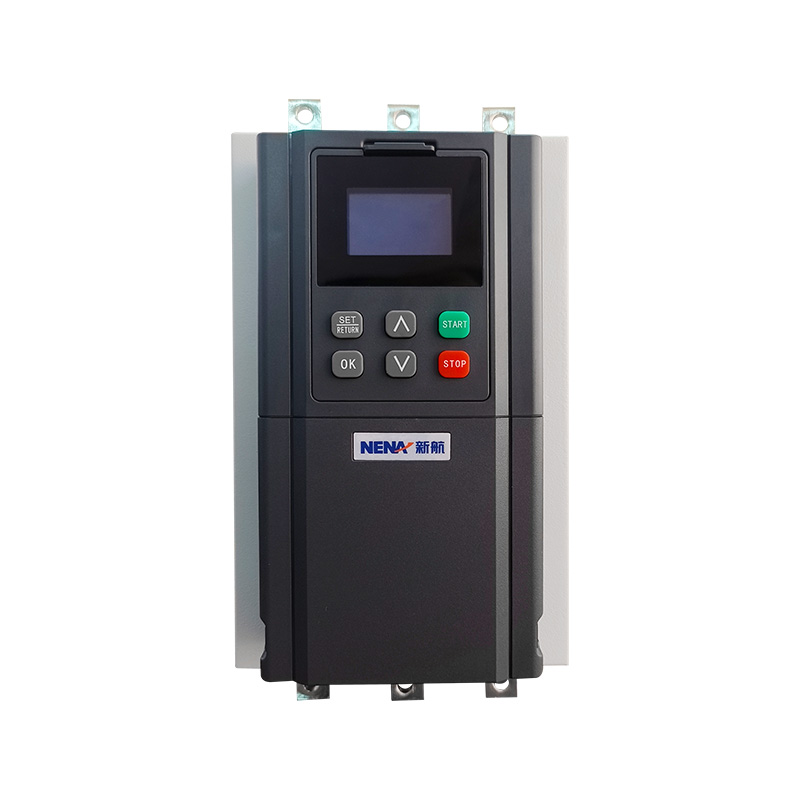
Three-phase motor soft starters and Soft Starter Cabinet solutions play a key role in managing motor operations across industrial settings. Many facility managers and engineers notice fluctuations in electricity bills or ask why power usage seems inefficient even when equipment runs normally. A common area of interest involves power factor, which measures how effectively electrical power converts to useful work in three-phase systems. The question arises: Why does a Three-Phase Motor Soft Starter improve power factor daily?
Power factor reflects the ratio of active power (which performs actual work) to apparent power (the total power supplied). In three-phase induction motors, typical in pumps, fans, conveyors, and compressors, the power factor often sits below 1 due to the inductive nature of the motor windings. These windings require reactive power to create magnetic fields, so part of the current drawn does not contribute to mechanical output. This results in higher apparent power demand from the utility, potentially increasing costs through penalties or requiring larger infrastructure.
Understanding Power Factor in Motor Operations
Induction motors draw more current for magnetization when running at partial loads. At full load, the power factor may reach 0.85–0.9, but under lighter conditions—common in applications like variable-flow pumps or fans operating at reduced demand—the reactive component grows relative to active current. Voltage-dependent losses remain present, but the active portion scales with load, shifting the balance and lowering the power factor. Utilities monitor this metric because low values mean more current flows through lines and transformers for the same useful work, raising system losses.
The Role of Voltage Control in Soft Starters
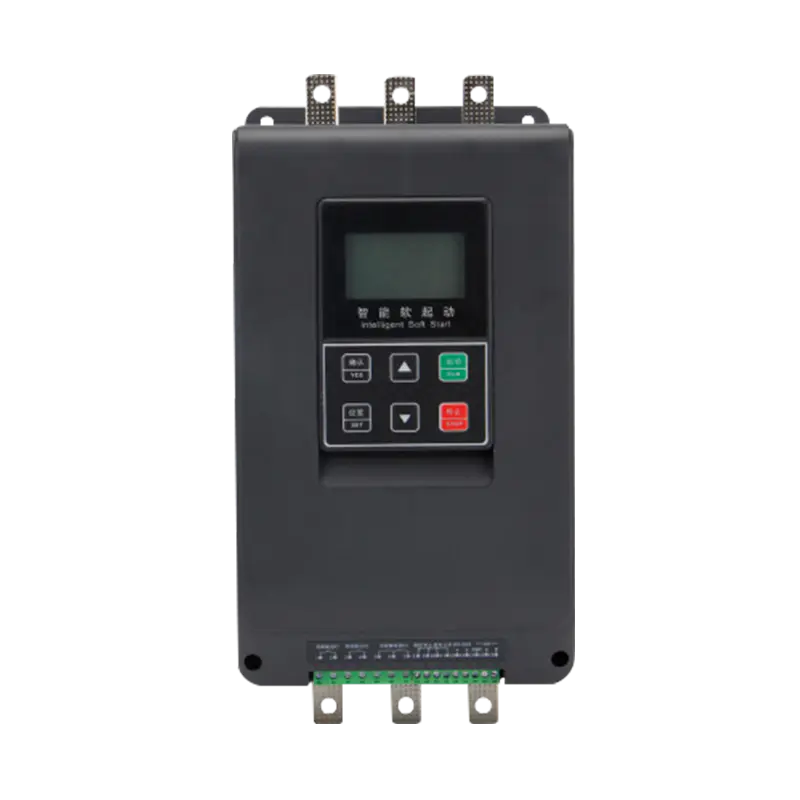
A Three-Phase Motor Soft Starter uses thyristors (SCRs) in each phase to control the voltage applied to the motor. During startup, it ramps voltage gradually to limit inrush current and torque. Once the motor reaches operating speed, the device typically bypasses the thyristors via a contactor, allowing full voltage from the supply.
In certain designs, especially those with integrated or advanced control features, the soft starter maintains some level of voltage adjustment or phase control during running conditions. When the motor operates below full load, reducing the applied voltage slightly decreases the magnetizing current drawn by the motor. Magnetizing current depends on voltage; lowering it reduces the reactive power component without significantly affecting the torque-producing active current, which ties more directly to mechanical load.
This adjustment helps shift the current phasor closer to alignment with voltage, raising the power factor. The effect appears daily because many motors spend considerable time at partial loads—HVAC fans modulating airflow, water pumps handling varying demand, or conveyors running intermittently. Over extended operation, the cumulative impact shows in steadier current draw and less reactive power circulating in the system.
Practical Impact on Daily Operations
In water treatment facilities, pumps often run at 50–80% load to match flow needs. A soft starter that supports voltage reduction in running mode can help maintain a more consistent power factor across these conditions. Operators observe reduced current for the same output, which translates to lower line losses and potentially fewer issues with voltage drops in long cable runs.
For construction or mining equipment like compressors and cranes, duty cycles include idle periods or light loading. Here, the ability to manage reactive components contributes to more stable electrical performance, reducing strain on generators or portable power sources often used on-site.
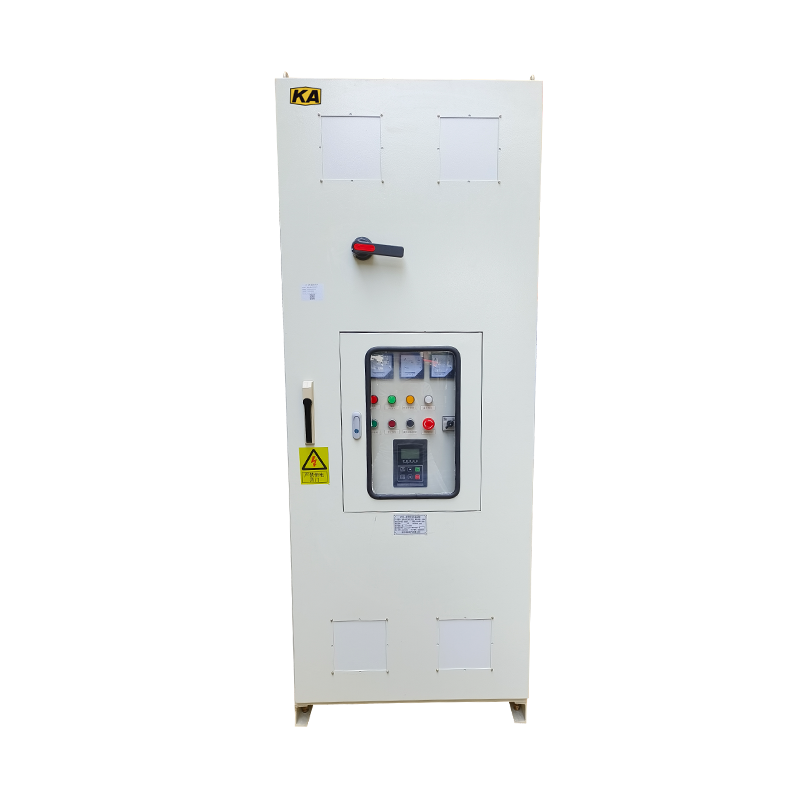
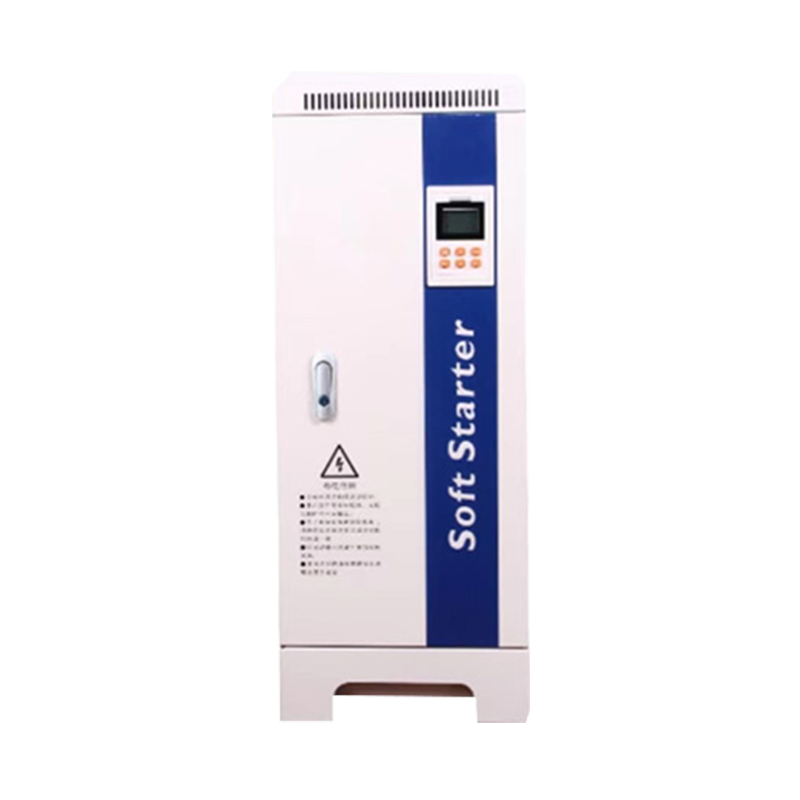
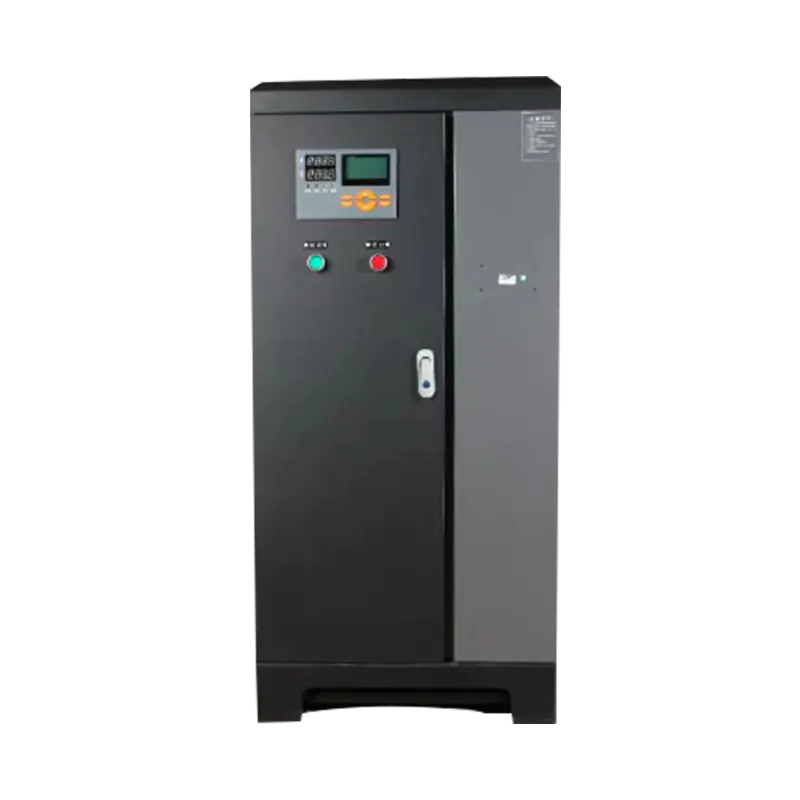
In industrial setups with multiple motors housed in a Soft Starter Cabinet, grouping controls in one enclosure allows centralized monitoring. Real-time displays show parameters such as current, voltage, and sometimes derived values like power factor. When adjustments to ramp settings or protection thresholds align with load profiles, the system operates with less wasted reactive power. Error logging captures anomalies, so technicians can fine-tune parameters based on actual usage patterns.
Installation and Adjustment Considerations
Setting up a Three-Phase Motor Soft Starter or integrating it into a Soft Starter Cabinet involves matching the device to motor ratings and application needs. Adjustable parameters let users configure starting ramps and, where supported, running voltage levels. In partial-load scenarios, small reductions in voltage—while keeping torque sufficient—can influence reactive current draw. Monitoring tools help verify changes: compare power factor readings before and after adjustments under similar loads.
Maintenance teams benefit from this approach in dusty, humid, or high-temperature environments typical of mining or wastewater sites. The compact design of cabinets saves panel space, and built-in protections against overload, overheat, and phase imbalance help sustain performance without frequent interventions.
Applications Where This Matters
Pumps in wastewater treatment see variable flows throughout the day. Smooth control reduces surges, and any improvement in power factor supports consistent energy use. Fans and blowers in ventilation systems adjust speeds based on air demand; here, managing reactive power helps avoid unnecessary current draw during lower-output periods.
Compressors in construction often cycle on and off or run partially loaded. Gradual voltage management during operation contributes to steadier electrical behavior. In all cases, the daily benefit stems from aligning electrical input more closely with mechanical output requirements.
Facility teams tracking energy data often find these adjustments provide measurable differences in monthly utility readings, especially where motors represent a large portion of consumption. The combination of smooth starts, protection features, and ongoing voltage influence makes the Three-Phase Motor Soft Starter a practical component for managing power quality in real-world conditions.



 English
 中文简体
中文简体 عربى
عربى




 浙公网安备33038202003754号