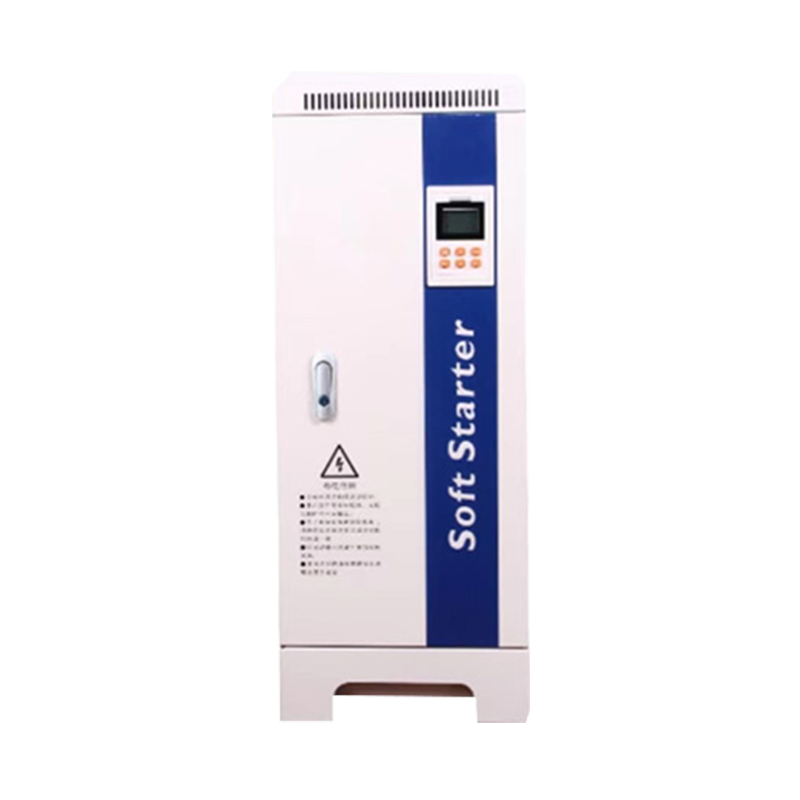
Factories use many three-phase motors to run pumps, fans, conveyors, and compressors. The way these motors start affects total power use. A Three-phase motor soft starter inside a Soft Starter Cabinet controls the voltage at the beginning. It raises the voltage slowly. This cuts high inrush current. It reduces big, short energy spikes when motors go from stopped to full speed.
What Three-Phase Motor Soft Starters Do for Energy
Three-phase motors pull 6 to 8 times their normal current when started directly. This big current causes voltage drops in the power lines. It makes the motor windings hotter. It also raises peak demand fees from the power company.
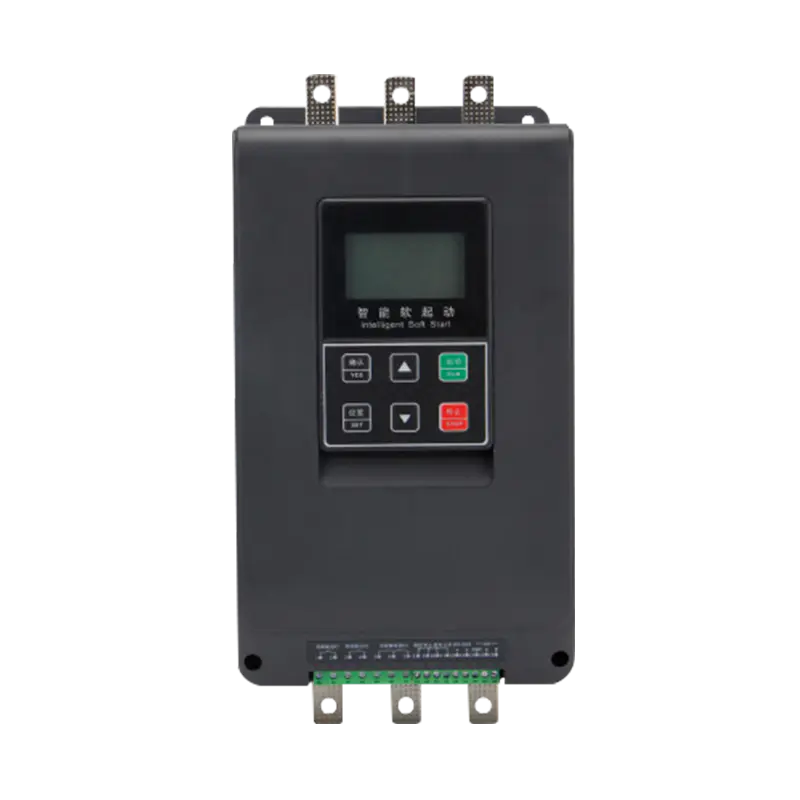
A soft starter uses electronic parts called thyristors in each phase. These parts increase voltage step by step over a few seconds to tens of seconds. You can change the time based on the load.
When the motor reaches full speed, a bypass contactor turns on. It sends power straight to the motor and skips the thyristors. This stops extra heat loss. The soft starter does not waste energy while the motor runs normally. So the startup uses less total energy. This helps a lot in places with many motor starts or big motors.
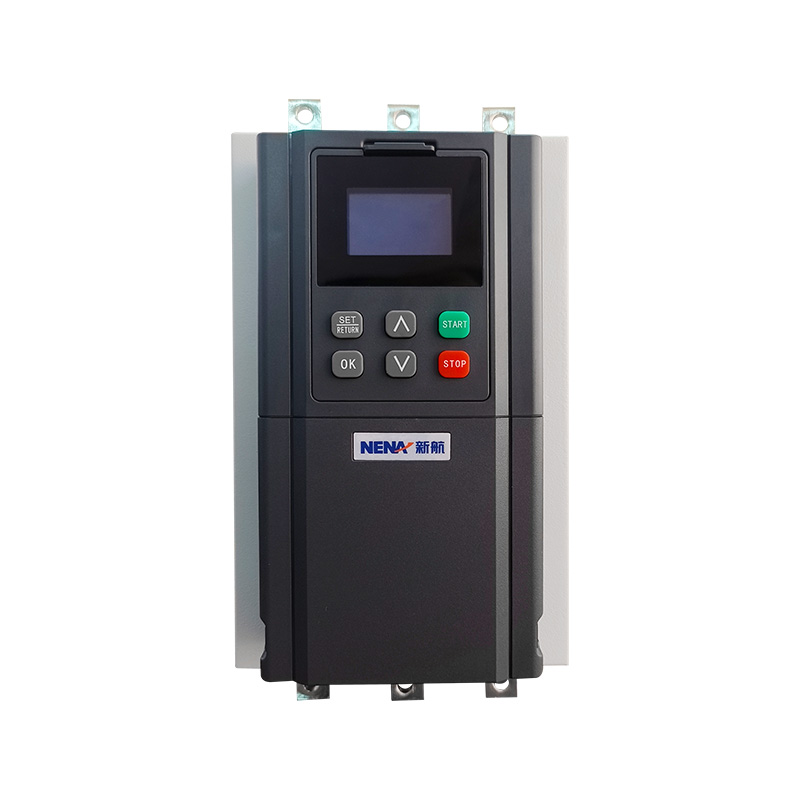
Where to Put Soft Starter Cabinets in a Factory
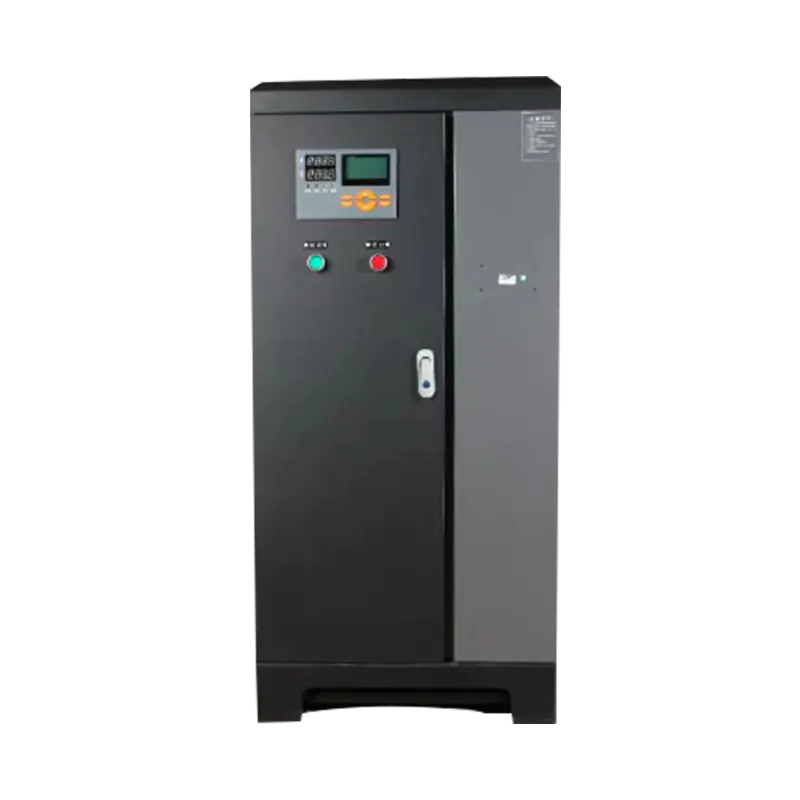
People usually put Soft Starter Cabinets in motor control centers or special electrical rooms near the main power panel. This makes wiring easy. The power comes in from the main panel. The power goes out to each motor.
In many cases, the cabinet sits between the control panel and the motors. The control panel may have PLCs or screens. Cable length stays short, normally under 100 meters. Short cables keep signals clear and reduce voltage drop.
For energy saving, put cabinets near big loads like main compressors or large fans. This way is easy to check and fix. It also helps the motors that use the power at startup.
In long conveyor systems, put cabinets closer to groups of motors. This shortens power cables and makes startup faster and smoother.
Airflow is important. Cabinets get warm during startup. Do not put them in tight or dusty spots with bad air. In places with changing temperature, use air-conditioned rooms. Good grounding and surge protection nearby help the system run steady without extra energy loss.
How Soft Starters Help Save Energy Every Day
The main benefit is lower inrush current. This reduces stress on transformers and switches. Lower peak current lets the power system work closer to normal level. It lowers the chance of false trips. It also means you may not need bigger equipment.
For example, when several pumps start one after another, soft starters spread out the demand. The load changes more smoothly over time.
Soft stop is another helpful function. It lowers voltage slowly so the motor slows down gently. This stops sudden force changes. It prevents water hammer in pumps. It stops belts from slipping on conveyors. These problems can cause damage. Damage means more stops and restarts. Soft stop helps avoid extra energy use from repairs and restarts.
Many cabinets let you adjust settings. You can change ramp time, starting torque, and current limit. Set light values for fans. Set heavier values for crushers. This matches the real load. It avoids using too much power. Some models show current, voltage, and fault records. These help you find problems like frequent overloads that waste energy.
Simple Steps to Add and Set Up a Soft Starter Cabinet
When you want to add a Soft Starter Cabinet to your system, check the motor data plate. Look at power rating, voltage, and full-load current. Also check the type of load.
Choose a unit that fits the motor and load. Make sure it controls all three phases.
Installation needs these steps:
- Connect the power input terminals.
- Connect the output terminals to the motor.
- Connect control wires for start and stop signals.
- Add bypass contactor if it is not built in.
After installation, test it with normal work. Watch the ramp-up. Check that bypass turns on correctly. Measure the inrush current. It is usually 50-70% lower than direct start.
If the motor takes too long to speed up, it wastes energy. If it speeds up too fast, it puts more stress on parts. Adjust the ramp time to find the right speed.
Check connections and ventilation from time to time. This keeps the system working well.
In factories that want to control power better, a good placement of Soft Starter Cabinets and correct settings give a real way to start motors with less effect on the power grid and daily work. This helps keep performance steady for different machines and answers common questions about energy use at motor startup.



 English
 中文简体
中文简体 عربى
عربى




 浙公网安备33038202003754号