In many industrial places, motor control is not about new ideas. It is about having equipment that runs well every day. When people talk about Bypass Soft Starters and External Bypass Soft Starters, engineers do not care much for sales talk. They care more about how these devices work in real life. Knowing how they are built, how they work, and where they can be used helps people choose the right product for their system. This is better than making the system fit the product.
From Start-Up Stress to Normal Running
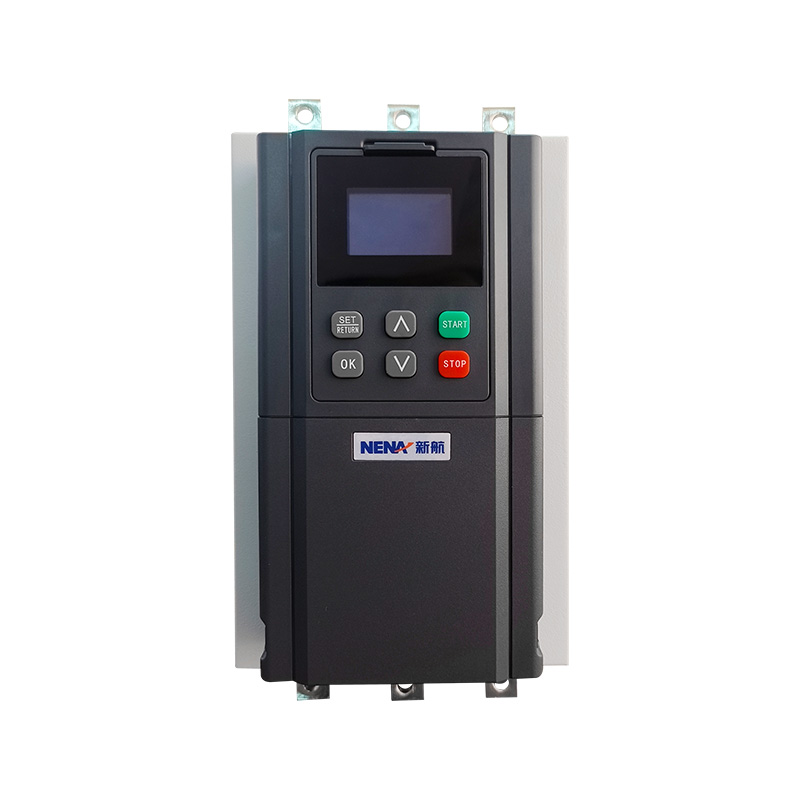
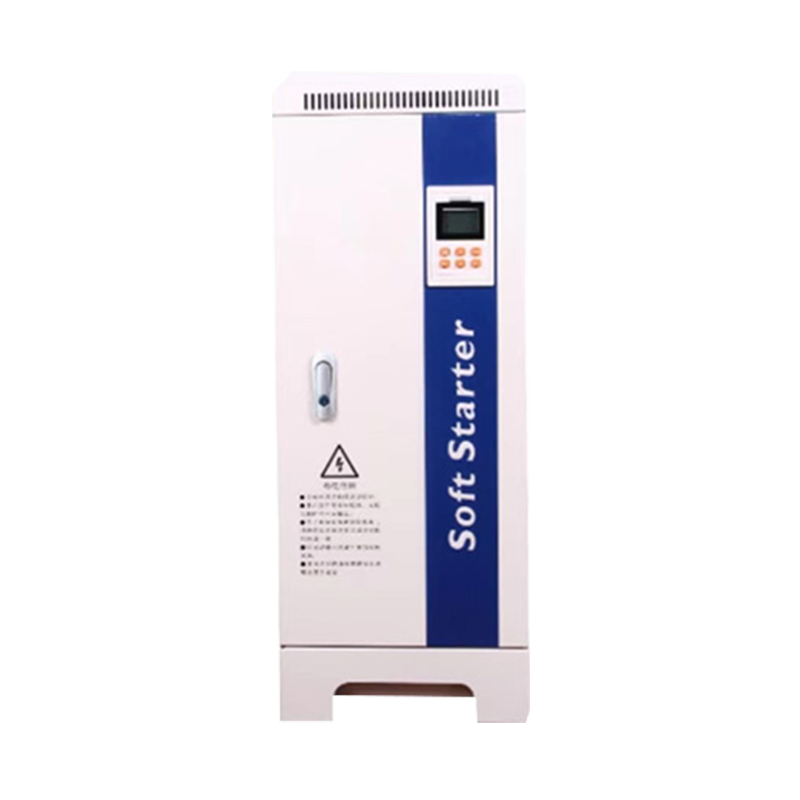
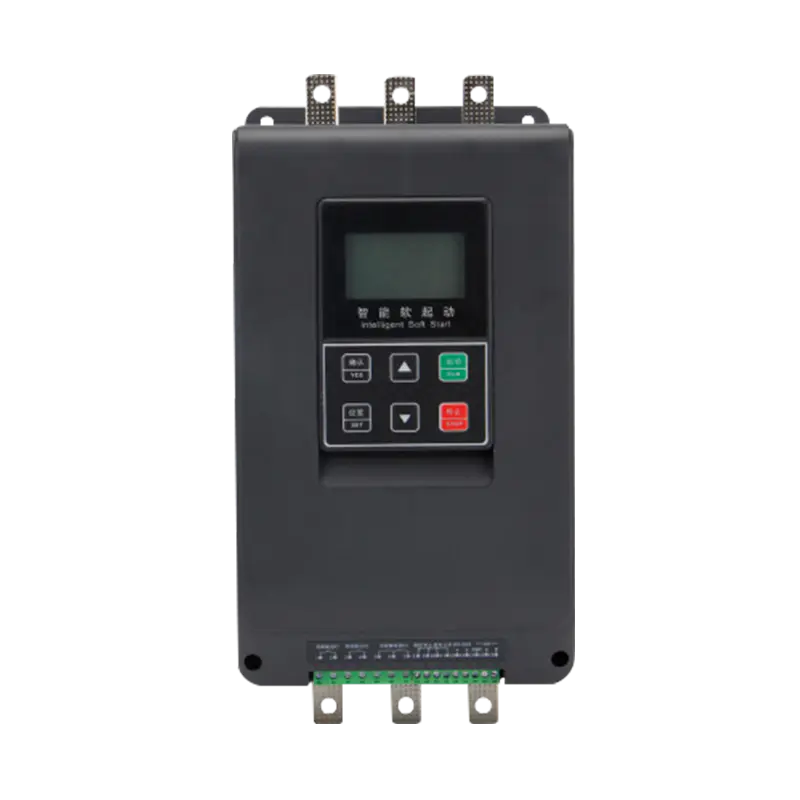
People who work with medium or large motors know this: starting a motor directly can cause a big rush of current and physical shock. Soft starters were made to fix this problem. They slowly increase the voltage when the motor starts. A bypass soft starter takes this idea further. It adds a bypass path once the motor reaches its full speed.
After the start-up time, a bypass contactor takes over. The current then flows without going through the main electronic parts inside the starter. This design creates less heat in the control parts during normal running. It also means less constant power loss. For users, the important thing is not the theory. The important thing is how this design changes the temperature inside the cabinet, how long parts last, and how often you need to check them.
What an External Bypass Soft Starter Does
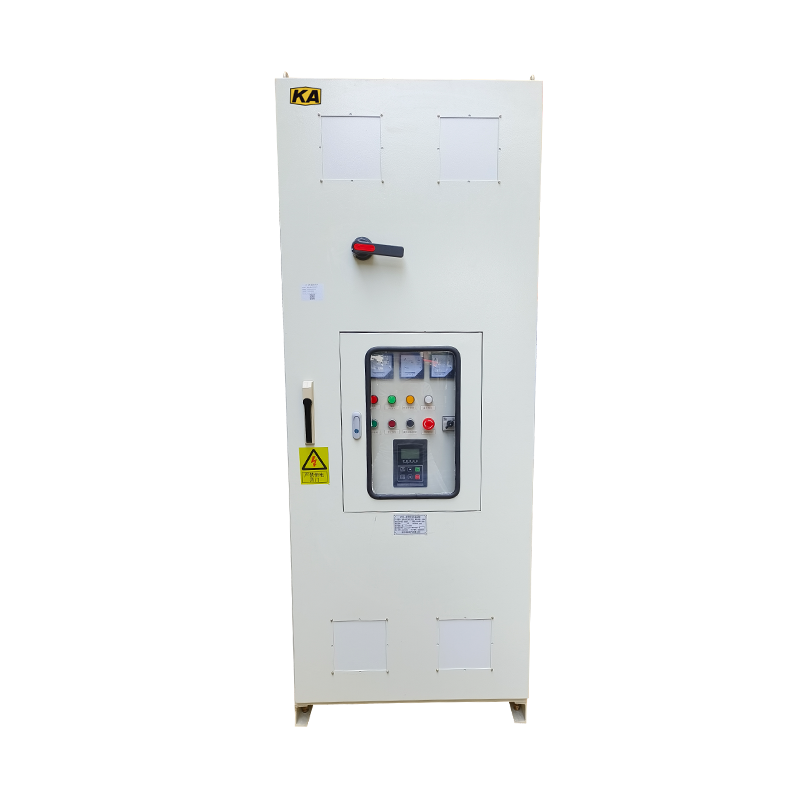
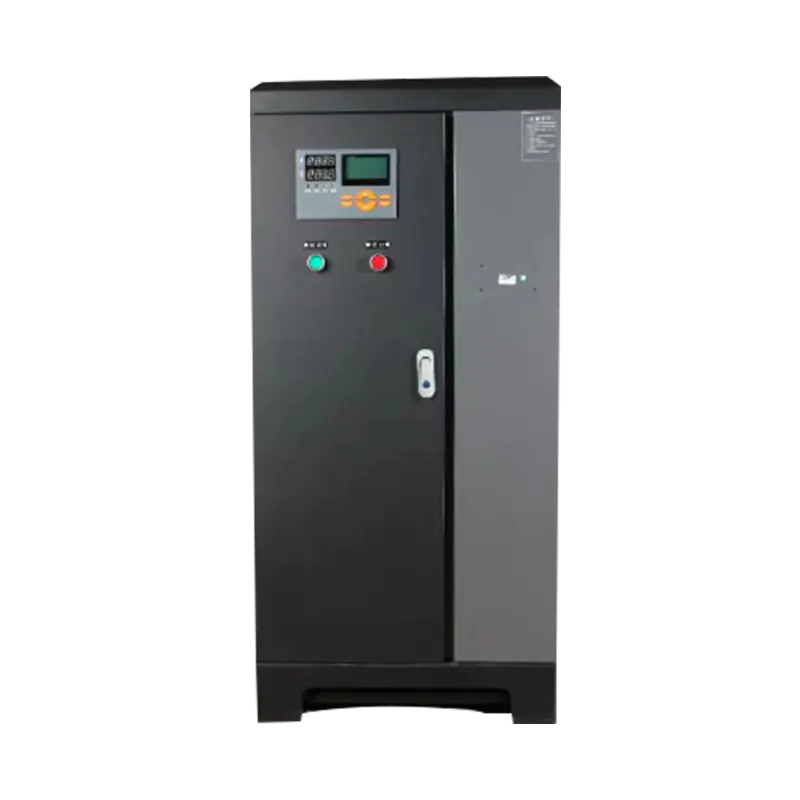
An External Bypass Soft Starter is different. It puts the bypass contactor outside the main soft starter unit. The parts are not all in one box. Instead, the bypass contactor is mounted separately, usually inside the same control cabinet. This gives more freedom for how to arrange the panel. It also makes it easier to pick a contactor size that fits the motor's real running current.
In real projects, the external bypass setup is often used when motors run for a long time after starting. The main electronic parts are only working during starting and stopping. So, the system avoids extra heat stress during constant running. This design also makes finding problems simpler. If a bypass contactor needs to be checked or changed, you can often do it without touching the soft starter itself.
How Bypass Soft Starters Change Energy and Heat
People often think soft starters always save energy. But this is only true depending on how they are used. During start-up, they control the energy by slowly increasing voltage. After the bypass turns on, the motor runs almost like it is connected directly to the power. There is no continuous electronic control then.
The real benefit is about managing heat, not always saving energy. By switching to bypass mode, the parts inside make less heat. This helps keep the cabinet temperature stable. This is very useful in small cabinets or places with little air flow. Over a long time, lower inside temperatures can help the system run more predictably. It can also mean fewer problems caused by heat.
Where Bypass Designs Work Well
Bypass soft starters are often used in pumps, fans, compressors, and conveyors. These are systems where motors start under load and then run without stopping. In water pump control systems, for example, a soft start helps reduce shock in the pipes. Then, bypass running helps the pump stay steady for a long time.
For conveyor systems, reducing physical stress at start-up protects the belts and gears. After reaching normal speed, the bypass path lets the motor run without extra electronic losses. For engineers, these real-world points are often more important than a list of features when they pick motor control equipment.
Points to Think About for Installation and System Setup
When you put a bypass soft starter into a control system, you must make it work with other devices. Protective devices like circuit breakers and overload relays must be chosen based on the motor's rated current. You cannot choose them just based on the soft starter's control size. For external bypass setups, you must plan the wiring layout and safety logic carefully. This avoids having two current paths open at the same time, which could be unsafe.
Control signals for the bypass contactor are usually handled by the soft starter's own logic. This makes sure the bypass turns on only after the motor speed is stable. For users, knowing this sequence helps when they set up the system. It also helps avoid wrong ideas about how the system acts during tests.
Testing, Approval, and Long-Term Use
Before use, bypass soft starter systems usually go through tests. These tests copy start-up, bypass switch-over, and normal running. Checks on electrical performance, temperature, and vibration are often part of this. Marks like CCC and ISO9001 show the products passed standard tests. But testing at the actual site is still a key step to make sure everything works with the real load.
After long-term use, regular checks should look at contactor wear, if the wire connections are tight, and if control signals are stable. Because the bypass contactor carries the current, its quality and upkeep directly affect how reliably the system runs.
Picking Between Built-In and External Bypass
No single choice is perfect for every project. Built-in bypass designs use less wiring and save space inside the cabinet. External bypass soft starter solutions give more freedom for custom systems. The choice usually depends on motor size, how long it runs, how you want to maintain it, and how much installation space you have.
For people planning new setups or upgrades, looking at real running conditions is key. Do not just look at the spec sheet. Knowing how bypass soft starters work every day helps match what you expect with what really happens. This supports stable motor control in all kinds of industrial places.



 English
 中文简体
中文简体 عربى
عربى




 浙公网安备33038202003754号