Motor starting is not just a parameter set in a control panel. In daily operation, it is closely connected to how smoothly equipment runs, how often faults occur, and how much time maintenance teams spend on adjustments. Many users encounter similar issues on site: high inrush current at startup, noticeable mechanical vibration, frequent load changes, or rising temperature inside the cabinet. It is in these real conditions that the Bypass Soft Starter and External Bypass Soft Starter are being applied more frequently, not as theoretical options, but as working solutions.
Starting the Motor Is Where Many Problems Begin
For many operators, the stressful moment in a motor’s working cycle is the start. A direct-on-line start can cause current spikes, sudden torque, and visible movement in connected equipment. Over time, this can affect couplings, pipes, belts, and even electrical protection devices.
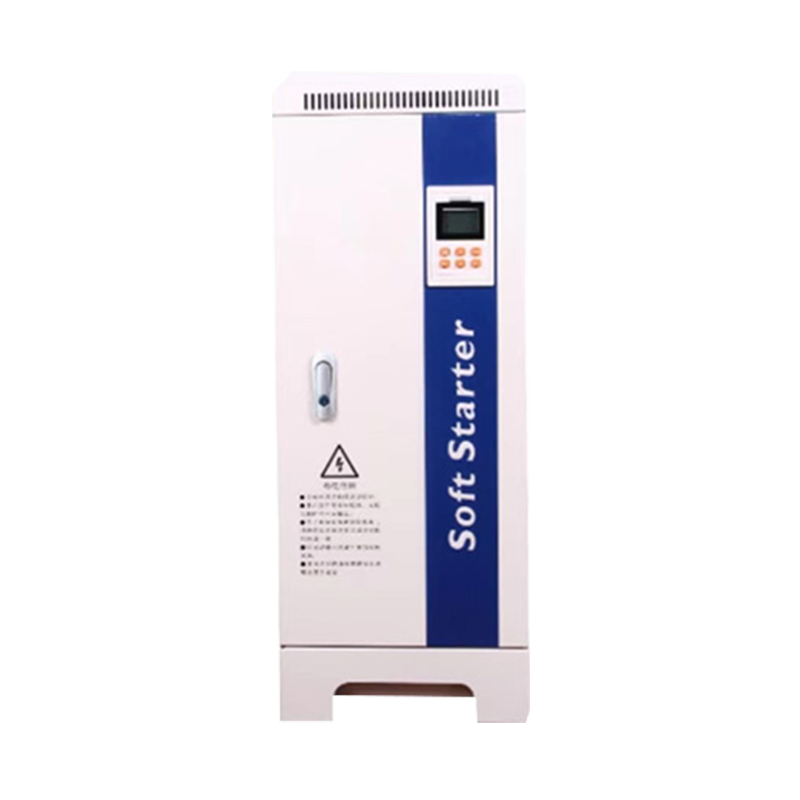
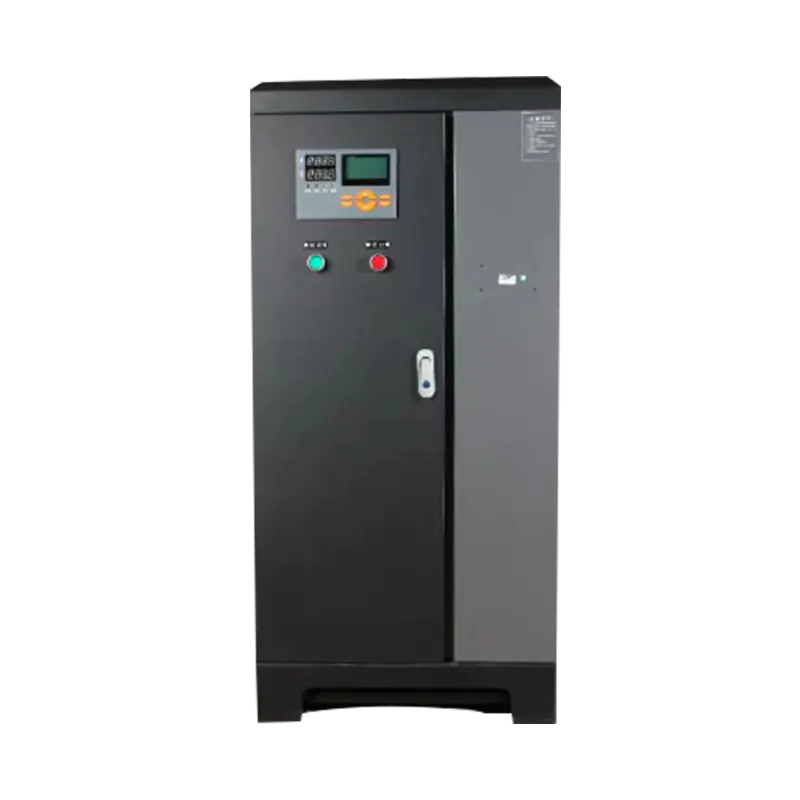
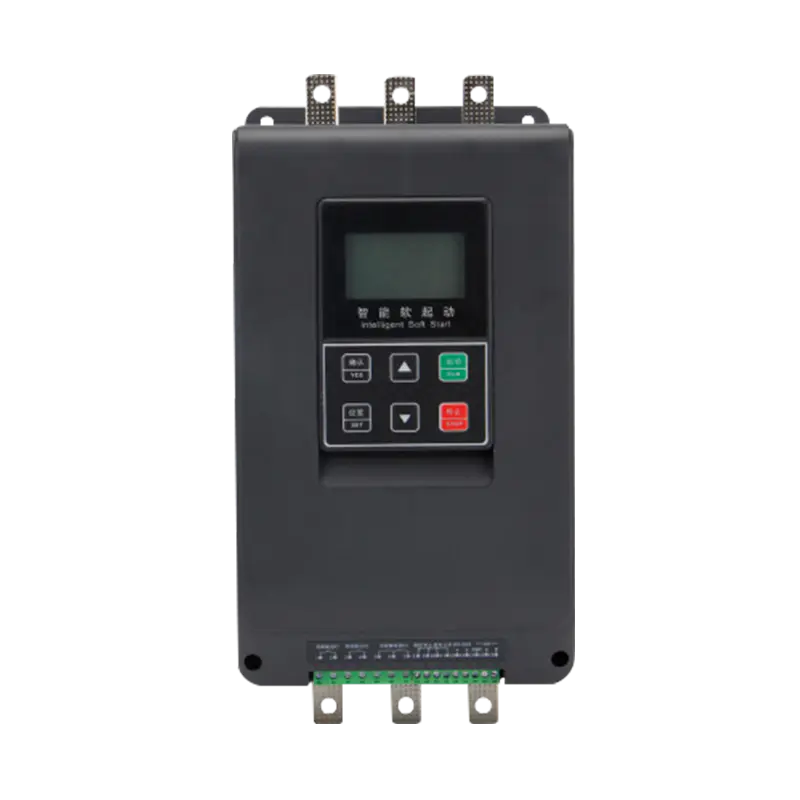
A Bypass Soft Starter approaches this moment more gradually. During startup, voltage is increased step by step, allowing the motor to accelerate in a controlled manner. Once rated speed is reached, the bypass contactor takes over, and current flows directly to the motor without continuing through the power control components.
From the user’s perspective, the result is simple: the motor starts more smoothly, and the system settles into normal operation without unnecessary disturbance.
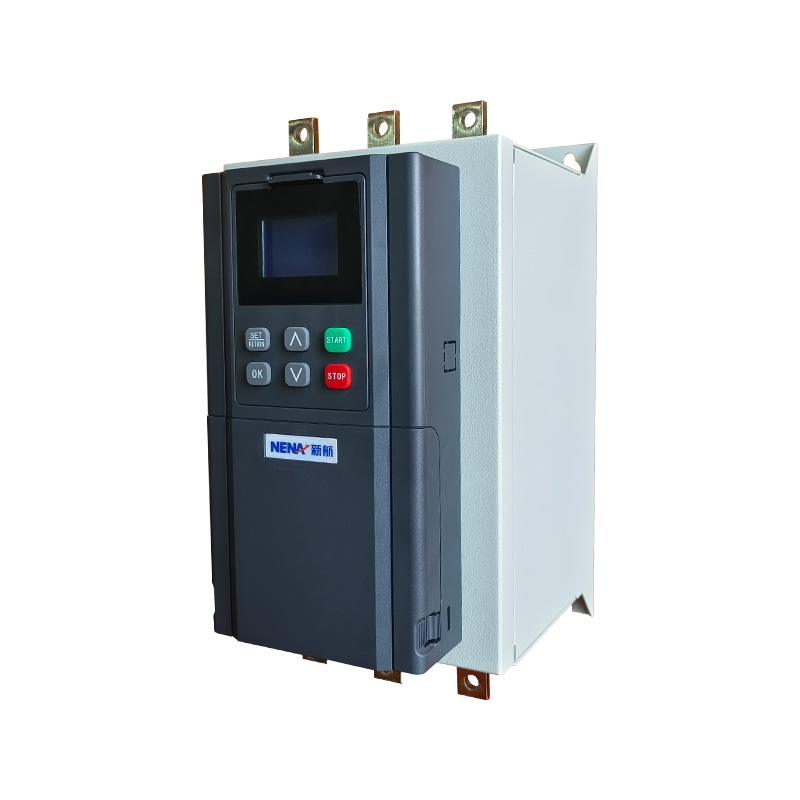
Why Some Projects Prefer an External Bypass Soft Starter
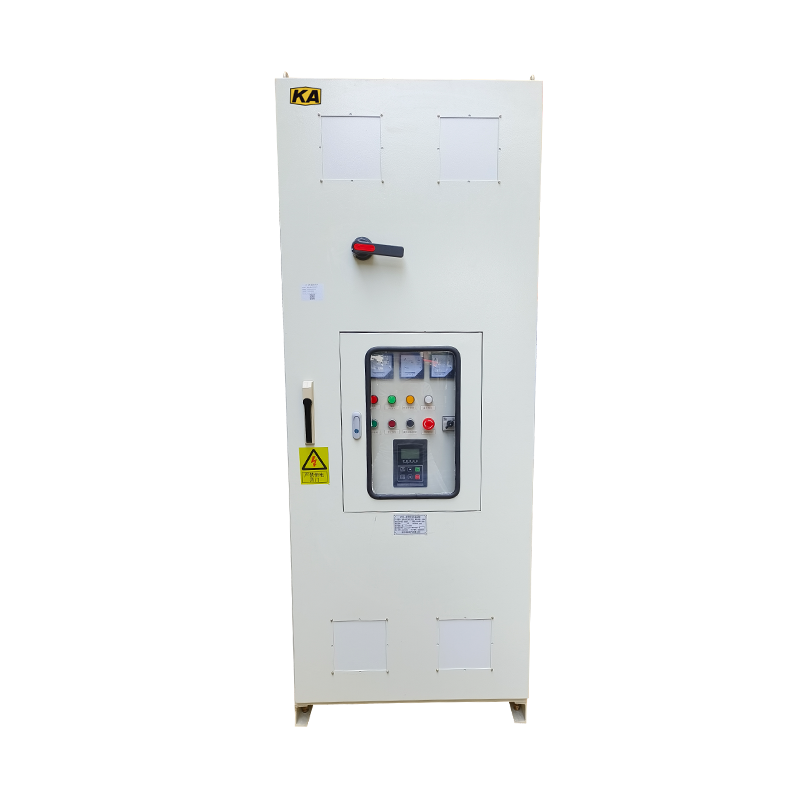
Not every site chooses an integrated bypass design. In many cases, an External Bypass Soft Starter is selected because it fits better with existing control cabinets or established wiring standards.
With an external bypass, the contactor can be chosen separately according to motor capacity and operating frequency. This gives engineers more freedom when working with different motor ratings or when upgrading older systems. It also allows the bypass circuit to be serviced independently, which can be helpful in plants where stopping the entire system for inspection is not an easy option.
In practical terms, this configuration is often seen in pump rooms, ventilation systems, material handling lines, and compressor stations—applications where motors start under varying conditions and must return to steady operation reliably.
Responding to Load Changes During Startup
In real applications, motors rarely start under identical loads every time. A pump may start against a full pipeline, or a conveyor may already carry material. These variations directly affect starting behavior.
Bypass soft starters are designed to respond to such differences by adjusting the acceleration process based on detected load conditions. When resistance is higher, the startup time can be extended to reduce stress on both the motor and the driven equipment. When the load is lighter, the transition to rated speed can occur more quickly without abrupt changes.
This adaptive behavior helps users avoid repeated parameter changes and reduces the likelihood of startup-related alarms.
Heat Management and Cabinet Space in Daily Use
Heat inside a control cabinet is a common concern, especially where space is limited. During the starting phase, power components naturally generate heat as they regulate voltage and current. A bypass structure helps address this by limiting how long these components carry full motor current.
Many modern soft starters are developed using simulation tools to study internal airflow and thermal distribution. Even with a compact structure, careful layout and ventilation design allow heat to be dispersed more evenly. After the bypass circuit is engaged, internal heat generation is significantly reduced, supporting stable conditions during continuous operation.
For users working with compact cabinets or high ambient temperatures, this design approach can make long-term operation more manageable.
How Engineers Usually Approach Selection
In practice, selection is rarely based on a single specification. Engineers tend to look at how often the motor starts, how much the load varies, whether future expansion is likely, and how maintenance is handled on site.
A Bypass Soft Starter may suit new installations where wiring simplicity is preferred. An External Bypass Soft Starter may be easier to integrate into existing systems or projects with wider power ranges. Neither option is universally better; the right choice depends on how closely the configuration matches actual operating conditions.
Reviewing wiring methods, protection coordination, and control logic in advance often prevents unnecessary adjustments during commissioning.
Focusing on Use Rather Than Concepts
In everyday operation, a bypass soft starter does not need constant attention. Its value is reflected in smoother starts, stable running, and fewer interruptions caused by startup issues. When operators can start equipment without concern and maintenance teams spend less time responding to avoidable faults, the system is doing what it was intended to do.
If you are evaluating motor starting solutions or comparing Bypass Soft Starter and External Bypass Soft Starter options, looking at your real working environment is a good place to begin. When the application fits the configuration, the result is not complexity, but practical coordination that supports daily operation.



 English
 中文简体
中文简体 عربى
عربى




 浙公网安备33038202003754号