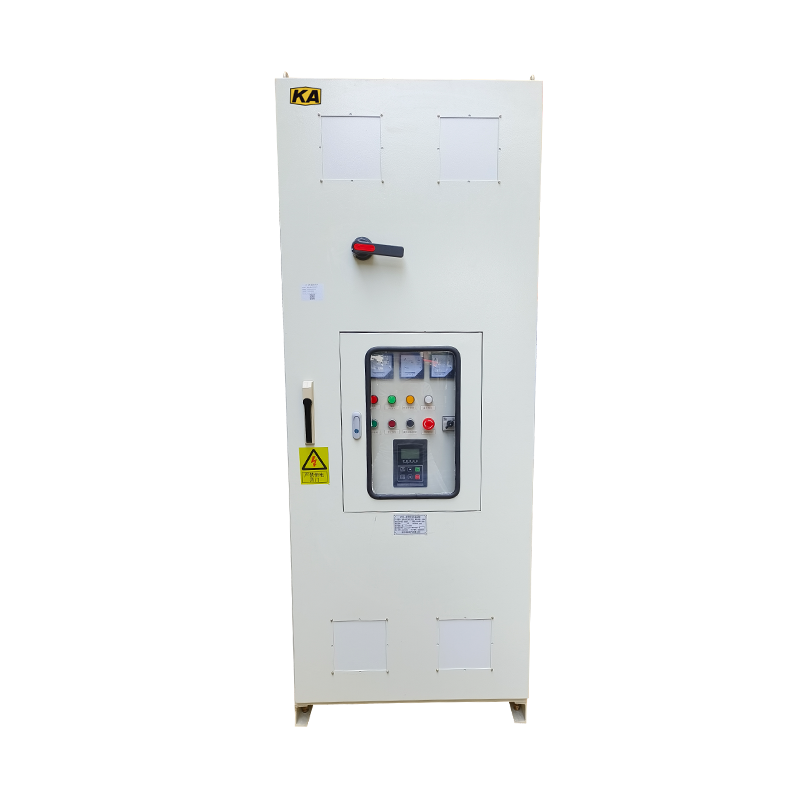
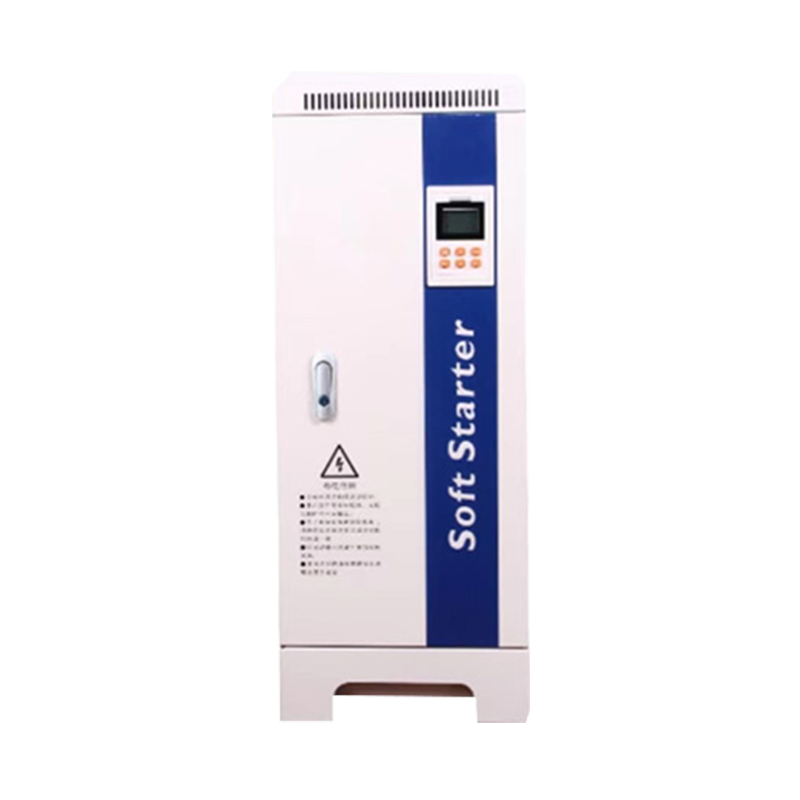
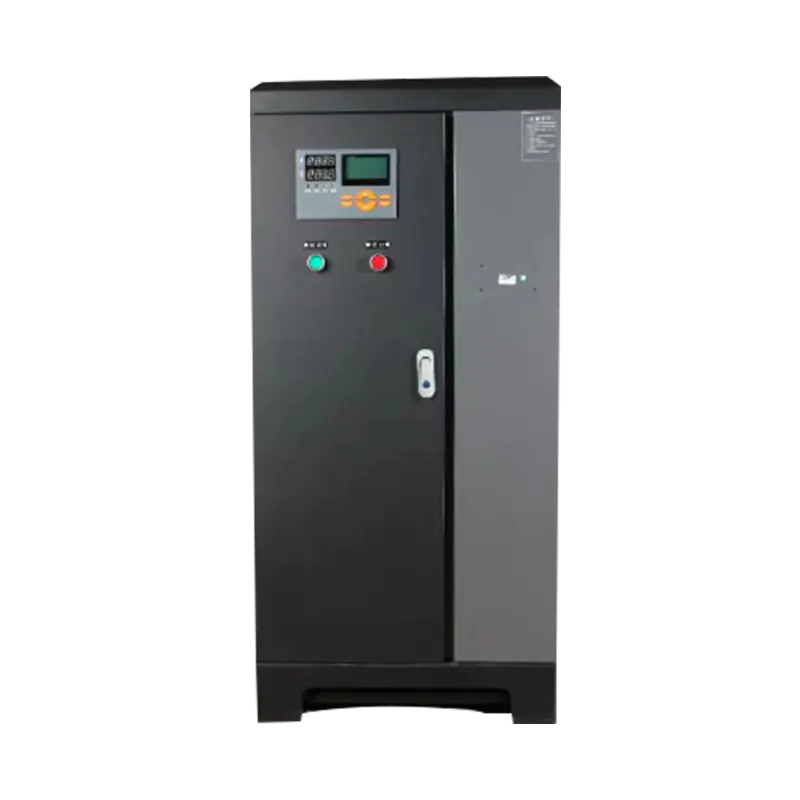
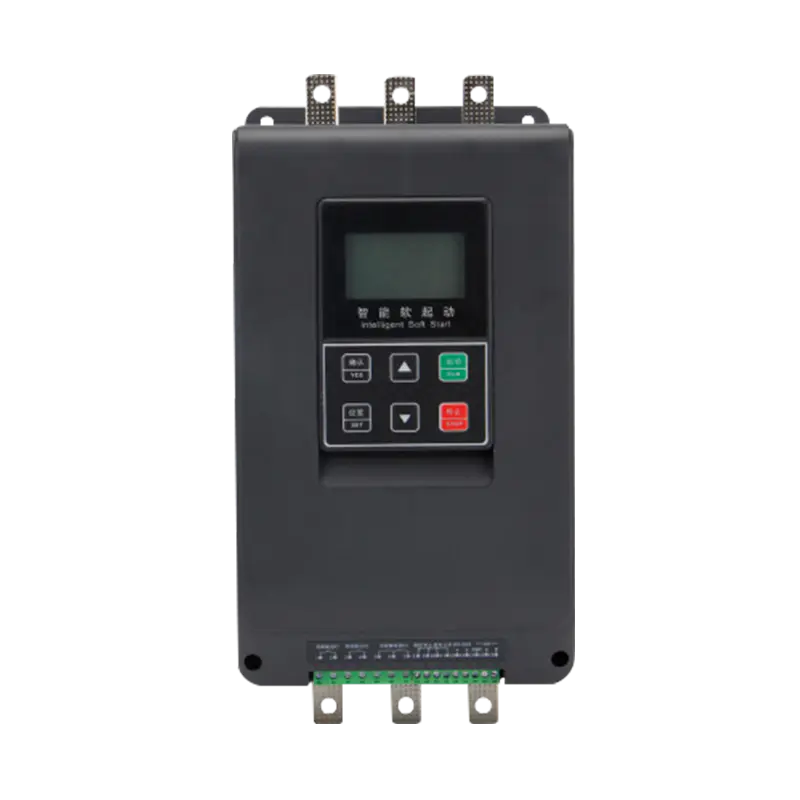
Today, we will talk about a motor control solution. It is often used for medium and high-power motors. This solution is the External Bypass Soft Starter. In many industrial places, people choose a Bypass Soft Starter. The reason is not for looks, but for its practical job. It controls motor startup, protects equipment, and helps with stable long-term running. Knowing how this soft starter is made and used can help users choose the right motor control equipment.
Development Background and Control Platform
An External Bypass Soft Starter is built on a modern control platform. This platform allows fast data processing. It also gives precise control during motor start and stop. The controller uses current motor control theory and protection logic. It forms a control system that can adapt. It does not just follow a fixed startup pattern.
During work, the controller watches motor current, voltage, and running status all the time. Using these signals, it changes the voltage and startup timing. It fits the real load condition. This method works well when loads change. Examples are pumps with different water pressure or fans with different airflow.

How the External Bypass Structure Functions
The main point of this product is its external bypass design. When the motor starts, the soft starter controls voltage through its internal parts. This lets the motor speed up smoothly. After the motor reaches full speed and current is normal, an external bypass contactor closes. Then the motor connects directly to the power supply.
At this time, the soft starter is not in the main current path anymore. This design reduces heat inside the soft starter during long running. It also lets the control unit focus on watching and protection tasks. For users, this means the soft starter works mainly during start and stop. The bypass circuit takes over during steady running.
Motor Protection Functions in Practical Use
Protection is a key reason users pick a Bypass Soft Starter. This type of soft starter often has many protection functions. These cover common electrical problems in industrial places.
A main protection is overload protection with a time delay. It does not act right away for a short current rise. Instead, it follows a time rule. A higher overload means a shorter allowed time. This matches how motors handle heat. It helps stop damage from long overloads, not short ones.
Other protections watch for missing phases, uneven phases, bad voltage, long startup time, and wrong current. Together, these give a clear response to common faults. This helps workers find problems faster when fixing issues.
Suitable Industries and Application Scenarios
External Bypass Soft Starter solutions are used in many industries with tough motor conditions. In metal and mining, motors run heavy machines. Soft start reduces physical shock. In oil and gas, soft starting helps pumps and compressors. Sudden force changes could harm pipes or seals.
Water pump and fan systems are also common uses. Slow startup lowers water hammer and stress on the power system. In places with many motor starts, this controlled method helps the whole system run smoother.
Voltage Levels and Power Range Coverage
In real projects, matching the power system is important. External Bypass Soft Starter models come for common voltages like 220V, 380V, 480V, and 660V. Power coverage usually goes from 5.5 kW to 800 kW. This lets the same control idea work for different motor sizes.
This wide range helps engineers plan motor control for many machine types. It also helps standardize equipment in a factory. This makes operation and repair simpler.
Installation and System Configuration Considerations
Because the bypass contactor is outside, installation needs careful planning. The soft starter unit, the bypass contactor, and the control wiring must work together. This setup has more parts than some designs, but it offers flexibility. You can choose parts and plan repairs more freely.
If a bypass contactor needs a change, it can be done alone. The soft starter control unit is not affected. This separation is good where stopping the machine must be short.
Addressing Common User Concerns
Users often ask if an External Bypass Soft Starter uses more power in normal running. After the bypass is on, the motor runs straight from the power supply, like a normal starter. The soft starter does not control current during steady run.
Another question is about reliability with many starts. The soft starter mainly handles current during start and stop. So, stress on its parts is only for short times. With correct settings and protection, it can work well every day.
Practical Role in Motor Control Systems
A Bypass Soft Starter with an external bypass is made to solve common work problems. It does not add unneeded complexity. It combines controlled startup, full protection, and flexible setup. This supports stable motor running in many industrial places.
For users picking motor control, knowing how an External Bypass Soft Starter works in daily use is helpful. It makes clear if this solution fits their application, power system, and repair plans.



 English
 中文简体
中文简体 عربى
عربى




 浙公网安备33038202003754号