Seeing how a Bypass Soft Starter or an External Bypass Soft Starter is built helps you understand what to expect. It shows you things about its performance, the parts used, and how reliable it is. Many people only look at catalogs or short website details. But seeing the real making process shows you things that affect how well it installs, how long it lasts, and if it fits your other equipment. A factory visit is a solid way to check if the product truly fits your needs.
How Building Methods Change a Bypass Soft Starter's Action
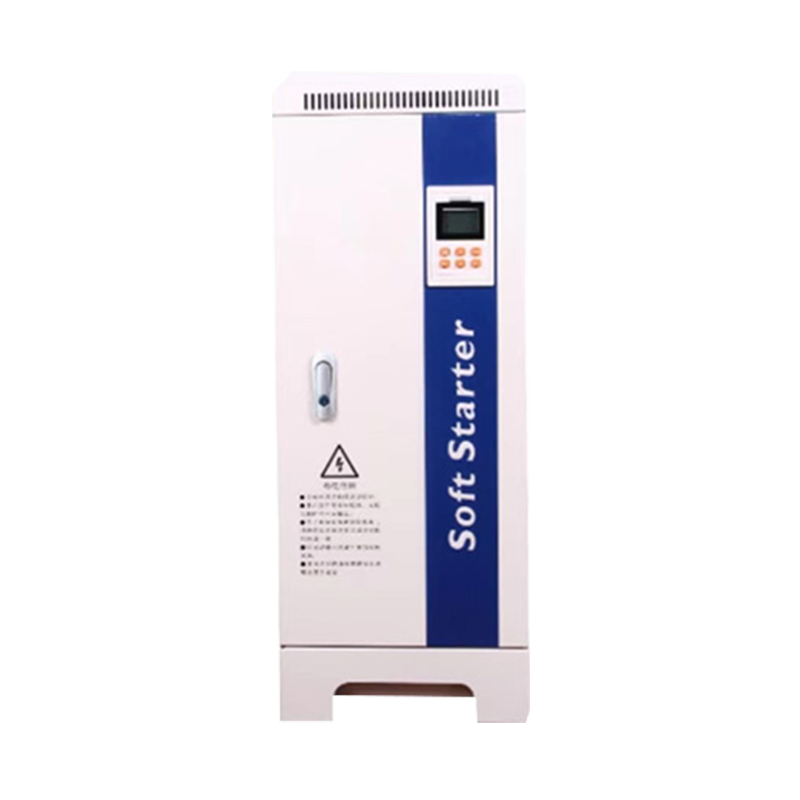
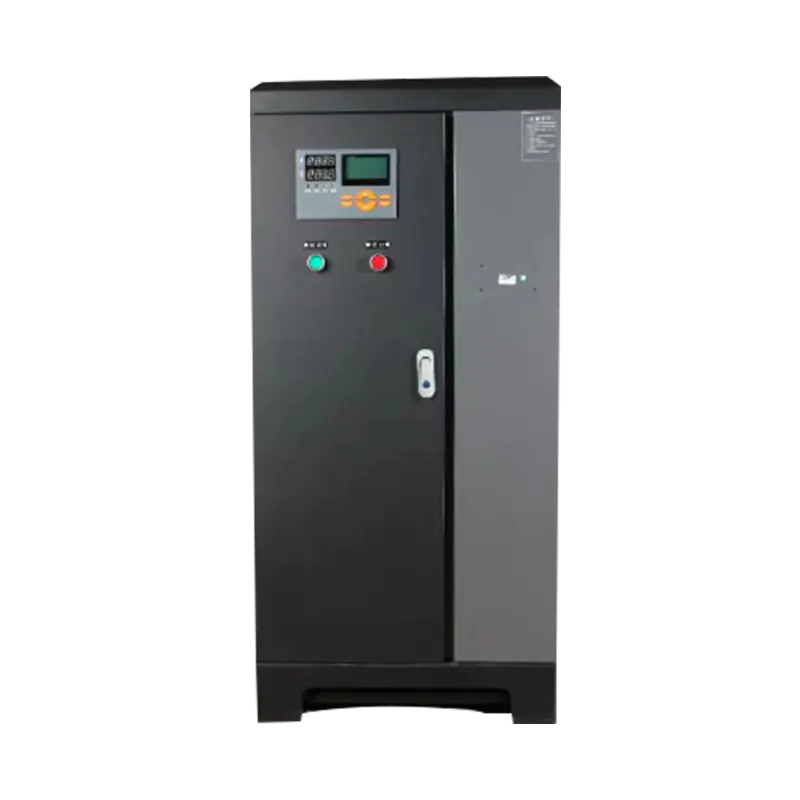
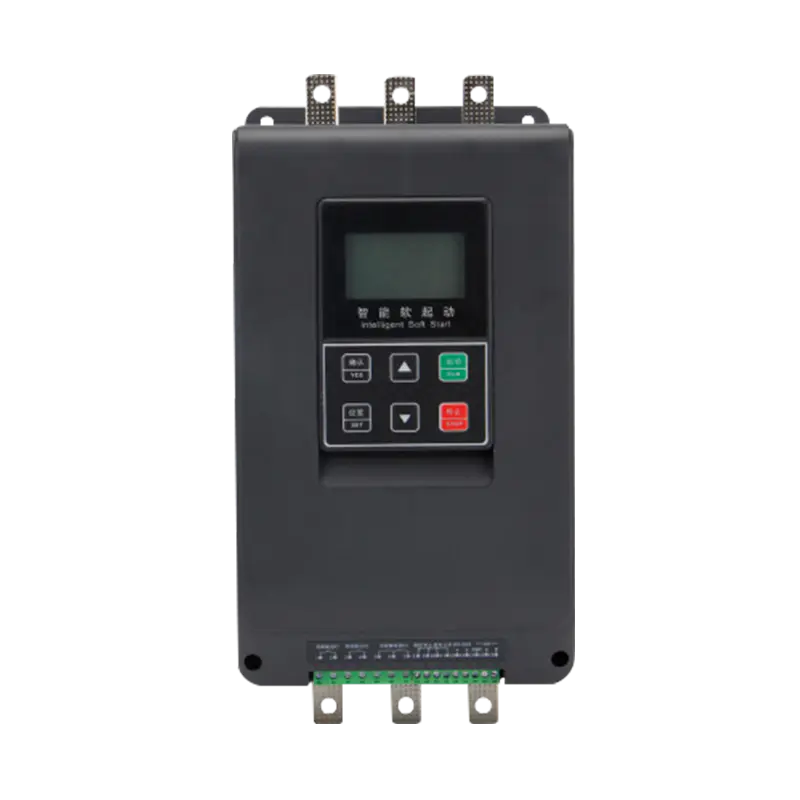
These devices work in different electrical and mechanical conditions. Watching them being made helps you see how each part helps the device work steadily. A Bypass Soft Starter has power parts, control boards, protection circuits, and cooling systems. In a factory, you can watch how each section is put together and tested.
For instance, the quality of the thyristor modules directly changes how smoothly the starter controls current during motor start-up. The way heat sinks and fans are arranged shows if the design is good for long running times. Even simple things like wire paths and the space between terminals show how easy the device is to install in a cabinet. You often miss these details in a catalog, but they matter a lot in real use.
Factory engineers can also explain why certain start or stop settings are used. They can show how adjustments change the turning force and which motor types work good with each model. For people buying starters for pumps, compressors, or fans, this helps pick the right device for the machine's load without extra setup trouble.
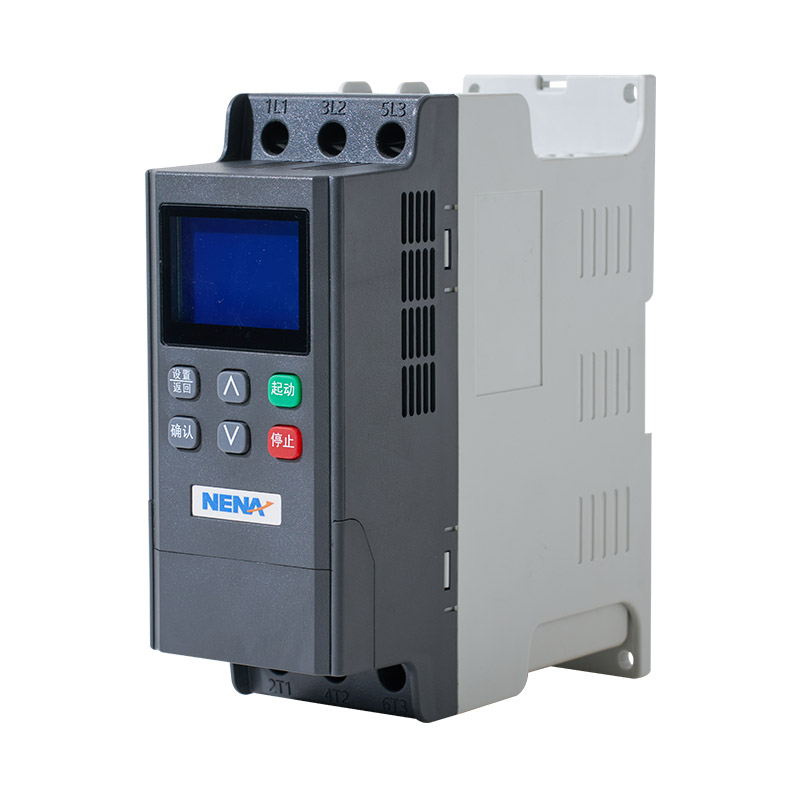
What You Can Learn About External Bypass Soft Starter Uses
An External Bypass Soft Starter has a setup where the bypass contactor is separate from the main soft-start unit. This design is often used where the motor runs a long time at full speed. Here, the starter handles the slow speed increase, then shifts the motor to the external bypass circuit.
Watching how the external bypass is built helps you understand wire sizes, how strong the contactor is, and how protection works together. Unlike a built-in bypass model, the external type gives you more freedom for upkeep and replacing parts. A factory tour lets you see the space between power parts, how they handle heat, and the safe distances that meet industry rules.
Watching tests also makes it clear how the bypass shift is checked. Factory teams often test switching actions, heat conditions, and responses to overloads. These tests help answer common questions like:
- What happens when the bypass contactor switches to full power?
- What safety features still work after the shift?
- Which connection points are for adding automation?
It is hard to get these answers from a brochure alone, but you can see them during a factory visit.
Why Factory Testing Helps You Pick the Right Motor-Control Device
Factories have special testing areas. Here, soft starters are checked to make sure they work. Watching these tests helps you see how the device acts in situations like your own.
Engineers might test current limits, start-up time settings, responses to a stuck motor, or communication. These steps show how a soft starter works with motors of different sizes. For users with pumps, mixers, or fans, seeing these tests helps them guess how the equipment will act in their own place.
Testing also includes safety actions. Buyers often want to know how fast the device reacts to a missing power phase, what happens with uneven voltage, or if heat protection follows rules. Watching a real test gives clear answers without guessing.
How a Research Team Helps with Motor-Control Solutions
A visit to the research and development office shows how control plans are made. For both Bypass and External Bypass Soft Starters, features like torque control, current limits, safety math, and communication are created here. A tour here helps you understand:
- How software updates make control better.
- Why certain start curves fit heavy or light machines.
- How settings menus are made easy to use.
- What changes can be made for special uses.
This is very useful for technicians and maintenance teams who need to make sure the starter works with their PLCs, remote systems, or multi-motor setups.
How Seeing the Whole Making Process Helps You Decide
From picking parts to building, testing, and packing, each step gives you good information. Seeing storage areas shows how parts are kept safe from damage or rust. Assembly stations show how wiring and bolts are used to make the device strong. Final checks show how every device is looked at before it is sent out.
People who run factories, water plants, or building systems need stable electrical gear. Visiting a factory helps them judge not just the product details, but also the overall skill behind the devices they plan to buy.



 English
 中文简体
中文简体 عربى
عربى




 浙公网安备33038202003754号