How to Specify a Soft Starter Cabinet: A Buyer's Checklist for Reliable Motor Control Panels
Ordering a motor control cabinet isn't just about selecting a kW rating. Most on-site delays come from small specification gaps—voltage assumptions, missing interlocks, unclear control wiring, or an enclosure that doesn't match the environment. This checklist helps you source a soft starter cabinet that installs cleanly and runs reliably.
What to define before you request a quote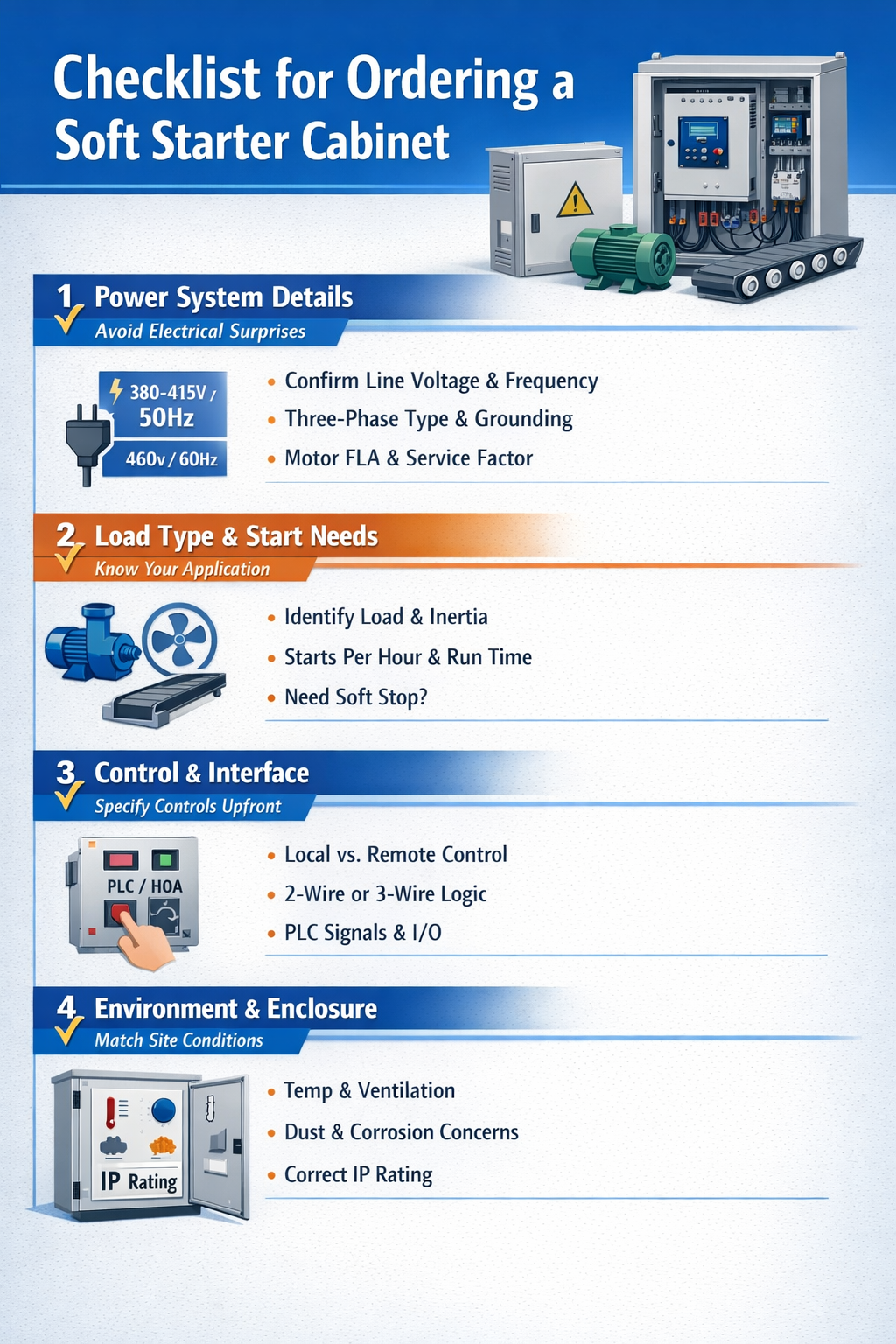
1) Power system details (the common "gotcha")
Confirm:
- Line voltage and frequency (e.g., 380–415 V / 50 Hz, 460 V / 60 Hz)
- Three-phase supply type and grounding approach (project standard)
- Motor nameplate current (FLA) and service factor
These decide core sizing and protection settings.
2) Load type and starting expectations
A pump, fan, and conveyor do not start the same way. Clarify:
- Load category and inertia
- Starts per hour and typical run time
- Whether soft stop is needed (often helpful on pumps to reduce surging)
3) Control and interface requirements
Buyers should specify upfront:
- Local/remote operation and HOA switch needs
- 2-wire vs 3-wire control logic
- PLC signals (dry contacts, analog, or communication if required)
4) Cabinet environment and enclosure
Define installation conditions:
- Ambient temperature, dust, ventilation, and mounting location
- IP rating expectations and corrosion considerations
- Why customization matters for projects and distribution
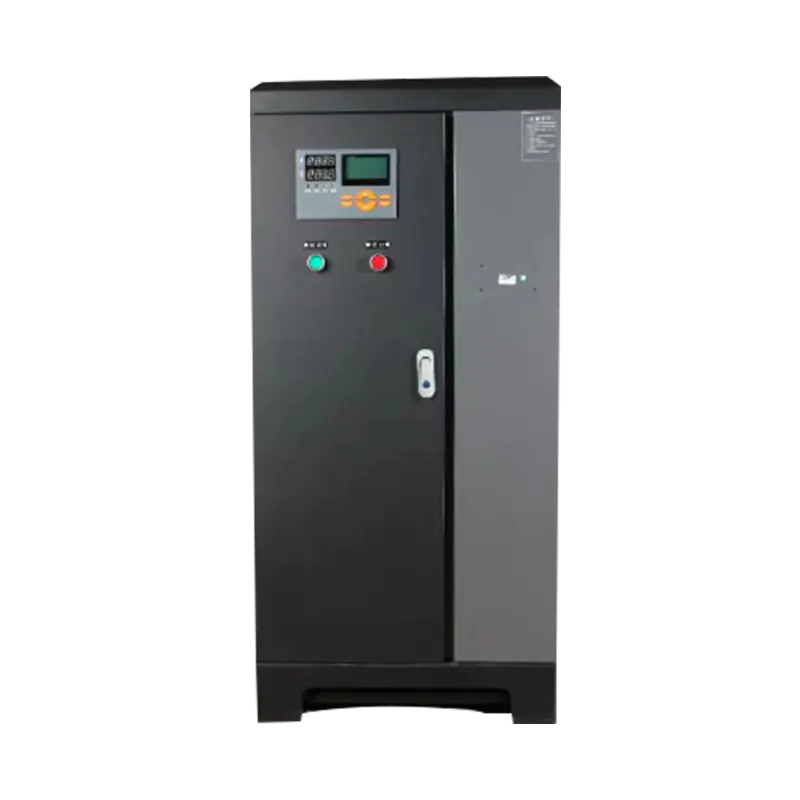
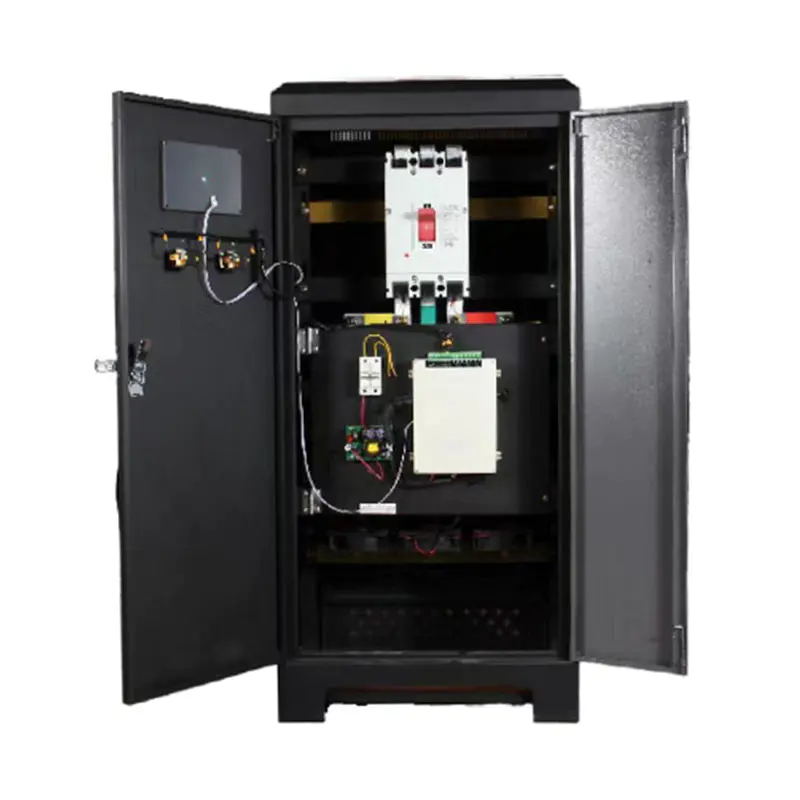
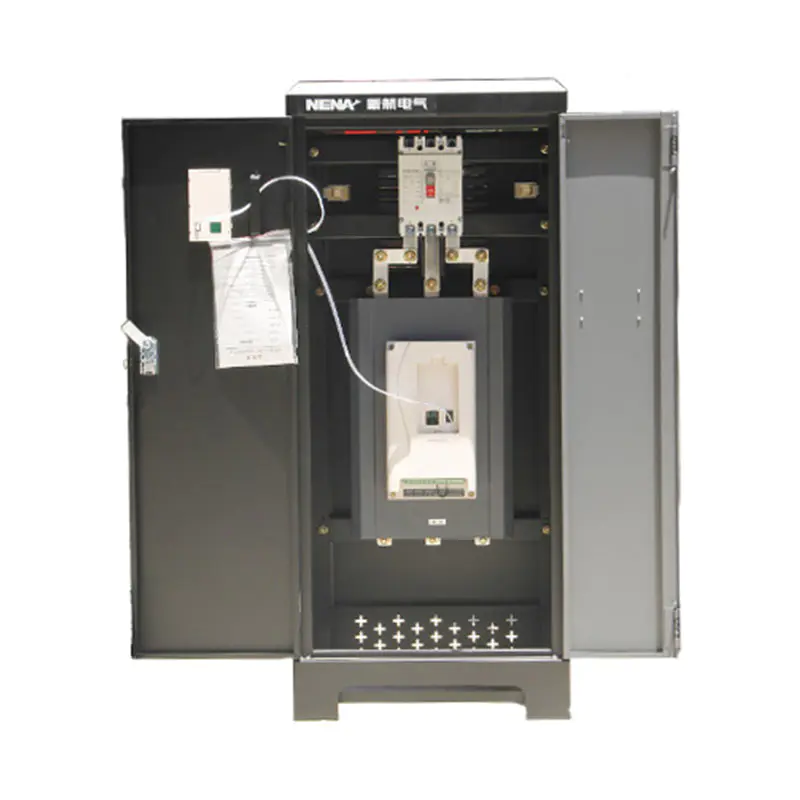
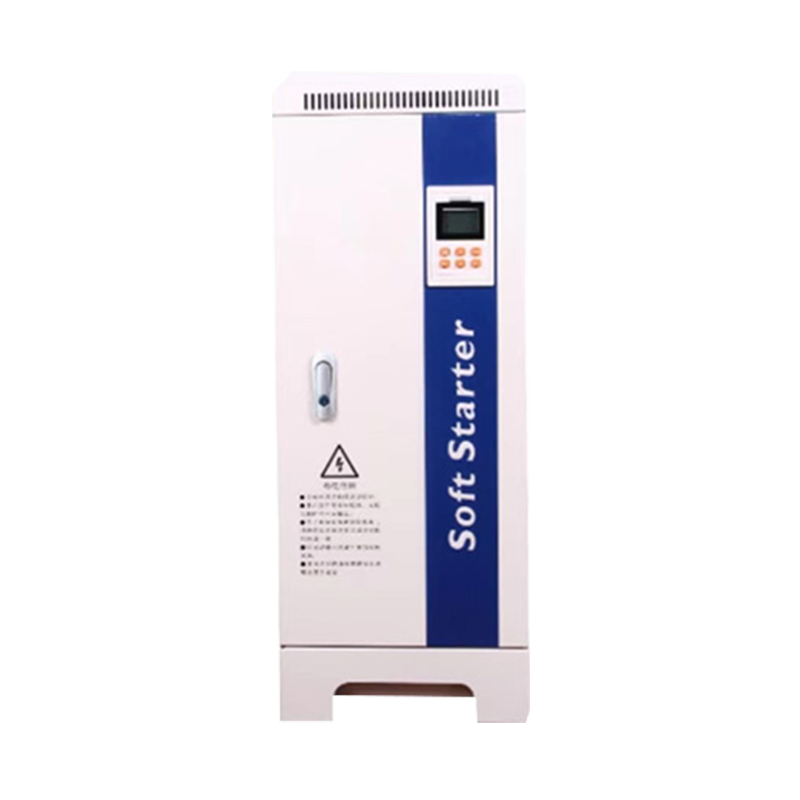
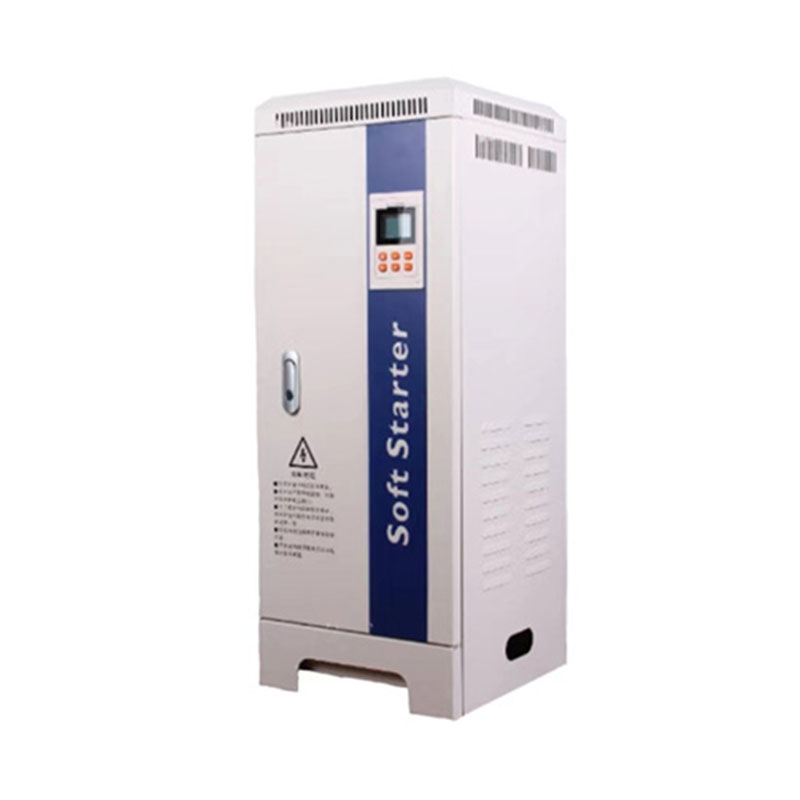
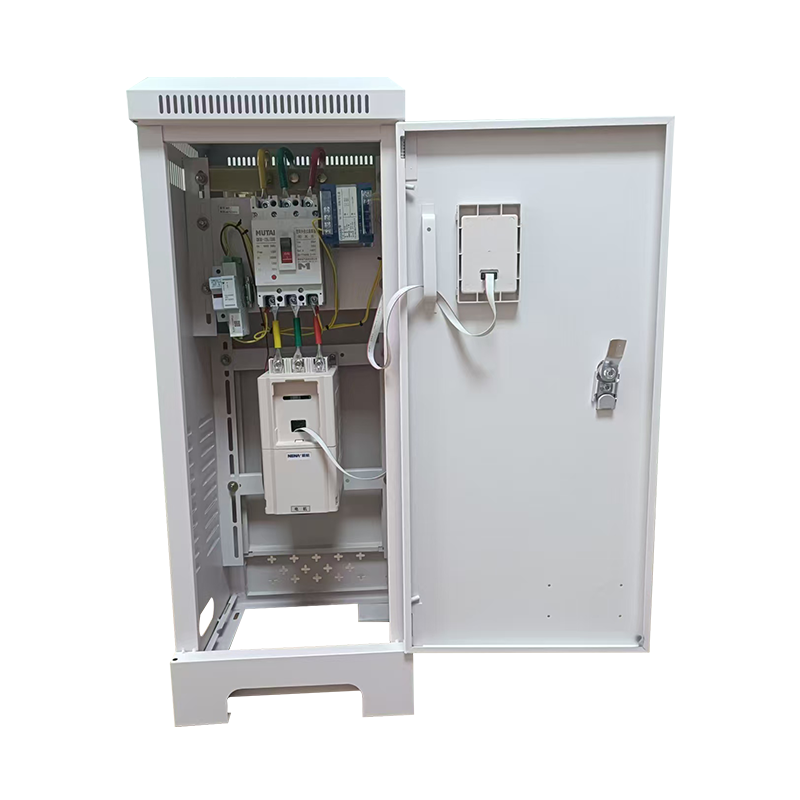
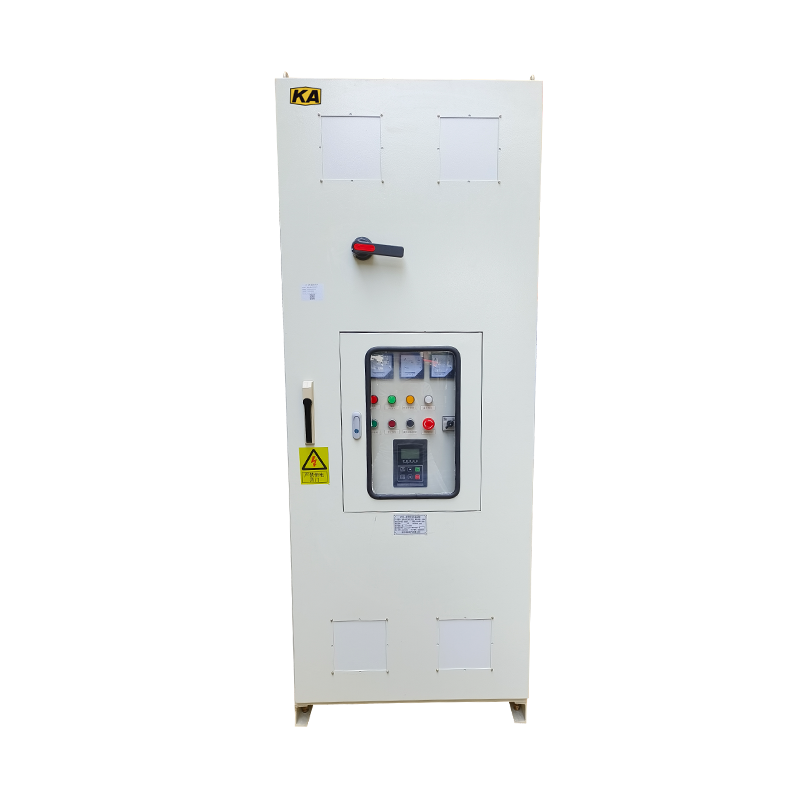
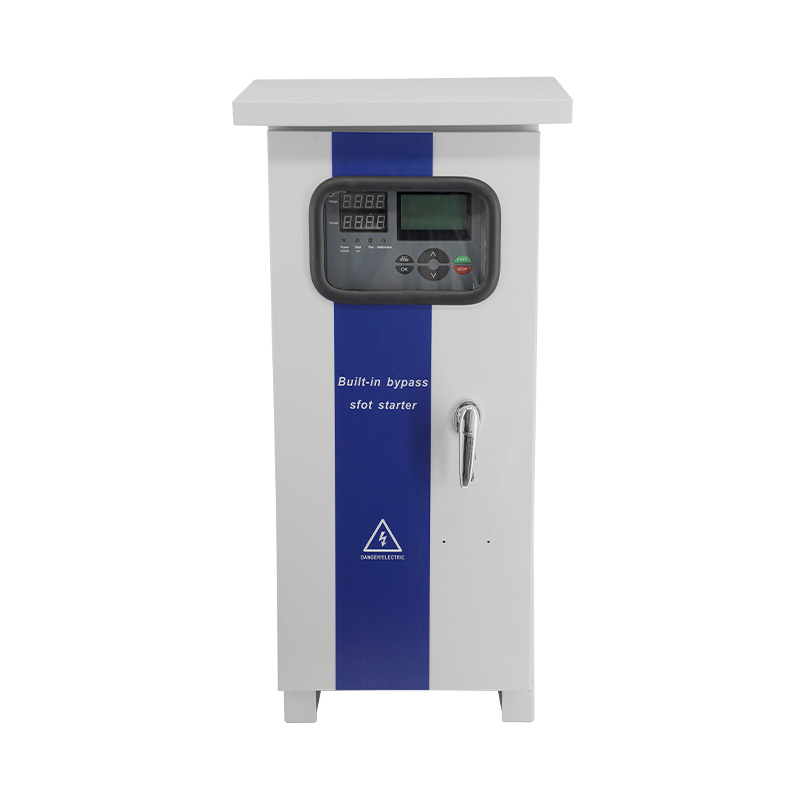
For multi-site projects and export markets, consistent configuration reduces rework. Practical options like product voltage, shell color, brand label, and outer packaging make a soft starter cabinet easier to standardize across jobs and easier to support in your channel.
A well-specified soft starter cabinet is one of the fastest ways to improve motor starting and system protection in fixed-speed applications—without adding unnecessary complexity. Choosing a factory that builds motor control cabinets with clear documentation and stable production processes helps ensure your panels are consistent from the first order to the hundredth.



 English
 中文简体
中文简体 عربى
عربى









 浙公网安备33038202003754号